Key Takeaways
- Regular cleaning and maintenance prevent excessive wear and early failures.
- Manufacturer usage guidelines exist to optimize performance and durability.
- Promptly addressing small issues can stop major breakdowns and expenses.
Table of Contents
- Introduction
- Regular Cleaning
- Proper Usage
- Addressing Minor Issues Promptly
- Energy Efficiency and Maintenance
- Safe Usage Practices
- Scheduling Regular Professional Inspections
Keeping home appliances running smoothly is not only a matter of convenience, but it’s essential for maximizing your investment and minimizing waste. Routine maintenance helps appliances operate at peak performance, lowers utility costs, and significantly extends their useful life. Taking proactive steps now can prevent unexpected breakdowns and the inconvenience of emergency replacements. Integrating maintenance habits in your household also supports long-term sustainability and reliability, whether you’re caring for high-efficiency machines or seeking replacement parts, like those available at Samsung Parts, you’ll appreciate the difference these strategies make.
Recommended usage and care instructions for appliances like refrigerators and washing machines help maintain their safety and efficiency. Regular small actions can prevent problems and reduce costly repairs. Understanding each appliance’s needs and performing simple maintenance can significantly extend its lifespan and save money over time.
Regular Cleaning
Appliances like refrigerators, ovens, and dishwashers accumulate grime, dust, and grease that force them to work harder over time. For example, cleaning your refrigerator’s coils every six months helps remove dust, letting the appliance release heat more efficiently and use less energy. When buildup is left unchecked, it can cause excess strain on motors and compressors, ultimately reducing the lifespan of the appliance. Consistent cleaning schedules, from wiping countertops to clearing lint from dryer vents, are fundamental for any reliable appliance maintenance plan.
Proper Usage
Read and follow the manufacturer’s manuals and specifications for each household appliance. Overloading washers, for instance, can lead to worn-out drivetrains and poorly cleaned laundry. Similarly, running a dishwasher when it’s jam-packed strains components and leaves residue behind. Sticking to recommended load sizes and cycle types is the easiest way to ensure each device lasts as long as intended. Additionally, avoid using appliances for tasks beyond their design or running multiple heavy-duty cycles without pause, as improper use is a leading cause of breakdowns.
Addressing Minor Issues Promptly
Don’t ignore signs like odd noises, leaks, or doors that don’t seal properly. Small, manageable problems such as a worn refrigerator gasket, loose washing machine hose, or flickering oven light can typically be fixed quickly and inexpensively if addressed early. For example, a rubber gasket that isn’t sealing can allow cool air to escape, causing the refrigerator to work overtime and use more energy. Simple DIY troubleshooting or consulting a technician as soon as irregularities appear can prevent more severe, more expensive issues in the future.
Energy Efficiency and Maintenance
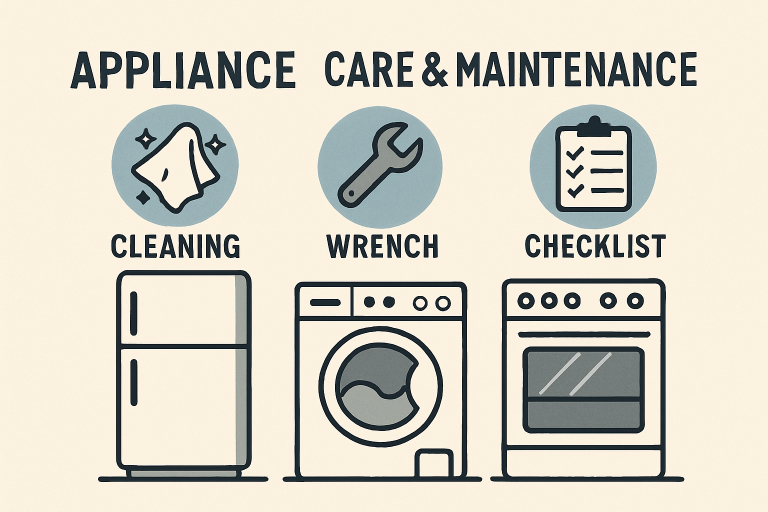
An energy-efficient appliance is also a well-maintained appliance. Cleaning refrigerator coils, defrosting the freezer compartment, and regularly replacing filters in air conditioners and water dispensers reduces energy consumption by keeping appliances in ideal working order. Higher efficiency not only extends lifespan but also lowers your monthly bills. The U.S. Department of Energy recommends regular servicing and maintenance to ensure appliances don’t consume more energy than necessary.
Safe Usage Practices
Careless operation can not only shorten the longevity of your appliances but also put household members at risk. Avoid overloading, bypassing safety features, or using appliances with damaged plugs or wiring. Always disconnect devices before cleaning or performing any maintenance. Following safety and operational guidelines, as advised by manufacturers, is non-negotiable for both longevity and household safety.
Scheduling Regular Professional Inspections
Even the most diligent homeowner will occasionally miss subtle signs of wear or impending issues. Qualified appliance technicians are trained to spot inefficiencies, clean internal mechanisms, and ensure every component is operating properly. Annual or semi-annual inspections, especially for major appliances, can catch potential troubles early and give you peace of mind that everything is running as it should. Routine professional servicing remains one of the most effective ways to avoid costly repairs and keep all your machines in excellent condition.
Embracing regular maintenance habits and safe operating practices ensures your appliances deliver reliable performance and cost savings for years. Taking a proactive approach today means fewer interruptions, longer-lasting equipment, and a more efficient, sustainable household tomorrow.
