Table of Contents
- Proper Sizing of AC Units
- Strategic Placement of Indoor and Outdoor Units
- Ensuring Ductwork Integrity
- Correct Refrigerant Charging
- Verifying Airflow
- Incorporating Advanced Technologies
- Regular Maintenance
- Conclusion
Installing a new air conditioning system presents a unique opportunity to maximize comfort while minimizing long-term energy costs. Ensuring energy efficiency starts with the very first steps of the installation process. By following proven strategies, homeowners can enjoy dependable cooling and lower energy bills throughout the system’s lifespan. For those seeking expert help, AC installation in Phoenix, AZ, offers specialized solutions tailored to local climate needs.
Efficient AC installation is not about choosing the most expensive system, but about aligning system design and setup with your home’s unique requirements. Every aspect, from sizing and unit placement to airflow verification, plays a vital role in driving energy savings and maintaining system health. A careful approach leads to reduced strain on components, fewer breakdowns, and consistent comfort all summer long.
New AC installations represent a perfect chance to implement improvements that deliver both immediate and future returns. Making decisions based on your home’s insulation, layout, and regional weather patterns greatly enhances system performance. Paying attention to these details ensures that every dollar spent on cooling goes further while causing less environmental impact.
Becoming familiar with installation best practices also empowers homeowners to identify potential pitfalls, contribute meaningfully during consultations, and plan for the longevity of their system. With advances in technology and improved guidance, optimizing energy efficiency during AC installation is more achievable than ever. For more information on energy-efficient home upgrades, consult resources from the U.S. Department of Energy.
Proper Sizing of AC Units
The cornerstone of efficient AC performance is correct sizing. Oversized systems cycle on and off frequently, which may cause the space to become clammy due to inadequate dehumidification. On the other hand, units that are too small must run longer to achieve a comfortable temperature, dramatically increasing wear and operational expenses. Professional load calculations take insulation, window orientation, floor area, and local climate into account. The result is a system that cools efficiently, achieves even airflow, and operates at optimal efficiency levels without being overworked.
Strategic Placement of Indoor and Outdoor Units
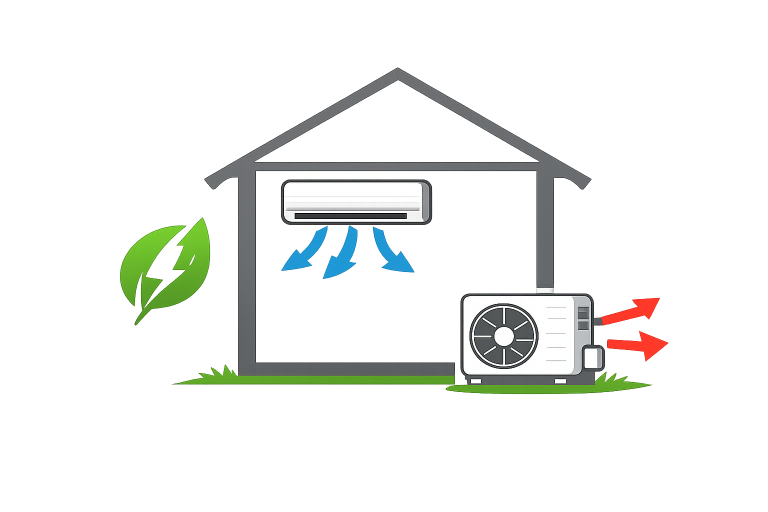
Where you position AC components matters almost as much as their size. Outdoor units should be placed in spots protected from direct sunlight yet with ample space for unimpeded airflow. Avoid crowding the unit with shrubs, walls, or fencing. Similarly, indoor units should be centrally located whenever possible for the most balanced air distribution. Limiting the length and number of bends in duct runs helps minimize energy losses that can occur with longer, more complex air paths.
Ensuring Ductwork Integrity
Leaky or poorly insulated ductwork is a common cause of energy loss in many homes. Even the most advanced air conditioning unit cannot perform efficiently if cooled air is escaping before it reaches living spaces. Ducts should be carefully sealed and, where appropriate, insulated to prevent energy waste. Annual inspections ensure that damage, leaks, or blockages are identified and resolved promptly, improving air quality and reducing utility bills. For more on how ductwork impacts AC efficiency, see insights from Consumer Reports.
Correct Refrigerant Charging
AC systems rely on precise refrigerant levels for optimal performance. Both overcharging and undercharging compromise efficiency and can even damage critical components such as the compressor. Accurate refrigerant charging should be performed by technicians who will measure and adjust to the manufacturer’s specifications. Regular checks are recommended during service visits, as correct refrigerant levels are vital for keeping energy costs down and system operation reliable.
Verifying Airflow
Airflow is a fundamental aspect of HVAC efficiency. Any obstruction, whether from dirty filters, closed vents, or furniture, forces your system to consume more power while delivering less comfort. Filters should be replaced or cleaned monthly during heavy use, and vents should remain clear. Sometimes, small duct adjustments or upgrades are warranted to address persistent hot or cold spots in your home. Maintaining consistent airflow not only boosts efficiency but also improves indoor air quality.
Incorporating Advanced Technologies
Today’s air conditioning systems offer innovations that make energy savings easier to achieve. Inverter-driven compressors adjust their speed to meet demand, running more quietly and efficiently than traditional fixed-speed models. Smart thermostats let you control your system remotely and can automatically adjust temperatures based on your routine, saving energy without sacrificing comfort. Systems with high Seasonal Energy Efficiency Ratio (SEER) ratings are especially effective at reducing energy consumption in hot climates.
Regular Maintenance
Ongoing care is essential to safeguard energy efficiency gains for years to come. Scheduling professional maintenance, ideally before summer peaks, ensures that coils are clean, refrigerant levels are correct, and all components are working as designed. Maintenance prevents small issues from becoming costly breakdowns and keeps your system running as efficiently as possible. Proactive homeowners who participate in annual tune-ups typically enjoy more consistent cooling and lower long-term expenses.
Conclusion
By applying energy-efficient best practices during installation and maintenance, homeowners can enjoy reduced energy costs and greater comfort. Proper sizing, strategic unit placement, secure ductwork, correct refrigerant charges, unobstructed airflow, integration of advanced technology, and regular maintenance are each key factors that contribute to optimal AC performance and efficiency. With these guidelines, every installation becomes a step toward sustainable comfort and reliable cooling.
