Table of Contents
- Understanding Dental Implants
- Benefits of Dental Implants
- The Implant Procedure
- Candidacy for Dental Implants
- Success Rates and Longevity
- Cost Considerations
- Real-Life Transformations
- Conclusion
Dental implants are among the most significant advancements in modern dentistry, providing a permanent, transformative solution for people with missing teeth. Not only do they restore your smile, but they also play a major role in improving oral function and overall confidence. Individuals seeking a comprehensive solution might consider full mouth dental implants, which can provide extensive restorations and life-changing results.
The impact of dental implants extends well beyond aesthetics. Tooth loss can lead to changes in speech, diminished chewing ability, and even changes in the shape of the face. Dental implants address all these concerns by acting as artificial roots that support replacement teeth, closely replicating the feel and function of natural teeth.
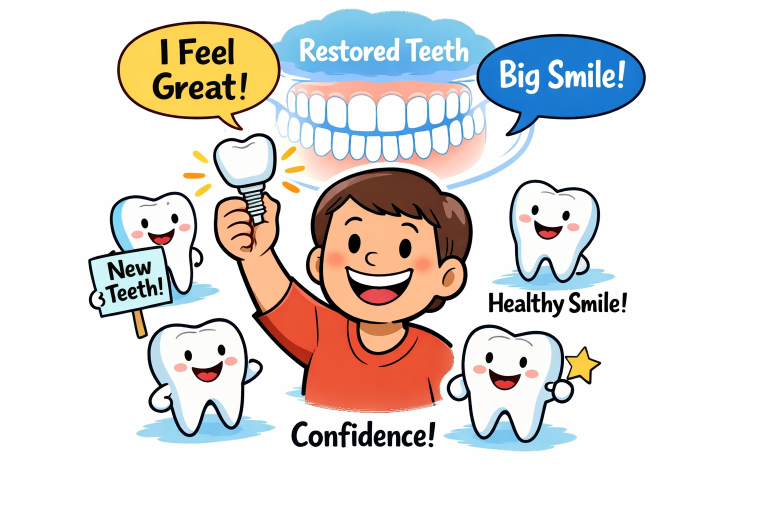
Beyond functional benefits, dental implants have helped countless people regain their self-esteem and participate more fully in social, professional, and personal settings. This transformative effect is not just about appearance – it’s about restoring quality of life and health.
Whether you’re missing a single tooth or need a more extensive restoration, dental implant procedures are tailored to individual needs and provide a long-lasting alternative to traditional dentures or bridges. According to the Mayo Clinic, dental implants are widely regarded as one of the safest and most predictable procedures in restorative dentistry.
Understanding Dental Implants
Dental implants are small posts, typically made from titanium, that are surgically placed into the jawbone. These posts act as sturdy artificial roots for crowns, bridges, or dentures, which are custom-made to match the rest of your teeth. Unlike traditional options that rely on neighboring teeth or rest unsecured on the gum, implants integrate directly with bone through a process called osseointegration. This creates a secure and natural-feeling foundation.
Benefits of Dental Implants
- Natural Appearance: Implants are designed to match your natural teeth in color and shape, making them virtually undetectable.
- Enhanced Oral Function: Dental implants restore the biting force, allowing individuals to chew, talk, and laugh without worry or discomfort.
- Bone Preservation: The stimulation provided by implants helps preserve jawbone density and prevent the sunken appearance that can develop after tooth loss.
- Durability and Longevity: With good oral hygiene and regular dental visits, implants can last a lifetime, unlike traditional bridges or dentures that may need replacing.
The Implant Procedure
Receiving a dental implant is a multi-step process:
- Consultation and Evaluation: The dentist reviews your oral and overall health, takes X-rays or 3D images, and determines bone quality to plan the procedure.
- Surgical Placement: During this stage, the titanium post is placed into the jawbone while you are under local anesthesia.
- Healing and Osseointegration: Over the next few months, the implant integrates with your bone in a natural process that forms a stable base for replacement teeth.
- Attachment of Abutment and Crown: Once healing is complete, a small connector and a custom-made crown or bridge are affixed to the implant, completing the new tooth.
For those interested in additional information about the implant process, the Healthline guide on endosteal implants offers further insights into the various stages and what to expect.
Candidacy for Dental Implants
Not everyone automatically qualifies for dental implants. Ideal candidates should have healthy gums, sufficient jawbone to support the implant, and be free from conditions such as uncontrolled diabetes or certain autoimmune disorders that may complicate healing. Individuals who lack adequate bone may still be eligible following bone grafting procedures. Consulting a dental professional can help determine the best course of action based on unique circumstances.
Success Rates and Longevity
Dental implants are well known for their reliability, with success rates that typically exceed 95 percent. The longevity of implants depends on factors such as the patient’s oral hygiene practices, lifestyle choices, including smoking, and the quality of dental care received. Annual check-ups and diligent home care are essential for ensuring the long-term success of dental implants.
Cost Considerations
The upfront cost of dental implants may seem higher than other restorative options, but their durability and ability to preserve the jawbone make them a sound investment in the long run. Prices vary depending on location, the number of implants needed, necessary preparatory procedures, and the type of restoration chosen. Many dental practices offer financing solutions or payment plans to make implants more accessible.
Real-Life Transformations
The transformative power of dental implants is evident in many patient stories. Some individuals who had struggled with eating, speech, or confidence due to missing teeth have found renewed happiness and social engagement after treatment. One example cited by the Healthline article on dental implant problems highlights how implants allowed a patient to smile confidently in photos for the first time in years, showing that these procedures can make a tangible difference in everyday life.
Conclusion
Dental implants represent a cutting-edge and reliable method for replacing missing teeth, substantially improving both appearance and oral function. They have the potential to provide lasting results and boost self-esteem. A consultation with an experienced dental professional is the essential first step to discovering how implants might transform your own smile and overall well-being.
