Key Takeaways
- Dental implants closely mimic the appearance and function of natural teeth, offering a stable, long-term solution that can restore both confidence and comfort.
- Surgical risks, recovery time, and higher upfront costs are important considerations compared to other tooth replacement options.
- Candidacy often depends on your overall health, the quality and amount of jawbone available, and your willingness to maintain excellent oral hygiene habits both before and after the procedure.
- Alternatives such as bridges and dentures may be better suited for some individuals, especially in cases of financial constraints or certain medical conditions.
Tooth loss isn’t just a cosmetic issue—it can significantly impact your daily life, confidence, and long-term oral health. Whether the gap is due to injury, decay, or another reason, choosing the right replacement affects how you eat, speak, and feel about your appearance. Among the most advanced solutions available today are dental implants, which offer a permanent, natural-looking option for replacing missing teeth. For individuals considering dental implants Oklahoma City, OK, it’s essential to weigh your options carefully. Understanding the advantages, drawbacks, and suitability of implants can help you decide if this approach aligns with your personal goals, lifestyle, and dental needs.
Dental implants represent an investment not only in your smile but also in the function and health of your mouth. While they can offer dramatic improvements, the decision is nuanced—factors such as jawbone health, medical history, cost, and personal expectations must be thoughtfully assessed. Learning about the process, risks, and alternatives provides a foundation for making a confident and informed choice on your dental health journey.
Understanding Dental Implants
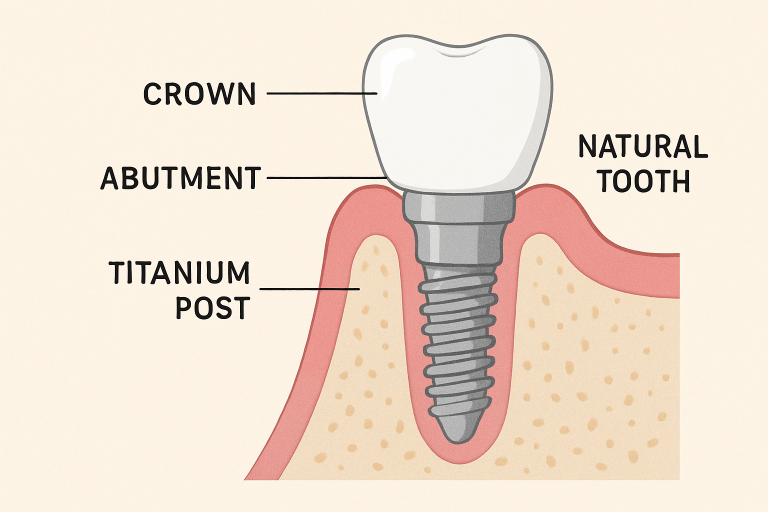
Dental implants are sophisticated restorative devices consisting of three main components: a titanium post, an abutment, and a custom prosthetic crown, bridge, or denture. The titanium post is surgically placed into the jawbone, effectively serving as an artificial tooth root. Over several months, the implant post undergoes osseointegration—a biological process where bone cells grow tightly around the titanium, anchoring it securely in place. This stable foundation lets the attached restoration look and function like a natural tooth so that you can chew, speak, and smile confidently. For more detailed guidance and safety information about dental implants, the FDA provides an informative overview.
The implant process is meticulously planned using digital imaging tools, such as dental X-rays and 3D CT scans, which allow your dentist to evaluate bone quality, identify vital anatomical structures, and determine optimal placement. Your medical and dental history will also be thoroughly reviewed to minimize surgical risks. Once healing is complete and the implant has integrated with the bone, a connector piece called an abutment is affixed, and the visible dental prosthesis is attached on top. Because implants are anchored so securely, they can also help preserve jawbone density, preventing the atrophy that commonly follows tooth loss. Today, dental implants are considered one of the most reliable, predictable, and long-lasting solutions in restorative dentistry.
Benefits of Dental Implants
Dental implants provide several compelling advantages for those seeking to restore their smile after tooth loss. Some of the most notable benefits include:
- Durability and Longevity: Dental implants are designed to withstand everyday biting forces for decades, and in many cases, patients enjoy their implants for a lifetime with routine dental care. This remarkable durability gives them a significant edge over conventional bridges or removable dentures, which may require replacement every 5–10 years.
- Natural Look and Feel: Implants are custom-crafted to harmonize with your unique smile, and their secure anchoring enables you to enjoy biting and chewing experiences remarkably similar to those of natural teeth. According to Healthline, this natural integration not only enhances aesthetic appeal but also boosts confidence and everyday comfort. The confidence to eat, laugh, and speak without concern about shifting or slipping significantly enhances overall quality of life and self-esteem.
- Bone Health: A unique benefit of implants is their ability to stimulate and preserve the jawbone. Without a tooth root in place, bone resorption can occur, eventually causing neighboring teeth to loosen and facial structures to sag. Dental implants help stop or slow this process, supporting both your oral health and your appearance over time.
- Preservation of Adjacent Teeth: Traditional bridges require modifying healthy neighboring teeth for support, potentially weakening them. In contrast, implants function independently and do not adversely affect adjacent teeth, preserving more of your natural tooth structure.
Potential Risks and Drawbacks
While dental implants offer excellent long-term results, they are not free of risk or limitations. Some important considerations include:
- Surgical Risks: As with any surgical procedure, there is a risk of infection at the implant site, nerve injury that could cause pain or numbness, and complications with the sinus cavity for implants in the upper jaw. With a skilled dental team and proper preoperative planning, these risks are minimized.
- Lengthy Healing: The complete process, including placement, healing, and restoration, may span several months. During this time, patients may need to follow dietary restrictions and make temporary adjustments to their oral care routine. Patience and follow-up are key to successful outcomes.
- Expense: Dental implants typically involve a higher initial investment than other options. The comprehensive nature of the treatment—covering surgery, custom restoration, and follow-up care—often means that not all insurance plans will offset the cost. However, many patients find the durability and confidence implants provide to be worth the expense.
- Not Universally Suitable: Certain health issues can impact the likelihood of implant success. For example, uncontrolled diabetes, ongoing cancer treatments, immune disorders, heavy smoking, or significant jawbone loss can increase the risk of implant complications or failure. Some patients may need bone grafting or other preparatory procedures before considering implants.
Assessing Your Candidacy
The right candidate for dental implants is generally someone in good overall health and with sufficient jawbone volume to support the implant. Several critical factors play a role in your suitability for this procedure:
- General Health: Healthy individuals naturally heal faster and experience lower complication rates. Chronic conditions, such as diabetes or autoimmune issues, should be managed prior to surgery.
- Jawbone Volume: For implants to succeed, adequate bone is required. If bone volume is lacking, additional procedures such as bone grafting, sinus lifts, or ridge expansion may be suggested to create a stable foundation.
- Oral Hygiene: Maintaining a rigorous oral hygiene routine is crucial before and after receiving implants. Neglecting care can lead to inflammation around the implant, known as peri-implantitis, which may compromise the stability and lifespan of your new tooth.
Before beginning your implant journey, a consultation with a dental professional will include diagnostic imaging, health screenings, and a discussion about your expectations. They will also address lifestyle factors such as smoking and alcohol use. Your dentist may recommend preventive care or preparatory treatments to improve your outcome.
Alternative Tooth Replacement Options
If dental implants are not the best fit for your needs, alternative tooth-replacement options can effectively restore function and aesthetics. These include:
- Dental Bridges: Bridges can replace one or more missing teeth using adjacent healthy teeth as supports. While often quicker and less expensive than implants, preparation of neighboring teeth can cause irreversible changes and additional stress for those teeth.
- Dentures: Removable full or partial dentures restore multiple missing teeth at once and remain a cost-effective, non-invasive option. Dentures frequently need adjustments as gums and bone change over time, and, compared to implants, they may affect speech and chewing ability.
Each option has its own pros and cons regarding comfort, longevity, maintenance, and cost, so it’s important to discuss your specific needs with your dentist and consider what works best for your lifestyle and oral health.
Making an Informed Decision
Choosing to invest in your smile with dental implants is a decision that can offer long-term satisfaction and well-being—when the procedure aligns with your medical profile, preferences, and financial situation. Schedule a consultation with a trusted restorative dentist to get personalized advice, learn about available technological options, ask about various implant systems, and inquire about payment plans or insurance options if cost is a concern. With a clear grasp of your options and guidance from experienced professionals, you can confidently choose between dental implants or other restorative methods, knowing your decision is based on a solid foundation of knowledge and self-care. Through diligent research and collaboration with dental care providers, it is entirely possible to regain both your smile and your confidence in your oral health through the treatment option that best suits you. Remember: the right solution is the one that supports your well-being, happiness, and future confidence.
