Key Takeaways
- Rideshare accidents involve complex liability issues due to multi-tiered insurance coverage and driver classification.
- Understanding the driver’s app status and the applicable insurance period is essential for determining coverage and pursuing claims.
- Legislative changes, such as mandatory uninsured/underinsured motorist coverage, affect both victims’ protections and industry costs.
- Safety concerns extend beyond collisions, highlighting the importance of robust legal recourse for passengers.
- Consulting a knowledgeable personal injury attorney experienced in rideshare cases can significantly improve outcomes and ensure fair compensation.
Introduction
Rideshare services like Uber and Lyft have transformed urban mobility, making city travel more efficient for millions of people. With the popularity of these platforms, new legal challenges have emerged, especially when accidents occur. Navigating rideshare accident litigation presents a host of hurdles, from deciphering insurance coverage to determining liability. For anyone involved in a rideshare incident, consulting a qualified personal injury law firm can make a significant difference in understanding and pursuing rightful claims.
The ever-evolving legal landscape surrounding rideshare accident cases pushes victims and legal professionals to stay up to date on shifting regulations, coverage nuances, and the potential for both criminal and civil repercussions. As rideshare adoption has accelerated, so too has the array of legislative and insurance complexities facing injured parties and defendants. In this current environment, seasoned legal guidance is more essential than ever to achieve fair outcomes in these disputes.
Understanding Rideshare Insurance Policies
Unlike standard auto insurance, rideshare companies utilize a multi-tiered insurance model. The status of the driver determines the level of insurance protection in a rideshare accident at the time of the incident:
- Period 1: When the driver is logged into the rideshare app but has not yet accepted a ride request, only limited liability coverage (often the minimum required by state law) applies.
- Period 2: After accepting a ride request but before picking up the passenger, enhanced liability coverage is in effect, providing higher financial protection in the event of an accident.
- Period 3: When a passenger is in the vehicle, the most comprehensive insurance applies, including liability, injury, and uninsured/underinsured motorist coverage up to one million dollars or more.
The difference between these periods often causes tension between a driver’s personal auto insurer and the rideshare company’s policy, complicating the claims process for accident victims. According to The Washington Post, this confusion can delay compensation and increase the stress experienced by those seeking damages.
Legislative Developments Impacting Rideshare Litigation
Lawmakers are working to keep pace with innovations in the rideshare industry, resulting in new insurance mandates and liability rules. In California, Assembly Bill 2293 made it mandatory for rideshare companies to provide at least $1 million in uninsured and underinsured motorist coverage. Proponents believe this protects the public and promotes accountability, but others warn that such high requirements may fuel higher fares, litigation abuse, and unintended costs for everyday riders. A Washington Post article points out that increased regulatory burdens could have ripple effects across the entire rideshare ecosystem.
Determining Liability in Rideshare Accidents
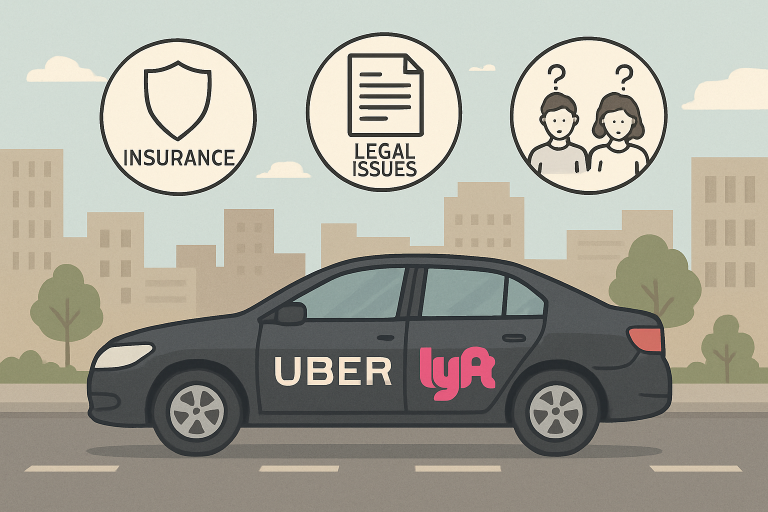
Establishing who is responsible in a rideshare accident is seldom straightforward. Factors influencing liability include the driver’s app status, their classification as an independent contractor rather than an employee, and whether other vehicles, pedestrians, or cyclists were involved. Rideshare companies often argue that because drivers are not employees, their corporate liability should be limited, further complicating lawsuits. Each case demands careful analysis of app data, communication logs, and eyewitness accounts, making the litigation process both lengthy and resource-intensive.
Impact of Litigation on Rideshare Services
The mounting number of lawsuits has direct financial consequences for rideshare companies, drivers, and, ultimately, consumers. As litigation costs increase, so do insurance premiums, which are frequently passed on in the form of higher fares. According to a report by the American Tort Reform Association, escalating legal expenses in the rideshare sector have contributed to fare hikes and made rides less affordable. A recent Axios analysis details the ripple effects on riders from rising legal and insurance costs.
Safety Concerns and Legal Recourse
In addition to collision-related injuries, passenger safety remains a serious concern for rideshare platforms. Reports of assaults and other incidents have prompted lawsuits that allege systemic failures to protect passengers. Victims often face the daunting task of navigating both criminal processes and civil lawsuits. This dual-track approach makes legal recourse challenging but underscores the need for robust safety protocols and transparent investigation processes within rideshare companies.
Strategies for Navigating Rideshare Accident Claims
In the aftermath of a rideshare accident, taking prompt and informed action is essential. Accident victims should document every aspect of the incident, seek prompt medical attention, and preserve all records related to their ride and injuries. Consulting with attorneys experienced in rideshare litigation can make a significant difference, as specialized expertise is often necessary to interpret insurance coverage details and pursue claims successfully. Understanding local laws and rideshare policies is crucial to overcoming obstacles and achieving fair compensation.
Final Thoughts
The landscape for rideshare accident cases is in constant flux, shaped by new laws, evolving insurance products, and escalating safety concerns. Both riders and drivers must remain vigilant and educated to protect their interests in these complex cases. As the industry grows, so does the importance of seeking knowledgeable legal representation to navigate the intricate legal and insurance challenges inherent to rideshare accident litigation.
