Table of Contents
- Understanding Qualified Education Expenses
- Timing Your Withdrawals
- Paying Student Loans with 529 Funds
- Rolling Over Unused Funds into a Roth IRA
- Transferring Beneficiaries
- Avoiding Common Mistakes
- Staying Informed About Legislative Changes
Education savings plans have become an integral part of many families’ financial strategy for preparing for higher education costs. From the popular 529 plans to Registered Education Savings Plans (RESPs), these accounts offer valuable tax advantages, but knowing how and when to access your funds is just as crucial as saving in the first place. If you’re nearing the time when withdrawals will begin, understanding the most effective approaches is essential for maintaining your savings and avoiding costly tax mistakes. For Canadian users seeking information on RESP withdrawals, visit this guide on RESP withdrawal.
The rules governing education savings plans can be complex, and maximizing your benefits requires an innovative approach. The timing of withdrawals, the types of expenses covered, and new legislative options, such as loan repayment and retirement rollovers, all affect how much your savings can ultimately do for you. By understanding these factors, you can preserve more of your hard-earned savings and ensure every dollar goes further toward supporting educational and life goals.
These plans are valuable not just for tuition, but for a wide array of qualified educational expenses and even for beneficiaries beyond the initial student. Careful planning can help families adapt to changing educational trajectories and new financial priorities while remaining compliant with tax regulations and maximizing available benefits. For the latest U.S. tax specifics, refer to the IRS’s overview of 529 plans at IRS 529 Q&A.
Understanding Qualified Education Expenses
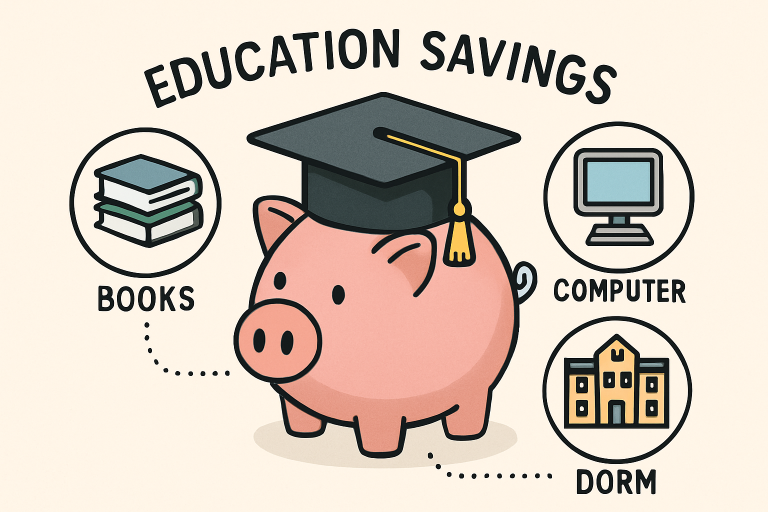
Smart withdrawals begin with knowing what expenses are considered “qualified” by tax authorities for your plan. For U.S. 529 plans and Canadian RESPs, this typically includes tuition, mandatory fees, books, and supplies required for enrollment. If the student is enrolled at least half-time, room and board also qualify, whether the student is living on campus or in off-campus housing. Expenses for computers, software, internet access, and specific special needs services are also eligible under current rules.
Using your education savings for non-qualified expenses can result in federal and state income taxes on earnings, plus penalties. Families should keep receipts for all relevant costs and maintain meticulous records to justify their withdrawals if the IRS or CRA requests proof.
Timing Your Withdrawals
Withdrawals must be timed strategically to avoid tax headaches and maximize benefits. The IRS requires that the withdrawal from your education savings plan match the year in which the qualified educational expense is paid. If you pay tuition in December, be sure to make the corresponding withdrawal within that same calendar year. Taking money out too early or too late can lead the IRS to classify part of your withdrawal as a non-qualified distribution, triggering taxes and penalties on earnings.
A similar principle applies to Canadian RESPs, where Educational Assistance Payments (EAPs) are taxed in the student’s hands, often resulting in little or no tax due if withdrawals are managed to keep income in a low tax bracket. Consult your plan’s details and consider working with a tax professional to ensure the withdrawal and expense dates align correctly.
Paying Student Loans with 529 Funds
One of the most notable recent changes for U.S.-based savers is the ability to use 529 plan funds to pay down student loans, up to $10,000 per beneficiary and each of their siblings. This option can be particularly advantageous for families with leftover funds after educational expenses or for students who supplemented their financial aid with student loans. For practical tips and a breakdown of recent legislative updates, see this guide from Kiplinger on 529 plan FAQs.
This flexibility allows families to address student debt after graduation and helps ensure that money saved for education still serves its intended purpose. Families with multiple children can further benefit by applying the $10,000 limit to each qualified sibling, making it easier to manage educational debt as a shared family goal.
Rolling Over Unused Funds into a Roth IRA
For those who do not use all their education savings, U.S. law now allows a lifetime rollover of up to $35,000 from a 529 plan to a Roth IRA, provided the account has been open for at least 15 years and meets the contribution limits for the tax year. This strategy helps your money keep growing tax-free, transitioning education-focused savings into long-term retirement security for a young beneficiary. For more details and eligibility requirements, review Kiplinger’s discussion of 529 rollovers.
This new option can be a relief for parents concerned about “over-saving,” effectively turning an educational investment into a head start on retirement savings if the funds aren’t needed for school.
Transferring Beneficiaries
Education and career paths can shift, but 529 and RESP plans offer flexibility if the original beneficiary doesn’t use all the funds. You may transfer the account’s beneficiary to another qualifying family member, including siblings, stepchildren, spouses, cousins, or even yourself, without triggering taxes or penalties. This strategy allows education savings to remain in the family, no matter how individual circumstances change.
Before making a transfer, check plan-specific rules and consider tax implications, as RESPs in Canada have additional contribution and withdrawal rules. This option protects family wealth and ensures savings continue to work toward someone’s educational advancement.
Avoiding Common Mistakes
Making the most of your savings plan means avoiding common errors. Avoid withdrawing for non-qualified expenses and always coordinate expenses and withdrawals in the same tax year. Overlooking state-specific tax benefits with U.S. 529 plans or missing matching grants with Canadian RESPs can mean missing out on thousands of dollars in savings or tax relief.
Many families forget to save receipts or track expenditures, making tax time more challenging. Others aren’t aware of the various new uses for their plans, such as apprenticeship programs. Take the time to understand the nuances of the plan to get the most value from your contributions.
Staying Informed About Legislative Changes
Laws regarding education savings are evolving. For example, recent U.S. changes now allow the use of 529s for K-12 tuition and certified apprenticeships, as well as the Roth IRA rollover option. Canadian rules are evolving as well, with expanded eligible institutions and more flexible RESP withdrawal rules being discussed in government updates. Regularly review trusted news sources and consult advisors to stay ahead of these changes. Financial publications like Kiplinger’s 529 plan FAQs offer in-depth guidance on new legislative opportunities.
By prioritizing a strategic withdrawal plan and staying current with regulatory changes, families can ensure their education savings plans remain as practical and versatile as possible.
