Table of Contents
- Understanding Sedation Dentistry
- Types of Sedation Techniques
- Benefits of Sedation Dentistry
- Advancements in Sedation Practices
- Personalized Sedation Plans
- Combination Sedation Techniques
- Safety Measures and Monitoring
- Conclusion
For countless individuals, dental anxiety remains one of the most significant obstacles to maintaining good oral health. The mere thought of a dental appointment can lead to heightened stress or avoidance, resulting in postponed treatments and compounded dental issues over time. However, thanks to remarkable advancements in sedation dentistry, modern dental visits are much less intimidating and more accessible for people of all ages. By leveraging innovative techniques and technologies, dental professionals now offer solutions that prioritize patient comfort and well-being. If you’re ready to explore options for a more relaxed experience, sedation dentistry Coventry, RI, is an excellent place to start learning about personalized care.
Sedation dentistry addresses a diverse range of needs, from mild nervousness before a cleaning to extreme dental phobia requiring more substantial intervention. The primary goal is to ensure every visit is as pain-free and stress-free as possible, fostering a positive outlook on oral health. Tailored sedation plans, advanced monitoring, and various sedation modalities have revolutionized the way professionals care for their patients, ensuring that past negative experiences or fear no longer stand in the way of quality dental care.
Understanding Sedation Dentistry
Sedation dentistry uses medication to induce varying levels of calm and relaxation in patients undergoing dental treatment. This is especially beneficial for those with heightened anxiety, a sensitive gag reflex, difficulty remaining still for long periods, or those requiring extensive dental procedures. According to a New York Times article, sedation can be particularly helpful for children undergoing dental work, as it allows them to receive necessary treatment without fear or distress. Unlike traditional methods that rely solely on local anesthesia, sedation dentistry offers a broader range of options to address patient comfort holistically and effectively.
Types of Sedation Techniques
- Inhalation Sedation (Nitrous Oxide): Commonly known as laughing gas, nitrous oxide is inhaled through a mask placed over the nose, delivering a feeling of calmness that fades quickly after the procedure.
- Oral Sedation: Involves taking a prescribed pill prior to the appointment, providing mild to moderate relaxation depending on the dose. Patients remain conscious, but anxiety is significantly diminished.
- Intravenous (IV) Sedation: Sedatives are administered directly into the bloodstream, providing rapid, adjustable sedation for deeper relaxation during more invasive procedures.
- General Anesthesia: Reserved for extensive treatments or patients with severe anxiety, general anesthesia induces complete unconsciousness for the duration of the procedure. According to research summarized by the National Center for Biotechnology Information (NCBI), these sedation methods are safe and effective when properly administered, and dental professionals tailor the approach based on patient needs and procedure complexity.
Benefits of Sedation Dentistry
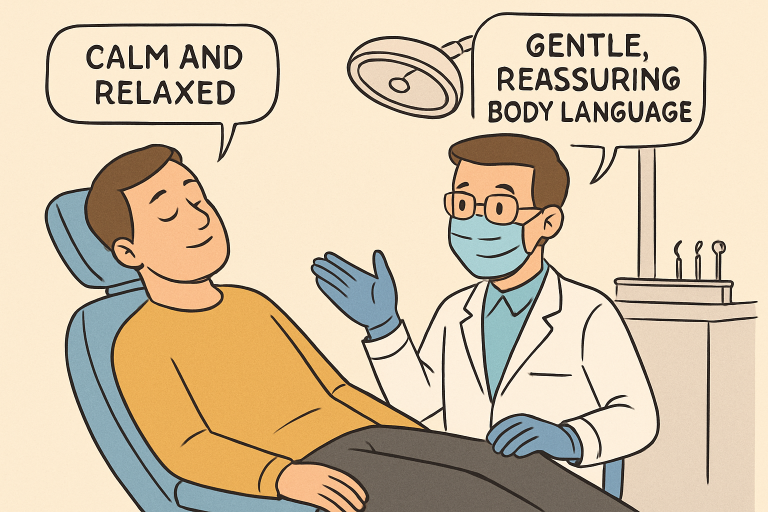
- Reduced Anxiety: Sedation helps patients feel secure and reassured, even during complex or lengthy dental sessions.
- Pain Minimization: By suppressing pain signals and enhancing relaxation, sedation significantly decreases discomfort, making procedures much more tolerable.
- Improved Efficiency: Dentists can often complete multiple treatments in a single appointment, reducing the overall number of visits.
- Encouragement of Regular Care: Reduced fear leads to more frequent check-ups and preventive care, which are critical for lasting oral health.
Advancements in Sedation Practices
Innovations in clinical protocols and technology have propelled sedation dentistry forward. Digital health records and artificial intelligence (AI) tools help dental teams develop tailored sedation strategies that balance efficacy and safety. The adoption of machine learning algorithms enables healthcare providers to analyze patient data, history, and preferences, ensuring the most suitable sedation plan is selected each time.
Personalized Sedation Plans
Every patient’s medical background, dental history, and unique anxieties are distinct. Today’s dental practices incorporate advanced risk assessment tools and comprehensive screening to design personalized sedation protocols that maximize comfort while prioritizing patient safety. These plans may factor in factors such as allergy history, underlying health issues, or special needs, ensuring sedation is administered effectively and safely. This custom-tailored approach fosters trust and a more positive overall experience for those who may have once avoided the dentist due to fear.
Combination Sedation Techniques
For patients with more pronounced dental fears or those undergoing particularly lengthy procedures, combination sedation techniques have shown measurable success. For example, a patient might receive an oral sedative before their appointment and then transition to IV sedation once the procedure begins. This dual approach helps maintain relaxation throughout the visit while adjusting to the patient’s changing needs and the complexity of the dental treatment. Results show these merged protocols enhance patient satisfaction and procedural outcomes.
Safety Measures and Monitoring
The safety of patients during sedation dentistry is paramount. Modern dental offices routinely monitor vital signs —heart rate, blood pressure, and oxygen saturation —during all levels of sedation. The use of capnography, which tracks carbon dioxide levels in a patient’s breath, provides an early warning system for airway or breathing issues, allowing the team to intervene quickly if needed. Additionally, highly trained dental staff remain present throughout any sedation procedure, ensuring a swift response to changes in patient status and upholding the highest standards of patient care.
Conclusion
The transformation brought about by sedation dentistry extends far beyond simple pain control—it is a holistic approach designed to erase barriers to care, create comfort, and deliver personalized treatment for every patient. As techniques continue to evolve with the aid of technology and patient-centric philosophies, sedation dentistry is opening doors for individuals previously burdened by dental anxiety. A positive dental experience is now within reach for patients of all backgrounds, fostering greater oral health and well-being for everyone.
