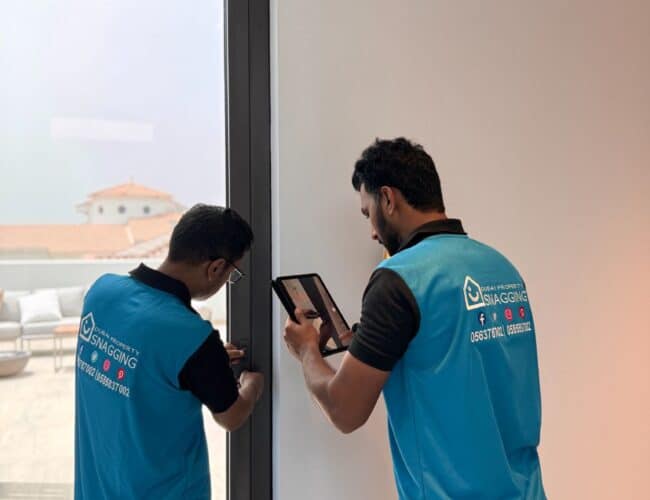
Buying a new property is an exciting milestone, but a fresh coat of paint and modern finishes do not always mean a home is free from defects. Small construction issues, poorly sealed bathroom fittings, faulty drainage, and hidden moisture can remain unnoticed during a quick walkthrough. This is why property snagging Dubai buyers arrange before handover can be an important step toward protecting their investment.
A proper inspection looks beyond the appearance of a property. It examines accessible finishes, fixtures, doors, windows, plumbing, and other agreed areas to identify defects that may need attention. When problems are documented early, buyers have a clearer understanding of the property’s condition and can raise concerns with the developer before moving in.
Water-related defects deserve particular attention because they may affect walls, flooring, cabinets, and other finishes. Understanding how to identify warning signs, when to seek professional assistance, and what to expect from an inspection can help homeowners make more informed decisions.
What Is Property Snagging and Why Does It Matter?
Property snagging refers to the practice of finding and recording the defects, incomplete works, and fittings of installations. This service is usually available on new properties, to sort out any unresolved issues before they reach the ownership but also for existing properties such as when buying or before renting out a property for the first time.
The most common snagging includes chipped tiles, uneven paintings, hanging doors, window seals, faulty fixtures, and taps, among others. Sometimes, the snagging might seem to be only for show, while at other times, it may expose underlying serious problems.
However, a snagging survey provides the buyer with the ability to list all the issues identified in the property by an inspector. The findings can include a brief explanation, location, a detailed description, and accompanying photos of each defect. The idea is not to find serious issues in the building works but to ensure that every small or large snag that the new owners may notice is recorded and dealt with properly.
Common Defects Homebuyers Should Check Before Handover
A newly completed property can contain defects even when the overall finish appears impressive. Buyers should pay attention to areas that are frequently used, exposed to moisture, or dependent on accurate installation.
1. Walls, ceilings, and paintwork
Inspect walls and ceilings for visible cracks, uneven paint, stains, damaged plaster, and inconsistent finishes. Pay particular attention to discoloured areas near bathrooms, kitchens, windows, and air-conditioning equipment.
A stain does not automatically mean an active leak, but unexplained moisture marks should not be ignored. Recording the location and appearance of the affected area makes it easier to investigate the cause.
2. Flooring and tiles
Flooring should be checked for chipped edges, loose tiles, damaged grout, uneven surfaces, and gaps around skirting. In bathrooms and kitchens, examine the visible condition of joints and sealant around wet areas.
Defective grout or sealant may allow moisture to reach surrounding materials in some circumstances. Where water penetration is suspected, the underlying cause should be assessed rather than simply covering the affected area with new sealant.
3. Doors, windows, and seals
Doors and windows should open and close properly. Check accessible handles, hinges, locks, frames, and visible seals for damage or poor alignment.
Damaged seals around windows can allow water or dust to enter, depending on the location and conditions. In Dubai, properly functioning windows and doors also contribute to indoor comfort by helping limit unwanted heat transfer.
4. Plumbing fixtures and drainage
Run accessible taps and check sinks, showers, and other agreed fixtures for normal operation. Look for visible leaks beneath basins, around pipe connections, and near sanitary fittings.
Drainage should also be observed during suitable operational checks. Slow drainage, recurring unpleasant odours, or water pooling around a shower area may indicate an issue that needs further attention.
5. Kitchens and bathrooms
Kitchens and bathrooms contain multiple water connections, sealant joints, and built-in fixtures. Check cabinet bases for swelling or staining, inspect accessible connections for visible leaks, and examine the sealant around sinks and countertops.
These areas are worth checking carefully because a small plumbing problem can remain hidden inside a cabinet or behind stored items until damage becomes more noticeable.
Water Leak Detection Dubai: Warning Signs You Should Never Ignore
Water leaks can be difficult to identify when pipes are concealed or moisture develops gradually. A careful inspection may reveal warning signs, but confirming the source of a suspected leak can require specialist equipment and further investigation.
Homeowners considering Water Leak Detection Dubai services should watch for several common indicators.
Unexplained damp patches: Discolouration or persistent dampness on walls, ceilings, or floors may indicate water penetration, although condensation and other causes are also possible.
Peeling paint or bubbling finishes: Moisture can affect paint and plaster, causing them to blister, peel, or deteriorate.
Musty smells: A persistent musty odour may suggest trapped moisture or damp materials, particularly in cupboards, bathrooms, and poorly ventilated areas.
Swelling in wooden finishes: Cabinet bases, skirting, and other wood-based materials may swell or become discoloured after repeated exposure to moisture.
Unexpected water consumption: A noticeable change in water usage, when other factors remain similar, can sometimes indicate a leak that needs checking.
Recurring moisture after repairs: If a damp patch returns after surface repairs, the original cause may not have been resolved.
These signs should be treated as clues rather than definitive proof. For example, condensation can create moisture around cold surfaces, while a ceiling stain may originate from plumbing or water entering from another area.
A specialist leak assessment can help narrow down the source and determine what repairs are appropriate.
How Professional Leak Detection Can Help
When the source of a leak is not visible, repeatedly opening walls or replacing finishes without identifying the cause can lead to unnecessary disruption.
Professional leak detection may use appropriate methods to investigate suspected water loss or moisture. Depending on the circumstances, these can include moisture meters, thermal imaging, acoustic equipment, pressure testing, or other specialist techniques.
Not every property requires every method. The correct approach depends on the suspected source, the building’s systems, access conditions, and the equipment available to the specialist.
For example, a visible leak beneath a sink may be identified through a straightforward inspection. A suspected leak inside a concealed pipe may require a more targeted assessment.
A general property snagging inspection and a dedicated leak detection service serve related but different purposes. Snagging can record visible water damage and identify warning signs, while specialist leak detection may be needed to locate a concealed source.
If a buyer notices unexplained moisture during a handover inspection, the finding should be documented and referred for appropriate investigation before the affected finishes are repaired.
Choosing a Snagging Company Dubai Homebuyers Can Trust
Selecting a suitable snagging company Dubai buyers can rely on involves more than comparing inspection prices. The quality of the report, clarity of communication, and suitability of the inspection scope are equally important.
Before appointing an inspection provider, consider the following factors.
A clearly defined inspection scope
Ask which rooms, fixtures, finishes, and accessible systems will be examined. Confirm whether balconies, terraces, utility areas, and exterior elements are included where relevant.
If water-related concerns are a priority, ask whether the service includes only visual observations or also offers specialist leak detection.
Detailed reporting
A useful report should identify the location of each defect, describe what was observed, and include photographs where appropriate. General comments without supporting details can make it difficult for a developer or contractor to understand what needs attention.
Relevant experience
Different properties have different inspection needs. An apartment may require close attention to bathrooms, windows, kitchens, and shared-service interfaces, while a villa may have additional exterior areas, drainage features, and other accessible components.
Choose a provider whose experience and service scope suit the property being inspected.
Transparent pricing
Understand what the quoted fee includes and whether additional visits, specialist tests, or follow-up inspections cost extra. Clear terms help avoid misunderstandings after the inspection.
Honest communication about limitations
A responsible inspector should explain which areas were inaccessible, which systems were not tested, and when a specialist assessment may be necessary. No visual inspection can guarantee that every concealed defect has been discovered.
What to Expect During a Property Snagging Inspection
A professional inspection generally follows a structured process. The exact steps depend on the service agreement and the property’s condition.
Step 1: Review the property and inspection scope. The inspector establishes which areas and systems are included and notes any access restrictions.
Step 2: Examine accessible areas. Walls, ceilings, flooring, doors, windows, fixtures, and other agreed items are checked for visible defects and functional concerns.
Step 3: Document findings. Identified issues are recorded with descriptions and photographs so that their locations are clear.
Step 4: Highlight concerns requiring further investigation. Suspected leaks, unusual cracking, or other potentially significant defects may need specialist assessment beyond a standard snagging inspection.
Step 5: Prepare the report. The findings are organized into a report that the buyer can review and share with the developer or responsible contractor.
Step 6: Follow up on repairs. Once the reported issues have been addressed, the buyer may arrange a re-inspection if this service is available and appropriate.
A clear report makes it easier to distinguish minor finishing issues from concerns that require further attention.
Why Early Inspection Can Save Time and Reduce Disruption
Discovering a defect before moving furniture into a home can make access and repairs easier. For example, a leaking connection beneath a kitchen sink is simpler to investigate when the cabinet is empty, while damaged bathroom sealant can be examined before the area is used regularly.
Early inspection also creates a record of the property’s observed condition at a particular point in time. This can be useful when communicating with the developer or reviewing completed repair work.
However, an inspection does not guarantee that every defect will be found or that every repair will be completed immediately. Buyers should review their handover documents, follow the developer’s defect-reporting process, and keep copies of inspection reports and repair communications.
Where a defect could create an immediate safety concern or cause ongoing water damage, appropriate precautions and prompt professional advice are important.
Preparing for Your Property Handover
Before the inspection appointment, buyers can take several practical steps to make the process more productive:
- Arrange access to all agreed rooms and areas.
- Keep available handover documents and property specifications ready.
- Ensure agreed utilities are available where operational checks require them.
- Prepare a list of concerns noticed during previous visits.
- Ask how photographs and defect descriptions will be provided.
- Confirm whether specialist leak detection is included or requires a separate appointment.
- Keep the final report and related correspondence for future reference.
These simple preparations help the inspector work systematically and make the findings easier for the buyer to understand.
Final Thoughts
Buying a property should be an exciting experience, not the beginning of an avoidable repair project. A careful inspection can help buyers identify visible defects, document unfinished work, and recognize warning signs of possible water damage before moving into a new home.
For buyers exploring property snagging Dubai services, the most useful approach is to look for a clearly defined inspection scope, detailed reporting, and honest advice about any limitations. When unexplained dampness or suspected concealed leaks appear, specialist Water Leak Detection Dubai services may be needed to investigate the source.
Choosing a suitable snagging company Dubai homeowners can work with, documenting concerns early, and following up on necessary repairs can help make the handover process more informed and organized.
A property inspection cannot eliminate every risk, but it can provide valuable information about the home’s observed condition and help buyers decide what should happen next.
