Key Takeaways
- Texas weather can change pest behavior quickly because heat, rain, drought, humidity, and cold fronts affect access to water, food, and shelter.
- More pests outdoors do not automatically mean an indoor infestation, but repeated indoor sightings or signs of damage deserve attention.
- Seasonal prevention works best when moisture control, sanitation, exclusion, and routine monitoring are used together.
- Termite signs, recurring rodents, daytime cockroach activity, and stinging insects near living areas may require a professional inspection.
Texas homeowners rarely get a perfectly predictable pest season. A rainy spring week, a long stretch of summer heat, or an early cold front can change where insects and rodents travel and what they seek from a home. Weather does not create every pest problem, but it can expose weak points around a property, and Romney Pest Control, a Texas pest management company serving homes and businesses in areas including Dallas-Fort Worth, Houston, Austin, and San Antonio, focuses on common regional concerns such as termites, rodents, mosquitoes, and household pests. Gaps under doors, damp areas near plumbing, clogged gutters, accessible food, and cluttered storage can make a home more appealing when outdoor conditions become difficult.
Why Texas Weather Can Change Pest Behavior
Pests respond to their environment rather than a strict calendar. Rain can increase soil moisture and create standing water. Dry weather can reduce outdoor water sources. Sudden drops in temperature can push pests toward protected spaces. Humidity may also make damp rooms, crawl spaces, and shaded landscaping more attractive to moisture-loving insects.
It is also useful to separate outdoor activity from an infestation. Ants crossing a patio after rain or mosquitoes appearing near a drainage issue may be outdoor problems. Repeated pests inside, droppings, gnaw marks, discarded insect wings, nests, or visible damage are stronger reasons to investigate further.
Spring: Rain, Soil Moisture, and New Pest Activity
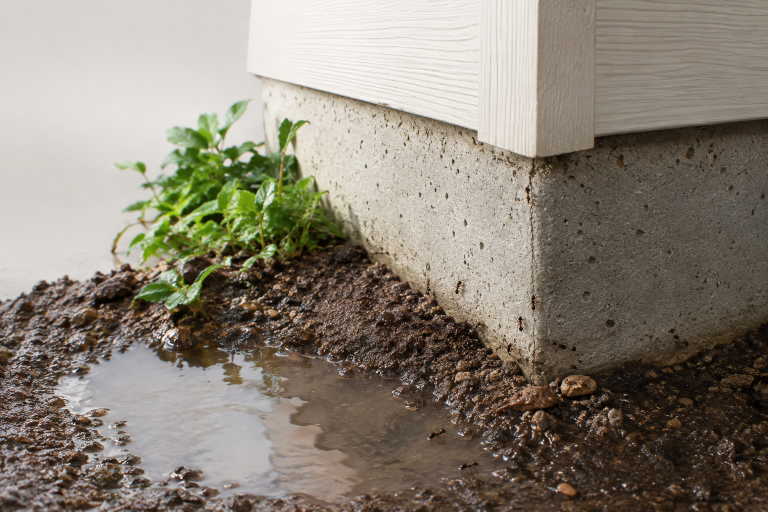
Spring rain and warmer temperatures increase the visibility of pests like termites, ants, and mosquitoes. Subterranean termites may create mud tubes between soil and buildings, prompting homeowners to inspect for these tubes, soft wood, and discarded wings. Texas A&M notes that termite swarming varies by region and typically peaks in spring; indoor swarms require inspection. Additionally, homeowners should monitor fresh ant trails and water accumulation in their yard, especially after storms.
Summer: Heat and Drought Push Pests Toward Shelter
During hot, dry periods, a home can offer water, shade, and stable indoor temperatures. Cockroaches may appear near kitchens, bathrooms, utility rooms, and appliance areas. Spiders may establish webs around doors, garages, eaves, and shaded corners where prey insects gather. Rodents can also use garages, attics, wall voids, and areas around air-conditioning equipment for shelter.
Small water sources can matter. A dripping outdoor faucet, a slow plumbing leak, a pet bowl, a clogged gutter, or an overwatered planter may attract pests near the house. Austin residents can reduce mosquito breeding opportunities by draining standing water each week, including water in containers, toys, birdbaths, and gutters.
Summer is also a good time to inspect eaves, fences, sheds, and outdoor furniture for wasp activity. Keep clear space around nests, especially near doors, play areas, and frequently used walkways.
Fall: Cold Fronts Change Where Pests Look for Shelter
When cooler nights arrive, mice, rats, crickets, beetles, spiders, and overwintering insects may move toward warmer, quieter spaces. Garages, attics, crawl spaces, wall voids, and storage areas can provide cover if entry points are available.
Quick Fall Inspection List
- Replace worn door sweeps and repair damaged weatherstripping.
- Check the garage door seals and the screens on vents or windows.
- Seal gaps around utility lines, pipes, and cable entries.
- Inspect roof lines, attic vents, and cracks around the foundation.
- Move stored boxes away from walls and reduce clutter.
Winter: Why Pest Problems Do Not Always Stop
Texas winters can include mild periods, and heated homes provide dependable warmth, water, and food. Rodents may remain active indoors, while cockroaches can persist near moisture sources and appliances. On warm winter days, insects may also appear near windows or sunny exterior walls.
Look for scratching in ceilings or walls, droppings near stored food, chewed packaging, gnaw marks on boxes or wiring, and insect activity around sinks. Addressing these signs early is generally easier than waiting for activity to spread into additional rooms.
A Room-by-Room Pest Prevention Checklist
Kitchen, Bathroom, and Laundry Areas
- Store dry food and pet food in sealed containers.
- Clean crumbs, grease, and spills promptly.
- Repair leaking pipes, dripping faucets, and loose sink connections.
- Empty trash regularly and keep containers clean.
- Use ventilation after showers and inspect pipe openings for gaps.
Garage, Attic, and Storage Areas
- Keep boxes off the floor when practical.
- Reduce paper, fabric, and general clutter near walls.
- Inspect stored items for webbing, droppings, gnaw marks, or shed wings.
- Check items from garages or sheds before bringing them indoors.
Outdoor Changes That Can Reduce Pest Pressure
- Clean gutters and make sure downspouts direct water away from the foundation.
- Remove leaf piles, excess debris, and stacked materials from exterior walls.
- Trim shrubs and branches away from siding, windows, and roof lines.
- Empty outdoor containers after rainfall.
- Store firewood elevated and away from the home.
- Seal cracks around doors, windows, vents, and utility openings.
These steps are most effective when used together. Spraying a visible insect without addressing moisture, food, or entry-point issues may not solve why pests keep returning.
When to Call for a Professional Inspection
Professional help may be appropriate when activity is persistent, widespread, damaging, or difficult to identify. Schedule an inspection for termite swarmers, mud tubes, repeated rodent sounds, recurring droppings, wasp nests near entryways, roaches seen during the day, or pests that continue returning after careful do-it-yourself prevention.
DIY Prevention vs. Professional Treatment
- DIY prevention: Best for removing standing water, cleaning food spills, reducing clutter, fixing leaks, and sealing small gaps.
- Professional treatment: Useful for hidden nests, termite activity, recurring infestations, inaccessible rodent areas, and stinging insects that create a safety concern.
- Best combined approach: Improve conditions around the home while using targeted treatment when inspection findings call for it.
A Simple 2026 Seasonal Pest Calendar
- Spring: Watch for termites, ants, fire ants, and mosquitoes. Inspect the foundation and remove standing water.
- Summer: Watch for cockroaches, spiders, rodents, mosquitoes, and wasps. Control moisture and check common entry points.
- Fall: Watch for mice, rats, crickets, beetles, and spiders. Inspect doors, vents, roof lines, and garage seals.
- Winter: Watch for indoor rodents, cockroaches, and insects near warm windows. Monitor quiet storage and utility areas.
Final Advice for Texas Homeowners
Weather-related pest activity is easier to manage when homeowners notice patterns early. Inspect the home after heavy rain, extended heat, and the first major cold fronts. A few practical repairs, better drainage, cleaner storage, and regular monitoring can make a property less inviting to pests throughout 2026.
