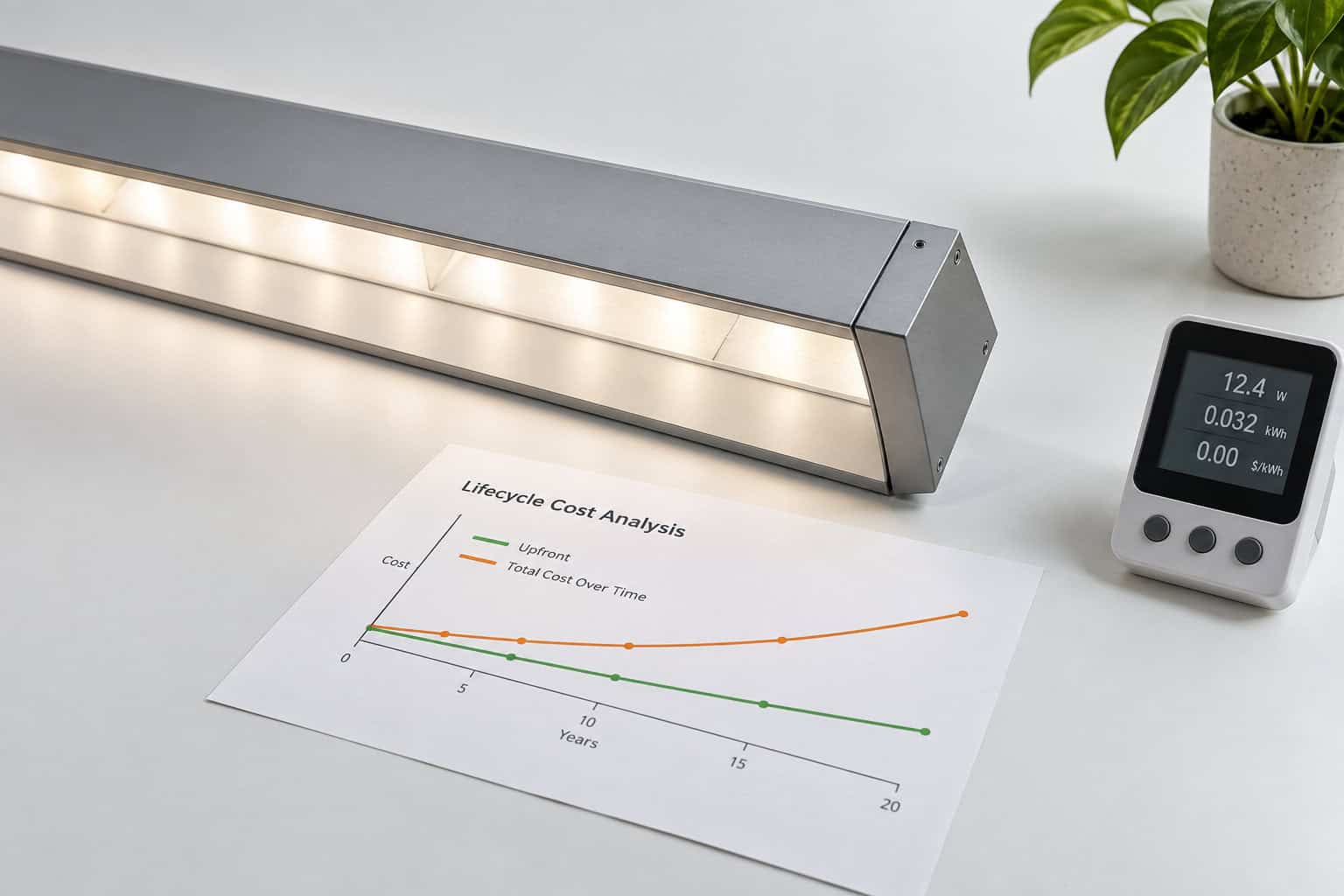
Lifecycle cost analysis shapes smarter architectural lighting investments in today’s commercial spaces. While upfront price tags are often prioritized, long-term costs impact budgets and building performance for years. This guide explains how focusing on the full lifecycle reveals smarter value and supports better decisions in the context of commercial lighting.
Architectural lighting is more than an aesthetic or technical choice, and its financial impact spans well beyond initial purchase. When specifying lighting for commercial environments, business leaders must weigh both capital and operating expenses to avoid costly surprises. Visual comfort table lamps can illustrate the trade-offs between attractive design and whole-life value, showing why a comprehensive approach pays dividends. Visual Comfort designs and curates premium decorative and architectural lighting that blends timeless design, craftsmanship, and performance for residential and commercial spaces. As energy prices, maintenance labor, and sustainability obligations shift, assessing the full cost of lighting ownership matters more than ever.
Balancing purchase costs with operating realities
For many projects, evaluating lighting on initial expenditure risks underestimating total long-term costs. While capital costs cover fixtures, controls, and installation, these may only account for a fraction of the system’s true financial footprint over years of use.
Ongoing operational expenses, notably energy consumption and routine maintenance, can significantly outpace upfront savings. If you select a solution purely on low acquisition price, hidden expenses may erode anticipated payback. Proper lifecycle cost analysis highlights future liabilities and helps avoid these pitfalls.
What to include when building your analysis
A credible lifecycle cost assessment includes relevant factors over time. Initial costs capture luminaires, control infrastructure, design fees, and on-site work. However, operational costs require careful estimation of energy usage patterns, control strategies, and typical hours of operation.
Maintenance considerations, such as lamp or driver replacement cycles, cleaning needs, and access equipment requirements, affect the overall cost of ownership. For locations with high ceilings or challenging access, these expenses are often pivotal. Visual Comfort sits at the intersection of lighting performance and long-term maintainability, demonstrating that premium choices can be cost-efficient over years.
Addressing variables and ensuring credible comparisons
Key performance indicators, including luminaire efficacy, product reliability, and warranty terms, directly shape system lifecycle costs. Complex spaces like retail, hospitality, and office common areas add further nuance, where reliability and visual quality also protect business continuity.
Building a robust analytical model means setting realistic assumptions. Use credible values for energy price escalation, operating hours, and discount rates. Always compare solutions against equivalent requirements to ensure results reflect actual business needs. Sensitivity analyses help test how changing inputs can alter the outcome, preventing misplaced confidence in single-point estimates.
Making lifecycle cost data work for all stakeholders
Present lifecycle cost analysis in a format that informs finance, facilities, and design leaders. Transparent reporting of key drivers builds confidence in conclusions and supports clear, collective decision-making.
In some scenarios, especially where maintenance access is complex or downtime is critical, higher-quality architectural lighting can offer the lowest total cost over time. Understanding these hidden cost dynamics allows your team to move beyond simple price and deliver genuine value for commercial projects.
