Key Takeaways
- Plan waste management before starting your renovation project.
- Sort and recycle materials to reduce landfill waste.
- Donate usable items to support the community and minimize waste.
- Use professional disposal services for safe and efficient cleanup.
- Follow local disposal rules to ensure responsible waste management.
Introduction
Embarking on a home renovation project is an exciting endeavor that can transform your living space. However, it often results in significant waste, including old fixtures and construction debris. Managing this waste efficiently is crucial for both environmental sustainability and maintaining a clean workspace. Utilizing services like driveway-safe roll-off bin delivery systems from E.N Contracting & Disposals can streamline the disposal process, ensuring your property remains undamaged during waste removal.
Plan Ahead for Waste Management
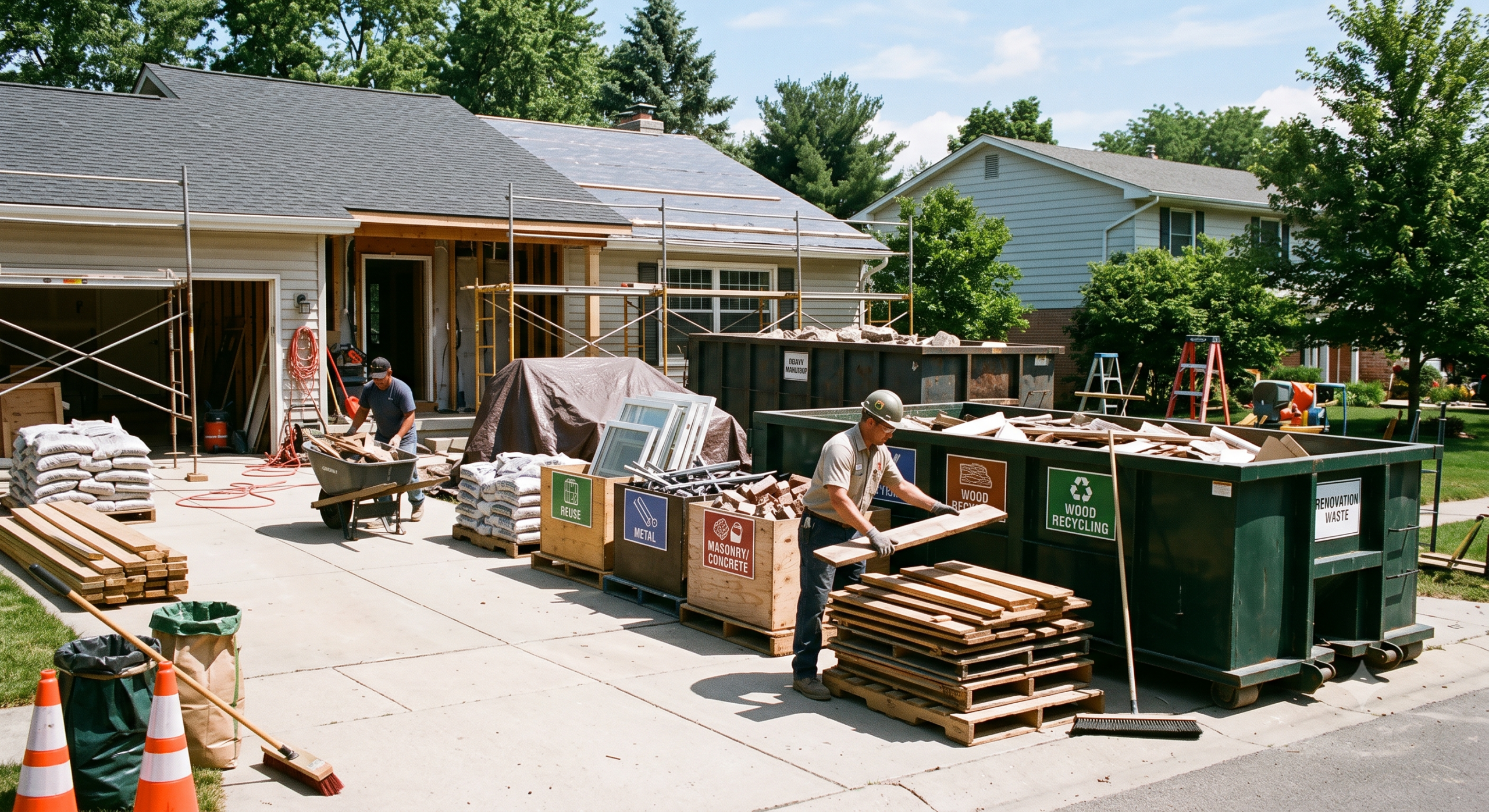
Before starting your renovation, develop a waste management plan. Identify the types of materials you’ll be discarding and research local disposal regulations. This proactive approach ensures that waste is handled appropriately and can help in recycling efforts. An effective plan will include estimating the volume and types of debris your project will generate, identifying specific containers for segregation, and planning disposal or recycling routes. Allocating dedicated space for temporary waste storage will further keep the work area organized. Consider discussing your plans with your contractor, who can advise you on common waste streams and preferred practices for safe and legal disposal. Failing to plan proactively can lead to unexpected expenses, clutter that disrupts the workflow, and possible safety hazards for you or your workers. Therefore, dedicating time up front to waste management is just as critical as making design decisions or choosing materials for your renovation.
Separate and Sort Materials
During the renovation, separate waste into categories such as wood, metal, drywall, and hazardous materials. Proper sorting facilitates recycling and reduces the amount of waste sent to landfills. For instance, metals can often be recycled, while untreated wood can be repurposed or composted. To make separation easier, set up multiple clearly labeled bins or piles for each category. Encourage all workers or family members involved to participate in keeping recyclables, hazardous waste, and general trash apart. Some cities even provide color-coded bins for specific materials. Consistently sorting as you go reduces tedious work later and ensures hazardous or recyclable materials are disposed of safely. Always take time to research which types of waste facilities in your area accept, as guidelines can change and vary. For example, some transfer stations have special containers for drywall, while others might treat it as landfill waste. Being proactive in your research ensures your sorted waste ends up in the right place.
Donate Usable Items
Consider donating items like cabinets, doors, and appliances that are still in good condition. Organizations such as Habitat for Humanity’s ReStores accept these donations, providing them to others in need and keeping them out of landfills. Donating is a great way to support your community while minimizing waste. In addition to building materials, charities may accept sinks, lighting fixtures, tile, and even gently used flooring. Some organizations will even arrange to pick up your donation directly from your home, making it easy to give items a second life. You might also use online platforms or local community groups to find people interested in salvaging what you no longer need, reducing landfill burdens, and helping others afford their own home improvements. Be sure to clean and check items before donating to ensure they can be reused. Most organizations have guidelines for the kinds of items they can accept, so contact them in advance.
Utilize Professional Disposal Services
For efficient waste removal, consider hiring professional services. Roll-off bins come in various sizes to suit projects from small bathroom remodels to major renovations. Professional services handle the delivery, placement, and pickup of bins, simplifying your cleanup efforts. Many providers are knowledgeable about local regulations and will ensure that your waste is sorted and disposed of in compliance with environmental laws. Using a professional service also reduces your physical effort and transport needs, freeing you to focus on the actual renovation. If you are working on a tight timeline or dealing with bulky items, professional disposal can streamline the process, ensuring waste is quickly removed and your project stays on track.
Recycle Hazardous Materials Properly
Materials such as paint, solvents, and batteries require special handling. Contact your local waste management facility to learn about proper disposal methods for hazardous waste to prevent environmental contamination. Hazardous materials not only pose risks to the environment but can also be dangerous when left lying around the site. Many municipalities offer periodic hazardous waste drop-off events or have dedicated disposal centers. Retain original packaging and labels; this information is helpful to disposal staff and ensures correct processing. Never pour old paint or chemicals down the drain or into the soil, as these actions can harm wildlife and water systems. Following the correct procedures keeps your home and neighborhood safe. Whenever possible, choose safer alternatives, such as water-based paints or non-toxic adhesives, to further reduce hazardous waste output.
Implement Eco-Friendly Practices
Opt for sustainable materials and methods during your renovation. For example, using low-VOC paints and energy-efficient appliances can reduce your project’s environmental impact. Additionally, consider deconstructing rather than demolishing structures to salvage materials for reuse. Green building practices include maximizing natural light, installing high-efficiency windows, and selecting recycled or rapidly renewable materials, such as bamboo flooring. Consider integrating energy-saving fixtures and plumbing to lower utility bills and reduce resource consumption in the long run. Where possible, keep the building envelope insulated and reduce unnecessary trips to the landfill by salvaging trim, doors, and floorboards for reuse elsewhere on your property. If working with a contractor, look for companies that prioritize sustainability and have experience with eco-friendly renovations. Ask about options for locally-sourced products, recycled content, and waste diversion strategies that fit your project and budget.
Stay Informed on Local Regulations
Waste disposal regulations can vary by location. Stay informed about your area’s guidelines to ensure compliance and avoid potential fines. Your local municipality’s website is a good resource for this information. Regulations may cover aspects like allowable bin placements, noise restrictions on disposal activities, weight limits for bins, and special requirements for hazardous waste. Understanding these rules beforehand helps you avoid interruptions to your project caused by violations. Some cities also have incentive programs for recycling construction materials, so look out for those as you plan your disposal strategy. If you live in a neighborhood governed by a homeowners’ association, check their rules as well, since they often have additional requirements about storage and appearance of waste containers on your property.
Conclusion
Effective waste management is a vital component of any home renovation project. By planning, separating materials, donating usable items, and utilizing professional services like E.N Contracting & Disposals, you can ensure a cleaner, more sustainable renovation process. Remember, responsible disposal not only benefits the environment but also contributes to the overall success of your project. Beyond protecting the environment and avoiding fines, organized waste management can actually improve your experience, keeping worksites safe, making cleanup easier, and giving you satisfaction in knowing you’ve made responsible choices. Every piece you recycle, reuse, or properly discard prevents unnecessary landfill use and conserves resources for future generations. Make waste management a priority in your next renovation, and see the difference it makes.
