In the age of streaming today, digital content protection has become crucial. One of the most popular security solutions is Google Widevine DRM, which protects everything from music to movies on several devices. More likely than not, Widevine is in the background when you are either watching your favorite series or listening to the high-end podcasts. We are able to appreciate and see the fine balance between content security and user experience when we understand how this technology functions. Some essential components of Widevine DRM are explained in simple words in this article.
What exactly is Widevine DRM?
Widevine is a digital rights management solution that was created by Widevine Technologies which was acquired by Google in 2010. The system will ensure that premium digital contents are not copied and shared with unauthorized access to a wide range of devices and browsers. Consider it as a virtual security guard that only genuine subscribers may access paid material. The technology encrypts video and audio streams and they are impossible to read by a person who tries to illegally download them. The creators and distributors of content use Widevine to secure their intellectual property and provide smooth viewing experiences. It also works as a silent background tool that does not need special intervention by the viewers who just want to enjoy their entertainment in a legal way.
The Three Security Levels Explained
advantages. The highest level of security is offered by Level 1, which uses hardware-based security that is almost impossible to breach. By combining hardware video decoding with software-based cryptography, Level 2 provides a reasonable level of security. The most basic grade, Level 3, has no hardware security mechanisms and only uses software protection. Depending on their technical capabilities and security features, different devices support different levels. While common content may be compatible with lower security levels, premium content, such as recently released films, usually requires Level 1. This layered strategy guarantees that content protection adapts to the capabilities of the device.
How Content Encryption Actually Works
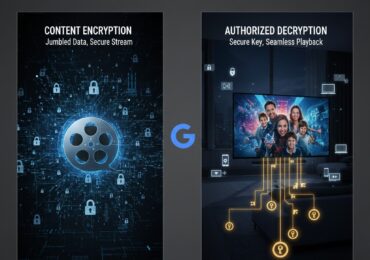
The encryption process begins when content providers are willing to send their media files. Jumbling of audio and video streams is done via advanced encryption techniques so that the material can no longer be read in its original form. Decryption keys used to unlock the content during playback are only transmitted to devices with the correct authorization.These keys are only valid for permitted viewing sessions and are distributed over secure methods. There is no discernible delay for spectators because the entire procedure takes place instantly. This advanced encryption guarantees that even if the data stream is intercepted, it cannot be transformed into viewable material. To avoid any security lapses, the system regularly checks authorization during the viewing session.
Why Browsers and Devices Need Support
The operation of Widevine is totally dependent on whether your device or browser has the required components. Widevine integration is embedded right into the systems of contemporary browsers like Chrome, Firefox, and Edge. Streaming devices, smart TVs as well as mobile devices should also be certified Widevine to play the protected content. Via the encrypted streams the viewers cannot view them without proper support no matter whether they have subscriptions. The device makers need to add specific security features and successfully pass the challenging testing to become Widevine certified. Every viewing device must adhere to minimal security requirements thanks to this mandate. Although some older devices do not have the requisite support, Widevine has become almost universal due to its extensive acceptance across manufacturers.
The Role of Content Delivery Networks
Widevine and content delivery networks collaborate to effectively disseminate encrypted media throughout the world. These networks save viewers’ loading times by storing encrypted content on servers placed strategically throughout the globe. The closest server sends encrypted material to your device when you hit play. After then, Widevine decrypts these segments in real time, resulting in fluid playback free of buffering pauses. Encryption and distribution work together to maintain optimal security and performance. While ensuring constant encryption, the technology dynamically modifies video quality according to your internet speed. The frictionless streaming experience that contemporary viewers anticipate is made possible by the smooth coordination of several technologies.
Compatibility Challenges Users Sometimes Face
Even though Widevine is widely used, some users occasionally experience compatibility problems. Access to premium content is restricted because older machines without contemporary security measures are unable to meet Level 1 criteria. Certain privacy-conscious browsers completely block the playback of encrypted streams by disabling or removing Widevine components. Because different distributions have different levels of manufacturer support, Linux users can face additional challenges. Newer Widevine implementations may not work well on mobile devices with out-of-date operating systems. Users who have valid memberships but are unable to access material on their chosen devices are irritated by these compatibility gaps. Software updates, browser modifications, and device upgrades that adhere to current security standards can fix the majority of problems.
Privacy Considerations and User Concerns
There are valid privacy concerns with Widevine’s operation that should be carefully considered. In order to confirm security capabilities and stop unwanted access, the system gathers specific device data. Concerns over data collecting and tracking related to DRM technology in general are shared by certain consumers. Strong content protection, user privacy, and system transparency must all be balanced by the technology. DRM systems, according to its detractors, allow content companies undue control over how consumers use legally acquired media. Proponents argue that content creators would suffer catastrophic financial losses from piracy in the absence of such protection. In a connected society, there are larger conflicts between digital freedom and intellectual property rights, which are reflected in this continuing discussion.
The Future of Digital Content Protection
Widevine is still developing to handle new security risks and shifting usage habits. Stronger encryption techniques and more advanced breach detection systems are included in newer versions. The technology is evolving to accommodate new forms, including as ultra-high definition broadcasts and virtual reality material. By seeing suspect access patterns before breaches happen, artificial intelligence may potentially improve real-time threat detection. The encryption processes can be increased with no impact on user experience with the increase in internet speeds across the globe. The future development will still be based on making a compromise between security and convenience and privacy. Understanding these processes will allow us to navigate through the complex landscape of digital entertainment in a responsible manner.
Conclusion
Google Widevine DRM, which protects artists and allows streamlining, has become an essential aspect of modern digital content delivery. By understanding the levels of its security offered by Doverunner, encryption method and compatibility needs, users will be able to defeat occasional technical complications. Widewine will continue to improve with the evolution of technology to create a balance between the privacy of the user, content protection and easy access. Such a technology can be viewed as an illustration of the way high-level security can be known to operate unnoticed, ensuring the everyday access of millions of people to digital entertainment.
