Table of Contents
- Understanding Human-Centered Design
- The Role of Empathy in Design
- Integrating Technology with Human Needs
- Case Studies in Human-Centered Design
- Principles for Effective Human-Centered Design
- Challenges and Solutions in Human-Centered Design
- Future Trends in Human-Centered Design
- Conclusion
Great design is no longer just about making things look good. The most impactful spaces and products are those that connect emotionally with people, reflect their behaviors, and solve real-life problems. By putting people at the heart of the process, designers can shape spaces that are not only visually appealing but also transformative for the communities they serve. For instance, an Interior Designer in Denver will integrate local culture, daily routines, and emotional resonance to create environments that are both beautiful and functional. This approach, known as human-centered design, shifts the narrative from aesthetics to empathetic problem-solving. It is a process that challenges designers to look beyond the surface, understand the user’s needs and desires, and ultimately enhance the user’s overall experience. Solutions crafted with a human-centric mindset are meaningful and have staying power because they enrich daily lives in tangible ways.
In this article, we’ll explore what makes human-centered design so vital. We’ll discuss how empathy shapes design decisions, examine the integration of technology, share case studies that highlight its success, and offer actionable principles to guide future projects. The rise of human-centered approaches in both private and public projects is reshaping industries. Focusing on people’s needs results in spaces and products designed not only for aesthetics or efficiency, but for purpose and personal connection.
Understanding Human-Centered Design
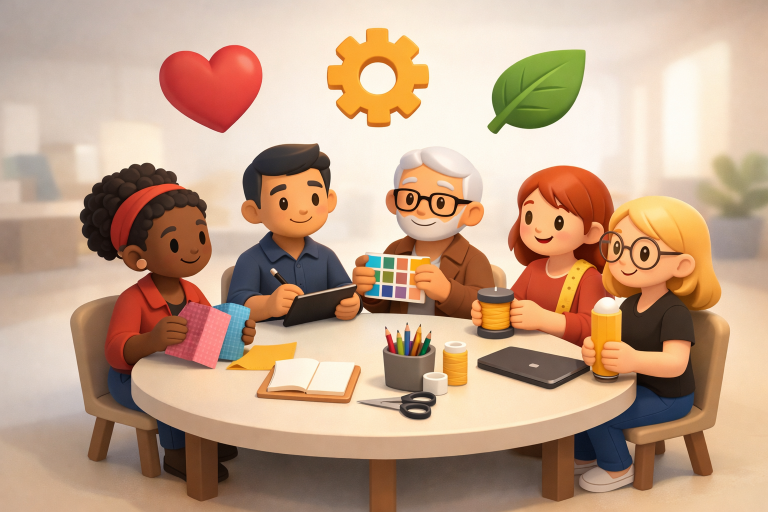
Human-centered design is an approach to solving problems that begins with a deep understanding of people’s needs. Designers gather insights about their audience through observation, interviews, and engagement. Instead of jump-starting the process with sketches or models, the emphasis is on learning about the people who will use the space or product. This philosophy puts community, inclusion, and functionality at the forefront. The outcomes are places and objects that not only serve a practical need but also create a sense of belonging and purpose.
The Role of Empathy in Design
Empathy is the foundation of every successful human-centered design project. It requires designers to see the world through the eyes of the people they are creating for. By taking the time to understand users’ habits, frustrations, goals, and dreams, designers can anticipate challenges, avoid biases, and generate solutions that resonate on a personal level. The importance of empathy in design extends beyond initial discovery. Throughout the process, concepts and prototypes are tested with real people, whose feedback guides refinements. As explored in Empathy as a superpower in an AI-driven world, empathy is a crucial skill for future-ready designers, especially as technology evolves.
Integrating Technology with Human Needs
In an age of rapid innovation, integrating technology into human-centered design means more than adopting the latest gadgets. The real value lies in enhancing the user’s experience. Smart technology, automated controls, and mobile integration should make life easier, more efficient, and more enjoyable, not more complicated. Designers can accomplish this by prioritizing clarity and minimizing friction, remembering that real people often operate with divided attention and intuition. As TechRadar’s analysis highlights, the best solutions embrace people’s cognitive behavior and deliver delight by being intuitive, accessible, and responsive to their needs.
Case Studies in Human-Centered Design
When designers put people first, transformations can be extraordinary. Consider revitalizing neglected urban parks, with local input guiding the creation of inclusive playgrounds, walking trails, and gathering spaces. In one instance, a 13-acre public area in Detroit was turned into a hub of activity by uniting communities and respecting cultural identities, local craftsmanship, and accessible design principles. Such examples underscore how focusing on human experience can create enduring value, foster social connection, and improve well-being on a large scale.
Principles for Effective Human-Centered Design
- Empathy: Begin every project by exploring users’ aspirations, frustrations, and routines.
- Collaboration: Ensure stakeholders are engaged throughout, from conception to completion.
- Iterative Process: Use prototyping, testing, and feedback loops to refine ideas and improve usability.
- Accessibility: Design for people of all backgrounds and abilities by removing barriers and considering a spectrum of needs.
- Sustainability: Choose materials and strategies with an eye toward environmental and social longevity.
Challenges and Solutions in Human-Centered Design
While rewarding, a human-centered approach comes with unique obstacles. Designers may encounter conflicting priorities between stakeholders and users, budget limits, or pressure to adopt unproven technologies. Another challenge is serving diverse end users whose needs might differ significantly. The most effective solutions include prioritizing comprehensive user research at the outset, creating cross-disciplinary partnerships, and maintaining a flexible mindset. Regularly testing ideas throughout development allows for adjustments and keeps the focus firmly on real-life impact. Case studies in public health, such as improvements in hospital layouts informed by patient feedback, demonstrate the tangible benefits of this approach.
Future Trends in Human-Centered Design
The future points toward even deeper integration of empathy, emotional intelligence, and technology in design practice. AI-powered research tools, AR technology, and sustainability benchmarks are expected to influence how designers gather feedback, iterate ideas, and create meaningful user experiences. As people’s expectations evolve, those who embrace human-centered values will lead the industry in delivering spaces and solutions people truly love.
Conclusion
Designing for human experience represents a significant leap forward in the built environment and product development. It calls on designers to listen intently, act empathetically, and innovate thoughtfully. By putting human needs at the center, spaces and goods created are more welcoming, effective, and impactful for everyone who uses them.
