Table of Contents
- Why Closing Planning Matters
- First Steps After an Offer Is Accepted
- Build a Clear Closing Timeline
- Documents to Collect Early
- Inspections, Appraisals, and Repairs
- Title and Closing Preparation
- Keep Every Party Informed
- The Final-Week Checklist
- Common Closing Delays and Simple Fixes
- North Dakota Closing FAQ
- A More Predictable Closing
A real estate closing can feel straightforward until one missing document, unclear deadline, or last-minute lender condition slows everything down. Buyers, sellers, agents, and brokers can reduce that risk by using a written process from the moment an offer is accepted. For transactions that need added administrative support, https://transactioncoordinator.com/real-estate-tc-in-north-dakota/ can help keep documents, deadlines, and communication organized throughout the file.
This checklist is designed for typical North Dakota residential transactions, while recognizing that rural homes, acreage, multiple owners, estates, and special financing can add extra steps. The signed purchase agreement always controls the required dates and obligations, and buyers or sellers should speak with their lender, title professional, attorney, or tax adviser when they need advice specific to their situation.
Why Closing Planning Matters
Closing deserves the same attention as offer negotiations. One unsigned addendum, unresolved repair request, title question, or insurance issue can affect the planned signing date. A shared checklist identifies what must be completed, who is responsible, and when each item is due.
Organization is especially valuable when several people are involved, including lenders, inspectors, appraisers, title staff, contractors, insurance agents, and attorneys. Clear ownership of each task prevents assumptions from becoming delays.
For teams seeking a structured contract to close services, the most useful system is one that turns the purchase agreement into practical next steps, follows up on outstanding items, and gives everyone a reliable status update.
First Steps After an Offer Is Accepted
The first 24 to 48 hours set the tone for the transaction. Confirm that all parties have a fully signed copy of the purchase agreement and every addendum. Then record the closing date, inspection deadline, financing milestones, earnest money instructions, and any agreed repair or disclosure obligations.
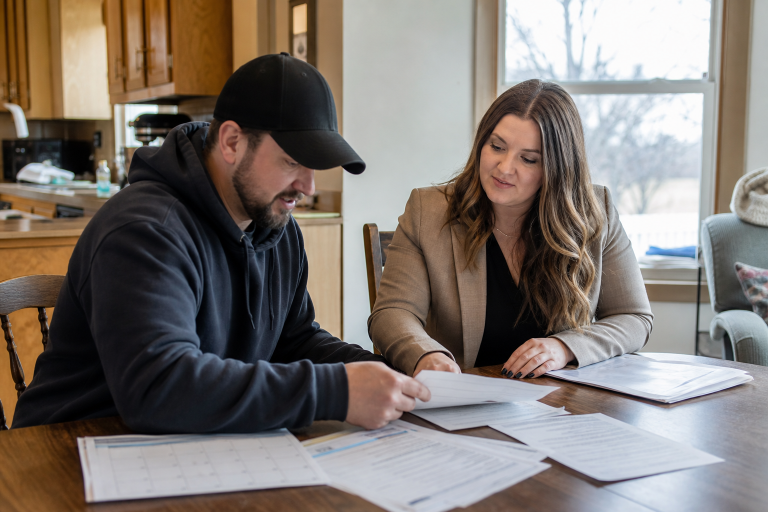
- Send the executed agreement to the lender, title company, and other necessary parties.
- Confirm how earnest money will be delivered and by what deadline.
- Ask early about mail-away signing, remote signing, or powers of attorney.
- Choose one dependable channel for updates and secure document delivery.
Build a Clear Closing Timeline
Work backward from the scheduled closing date. Title review, loan underwriting, appraisal review, repair negotiations, and document preparation all need time before the final walkthrough. Put each contract deadline on a calendar, including the person responsible for completing it and the person who needs confirmation afterward.
A timeline should also include follow-up dates, not just due dates. If an inspection report is due Tuesday, schedule a prompt review and response deadline rather than waiting until the final day of the inspection period.
Documents to Collect Early
Early document collection avoids a rushed final week. The exact list varies by property and financing, but commonly includes the executed purchase agreement, property disclosures, inspection agreements, government-issued identification, lender conditions, homeowners’ insurance information, mortgage payoff details, and association documents when applicable.
Rural or acreage transactions may also require leases, surveys, well or septic records, access information, or agricultural agreements. Use secure systems for identification, bank details, and signed documents. Never assume emailed wiring instructions are authentic without independently verifying them.
Inspections, Appraisals, and Repairs
Schedule inspections as soon as the contract allows, provide clear access instructions, and track when reports will be delivered. Any repair request, response, credit, or amendment should be documented in writing. If the parties agree that a furnace, roof, or electrical issue will be repaired, save receipts, permits, photos, and completion details for the final walkthrough.
Appraisal results may affect financing, particularly when the value differs from the contract price or when the lender requires repairs. Ask the lender promptly whether additional documents, a revised agreement, or a repair verification will be needed.
Title and Closing Preparation
Title work helps identify ownership, liens, judgments, unpaid taxes, legal-description concerns, and other issues that may need resolution before transfer. Review the title commitment promptly, confirm the legal names of all parties, and make sure ownership on the deed will match the buyer’s intended vesting instructions.
Closing preparation also includes reviewing prorated taxes, assessments, utilities, payoffs, and other charges. North Dakota brokers have filing responsibilities related to detailed closing statements, so accurate records benefit both consumers and professionals. Ask the title company or attorney to explain any document that is unclear before signing.
Keep Every Party Informed
Short, consistent updates can prevent long email chains and conflicting information. A useful update answers three questions: what has been completed, what remains outstanding, and who must act next by what date. If a deadline or closing date changes, circulate the revised date immediately to every affected party.
The Final-Week Checklist
- Confirm final loan approval and any remaining lender conditions.
- Review the settlement figures and verify the funds needed to close.
- Confirm homeowners’ insurance, utility-transfer plans, and the final walkthrough.
- Check that agreed repairs are complete and supporting records are available.
- Verify signing time, location, identification requirements, and key delivery plans.
- Call a trusted phone number to confirm wire instructions before sending funds.
Mortgage borrowers generally must receive a Closing Disclosure at least three business days before closing. Use the time to compare final loan terms, projected payments, cash-to-close figures, and fees with earlier estimates.
Common Closing Delays and Simple Fixes
- Missing signature: Confirm the correct document version and signing order, then resend promptly.
- Late lender condition: Request one complete list of outstanding items rather than addressing requests piecemeal.
- Title issue: Send the requested payoff, identity, estate, or ownership documents to the title team immediately.
- Repair not finished: Obtain proof of completion early and discuss alternatives before the walkthrough.
- Wire fraud concern: Stop and verify instructions by phone. Real estate transactions are frequently targeted by email compromise schemes.
- Weather or travel problem: Ask about alternate signing options well before winter conditions or travel plans become urgent.
North Dakota Closing FAQ
How early should closing preparation begin?
Begin as soon as the purchase agreement is signed. Early preparation gives the lender, title team, and parties time to identify questions before the final week.
What should buyers bring to closing?
Buyers should verify the requirements with the closing professional. Common items include valid identification, approved funds, proof of insurance, and documents requested by the lender or title company.
Can a closing be handled remotely?
Some transactions can use mail-away or other flexible signing arrangements. Availability depends on the lender, title professional, documents involved, and the circumstances of the transaction.
A More Predictable Closing
Smooth closings are built through early planning, accurate records, secure communication, and prompt follow-up. A practical checklist keeps small issues visible while there is still time to resolve them, helping every party approach signing day with fewer surprises.
