Key Takeaways
- Silver Lake’s hills affect views, sunlight, parking, driveways, outdoor areas, and walking routes.
- Older homes and newer residences can offer very different maintenance and ownership experiences.
- Convenience changes sharply from block to block, especially near Sunset Boulevard, Silver Lake Boulevard, and reservoir-area paths.
- A property listing cannot fully show noise, slope, street activity, or parking conditions.
- The strongest housing choice is usually the one that fits a buyer’s actual routines, not just a home’s visual appeal.
Silver Lake is a Los Angeles neighborhood where the setting is part of the daily routine. A morning errand, a dog walk, or a drive home can feel very different depending on whether a home sits near a commercial corridor, above the reservoir, or along a quiet hillside street.
As a starting point for comparing blocks and property styles, Carolina Kramer’s Silver Lake Los Angeles real estate guidance offers a neighborhood-focused look at local homes, architectural character, and lifestyle considerations. As a California-licensed real estate professional serving Los Angeles and surrounding communities, Carolina Kramer offers a useful perspective for people weighing hillside access, walkable areas, and the varied housing options found throughout Silver Lake.
Why the Landscape Matters
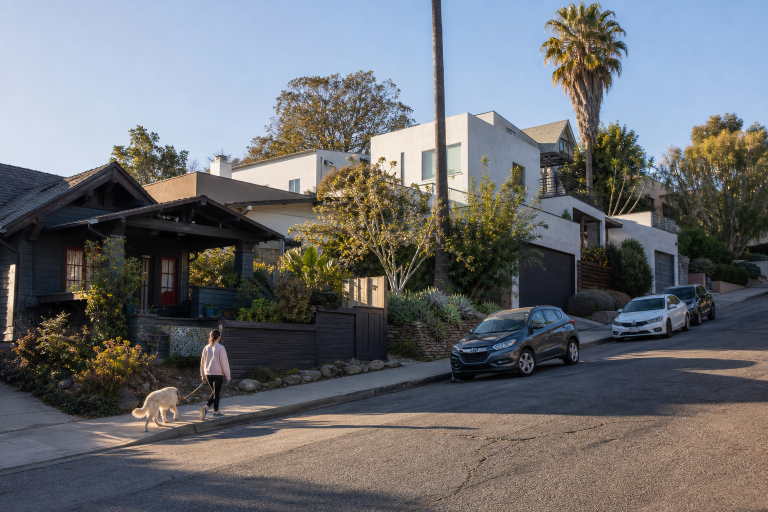
Silver Lake’s topography creates a neighborhood of quick transitions. One street may feel relatively level and connected to daily services, while the next rises sharply and ends in stairs, narrow turns, or a view-oriented hillside setting. That variation is central to the appeal, but it also affects practical decisions. A short distance on a map can involve a steep climb, and a driveway that looks ordinary in photos may require close attention to grade, clearance, and turning space.
The neighborhood’s history is closely tied to its reservoir, hills, and eclectic residential growth. Readers looking for broad geographic and historical context can explore Silver Lake’s neighborhood history before visiting in person. In practical terms, elevation can influence privacy, afternoon light, landscaping, drainage patterns, and the way a home connects to the street.
How Housing Styles Change the Experience
Silver Lake does not offer one standard housing formula. Craftsman homes and bungalows may have period details, front porches, and more traditional room layouts. Mid-century residences can emphasize glass, indoor-outdoor flow, and dramatic siting. Hillside contemporary homes may prioritize views and terraces, while apartments and smaller multi-unit buildings can place residents closer to shops and activity.
Style should not be mistaken for condition. An older home may have been carefully updated, while a newer-looking renovation may still warrant close review. Buyers should ask about permits, roofing, electrical and plumbing work, foundations, retaining walls, and any changes made to decks or exterior spaces. The site matters as much as the finishes.
What Daily Life Looks Like on Different Blocks
Life near an active corridor can make coffee, dining, errands, and casual meetups easier to reach. It can also mean more vehicle movement, delivery activity, pedestrian traffic, and evening noise. A quieter hillside street may offer greater separation from that activity, but the tradeoff can be more driving, steeper walks, and less spontaneous access to nearby businesses.
Personal priorities shape the right answer. One household may value walking to breakfast and meeting friends nearby. Another may prefer a garage, a quieter street, easier loading and unloading, or a flatter route for everyday errands. Silver Lake rewards buyers who define their routine before deciding which pocket of the neighborhood feels right.
Walkability, Stairs, and Short Trips
Walkability in Silver Lake is highly local. Distance matters, but so do slope, sidewalk conditions, crossings, heat, and whether the destination sits uphill or downhill from home. Public stairways can offer useful shortcuts and a distinctive way to experience the hills, yet they may not suit every schedule, mobility needs, or grocery run.
A car-light routine may be more achievable near established commercial areas, while other sections remain more car-dependent in practice. Test a likely route in daylight and again after dark. Pay attention to lighting, curb cuts, traffic speed, and how the climb feels when carrying a bag or walking with a pet.
The Main Tradeoffs to Consider
- Distinctive architecture: Character-rich homes can be memorable, but older systems and specialized repairs may require more research.
- Views and hillside settings: Elevation can improve outlook and privacy, but may come with steep access, tight driveways, or more complex exterior maintenance.
- Commercial convenience: Nearby shops and restaurants can support an active routine, but traffic and noise may be more noticeable.
- Varied property types: Buyers have choices, though comparing homes is less straightforward than in a neighborhood with uniform lots and layouts.
- Strong sense of place: Silver Lake’s identity is a major draw, but the best fit often depends on a very specific block rather than the neighborhood name alone.
A Smart Way to Tour the Neighborhood
- Visit twice. Compare morning activity with evening parking, traffic, and sound.
- Walk the real route. Travel from home to places you would actually use, such as grocery stores, parks, transit, or restaurants.
- Study the slope. Look at stairs, driveways, retaining walls, drainage paths, and the connection between the street and the front door.
- Check parking in person. Confirm garage dimensions, street restrictions, guest options, and the ease of entering or leaving the property.
- Look beyond staging. Ask informed questions about major systems, permits, and site improvements before treating a polished interior as the full story.
- Compare nearby blocks. A ten-minute walk can reveal substantial differences in sunlight, noise, privacy, and convenience.
What to Watch
Housing and construction conditions can change at a parcel level. Infill projects may introduce additional housing choices while also bringing temporary construction traffic, noise, and altered streetscape conditions. Before committing to a home near a vacant lot, large building site, or redevelopment area, review the City of Los Angeles zoning and parcel tools and ask qualified professionals about applications, entitlements, and nearby plans that could affect the property.
Final Thoughts
Silver Lake is best understood through the combined lens of land, architecture, and routine. The right Los Angeles home is not automatically the one with the newest kitchen or broadest view. It is the one that works with your walking habits, parking needs, maintenance comfort, preferred pace, and everyday sense of place.
