Key Takeaways
- Thoughtful hospital design enhances patient recovery and satisfaction.
- Natural elements and smart technology contribute to healing environments.
- Patient safety and comfort are paramount in healthcare settings.
Table of Contents
- Importance of Hospital Design
- Natural Elements in Healing
- Smart Technology in Patient Care
- Patient Safety and Comfort
- Conclusion
Creating a safe and supportive environment is crucial for patient recovery. From the aesthetics of a space to practical elements like hospital curtains, every aspect of healthcare facility design can strongly affect the healing process. Recent innovations show that patient outcomes, comfort, and satisfaction are deeply affected by the design of hospital rooms, corridors, and communal areas.
Healthcare spaces that focus on healing go beyond merely treating illness; they provide calm, reassurance, and even a sense of hope. Careful attention to lighting, noise levels, and spatial layout is just as important as clinical equipment. Welcoming elements and smart designs are transforming today’s hospitals into environments where healing is both deliberate and measurable.
Importance of Hospital Design
The physical layout of hospitals is one of the foundational factors for patient recovery. Rooms situated closer to nursing stations tend to result in better outcomes, largely because patients can receive faster attention to both urgent and routine needs. This proximity not only reduces response time but also gives patients the comfort of knowing help is always nearby. Hospital corridors, room locations, and logical floor plans directly affect how easily staff can care for patients and how secure patients feel during their stay.
Research published by PubMed underscores the relationship between hospital environments and patient satisfaction. Patients treated in thoughtfully designed facilities report less anxiety, fewer complications, and generally more positive experiences during their hospital stay. The design of healthcare settings, therefore, should not be overlooked in any serious discussion about recovery and outcomes.
In addition to affecting emotional well-being, architectural choices in hospital facilities can affect patient flow and infection control. For example, wide corridors and accessible handwashing stations help prevent the spread of contagious illnesses while reducing bottlenecks during peak times. Patient privacy is another critical design element. Modifications such as sound-absorbing materials and private rooms enable patients to share sensitive health information freely, thereby improving communication between patients and practitioners. This, in turn, helps avoid misunderstandings and assists clinicians in providing the best possible care, all of which is aided by the environment in which these conversations occur.
Natural Elements in Healing
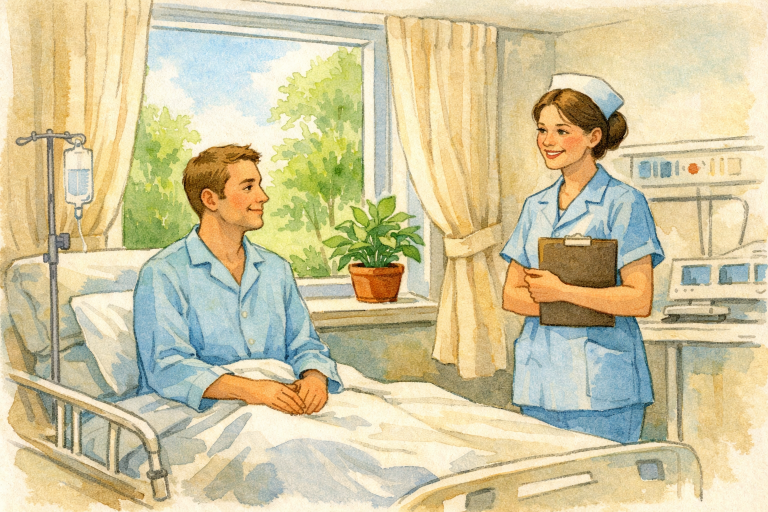
Nature helps reduce stress and promote healing in hospitals by including plants, green spaces, and natural light, which soothe anxiety and lessen pain. Patients and staff benefit from views of nature and natural decor, leading to quicker stress reduction and better morale. Elements like water features, textures, and daylight cycles support recovery and reduce medication needs. Such biophilic design also distracts and lifts spirits in children’s wards and long-term care, where staff also experience less burnout and higher job satisfaction, improving patient care.
Smart Technology in Patient Care
Today’s hospitals are increasingly adopting advanced technology to enhance patient care and efficiency. Smart hospital rooms with sensors, automated lighting, voice controls, and data sharing enable personalized care, freeing staff from administrative tasks. Hospitals like UW Medicine’s Harborview Medical Center in Seattle have pioneered AI-equipped rooms that improve recovery, especially in spine rehab. Technology reduces errors, improves safety, and enhances care quality. Patient apps and electronic records keep families and patients informed, fostering trust, while remote monitoring detects complications early after discharge. Seamless, secure data sharing benefits both patients and clinicians, enabling timely interventions. Innovations such as touchless handwashing stations, bedside tablets, and real-time tracking further streamline workflows and enhance safety in modern hospitals.
Patient Safety and Comfort
A key goal of hospital design is to maximize patient safety and comfort. Safety includes features like non-slip floors, clear signage, proper ventilation, trauma-informed environments, and privacy to protect dignity. Feeling safe physically and emotionally helps recovery. Comfort is enhanced by calming colors, quiet spaces, good lighting, and patient-controlled devices, which also reduce readmissions and improve cooperation. Flexible room features, such as movable furniture and adjustable beds, help patients adapt. Sound-absorbing materials, temperature controls, and soothing art create a healing sanctuary. Family-friendly elements, such as sleeper chairs and dedicated spaces, support patient-centered care. Addressing both safety and comfort fosters healing environments free of stress or discomfort.
Conclusion
Hospital design profoundly impacts patient recovery by integrating architectural features, natural elements, and technology to create healing, reassuring spaces. A holistic approach enhances safety, comfort, and well-being, leading to better outcomes. As research on patient-centered design advances, hospitals aim to humanize care and meet individual needs with innovative technology, green standards, and flexible spaces that respect privacy and empower patients during healing.
