Key Takeaways
- Protein forms the structural core of hair, so adequate intake is essential for growth and resilience.
- Omega-3 fatty acids help moisturize the scalp and hair, reduce inflammation, and support follicles.
- Essential vitamins and minerals like iron, zinc, and vitamin D contribute to healthy, thriving hair.
- Limiting sugar and alcohol intake may reduce the risk of excessive hair shedding.
Maintaining healthy hair is a concern shared by many men. While genetics play a significant role, the foods you eat and your daily habits can either support or undermine your hair’s growth and strength. Finding effective strategies, including exploring male hair growth products, begins with understanding how nutritional choices can affect your scalp and strands.
Developing a diet that fosters optimal hair health means choosing foods that fuel your follicles from the inside out. Protein, healthy fats, and vital vitamins all play a role in forming strong, resilient hair. By making informed choices, you can create a foundation for maintaining hair that looks and feels its best well into the future.
Relying solely on quick fixes or trendy solutions may not benefit your hair in the long term. A balanced, nutrient-rich diet ensures you address the foundational causes of hair issues. Additionally, current medical guidance from the American Academy of Dermatology underscores the importance of healthy lifestyle habits for both preventing and treating hair thinning.
If you suspect an underlying health condition is contributing to your hair changes, seek expert evaluation before making any drastic dietary adjustments. Building strong, lustrous hair is most effective with a holistic, consistent approach.
Protein: The Building Block of Hair
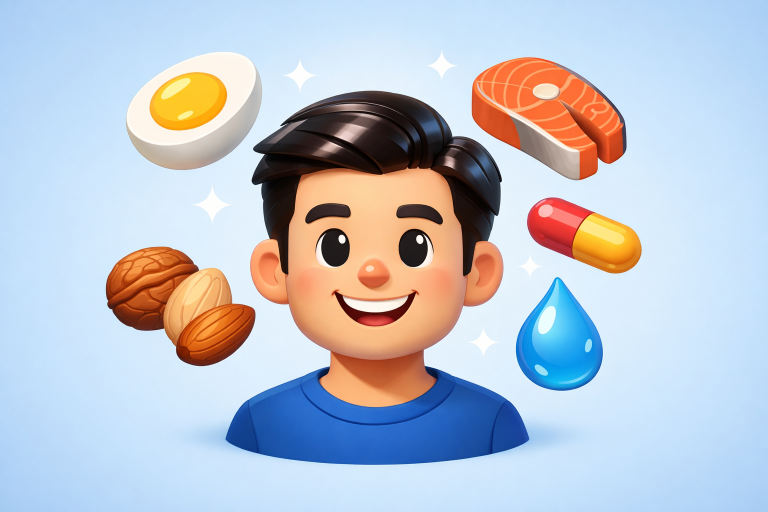
Keratin, the primary protein in human hair, is made from amino acids. Without a steady supply of dietary protein, your body cannot efficiently create or maintain healthy hair. Foods like lean meats (chicken, turkey, beef), fish, eggs, Greek yogurt, beans, and lentils are all excellent sources of nutrients that support growth and hair strength.
Plant-based eaters should pay special attention to protein intake, combining sources such as beans with whole grains or seeds to ensure a complete amino acid profile. In addition to main meals, small protein-rich snacks like a handful of nuts or a hard-boiled egg can keep your levels steady throughout the day, providing consistent support not only for hair but also for muscle recovery and immune function.
How Much Protein Is Enough?
Aim for 0.8 to 1 gram of protein per kilogram of body weight daily, as recommended by medical professionals. Consistent intake of protein sustains hair’s structure and elasticity, reducing breakage and making your hair appear fuller and healthier over time.
Omega-3 Fatty Acids: Nourishing the Scalp
Omega-3 fatty acids can improve the health of scalp skin and hair follicles, helping reduce inflammation that harms growth. The best sources in a typical diet include cold-water fish like salmon, mackerel, and sardines. Men seeking vegetarian or vegan alternatives can benefit from walnuts, chia seeds, and flaxseeds.
Consuming these healthy fats not only supports hair health but is also crucial for joint, skin, and heart well-being. Strive to include omega-3 sources at least a couple of times each week for both immediate and long-term results.
In addition to dietary sources, some individuals may consider taking fish oil or algal oil supplements if dietary intake is insufficient. Omega-3 fatty acids are also known for improving circulation, which helps deliver vital nutrients to your scalp and supports a vibrant growth environment for new hair. Just remember to consult your healthcare provider before starting any new supplement regimen to avoid potential interactions with other medications.
Vitamins and Minerals: Essential Nutrients for Hair
Specific nutrients help your hair grow and stay strong:
- Iron: Proper oxygen delivery to hair roots is necessary for growth. Iron-rich foods such as spinach, lean beef, lentils, and shellfish safeguard against deficiency-related hair loss.
- Zinc: Key for tissue growth and repair, zinc helps keep the oil glands around hair follicles functioning properly. Nuts, seeds, seafood, and whole grains offer excellent sources.
- Vitamin D: This vitamin may help create new hair follicles and support the immune system. Sunlight is a primary source, but fortified foods and supplements can help maintain optimal levels, especially during winter months or if you spend little time outdoors.
Even minor deficiencies in these nutrients can contribute to noticeable thinning or breakage, highlighting the importance of a diverse, nutrient-rich diet. In addition, B vitamins, particularly biotin, play a supporting role in cellular energy production and metabolic health, which can indirectly aid strong hair growth. Make sure your meals cover a broad range of colors and food types to maximize nutritional variety and benefit.
Limit Sugar and Alcohol Intake
Overconsumption of refined sugar and alcohol can negatively impact hair health. Sugary foods and drinks can spike hormones that disrupt the hair growth cycle, while excessive alcohol dehydrates the body and restricts nutrient absorption. Reducing these substances and choosing water, sparkling water, or unsweetened tea supports strong, hydrated hair.
Building better dietary habits doesn’t mean giving up every indulgence. Moderation is key; small, consistent changes are the most sustainable and yield the best long-term results for both your hair and your overall health. By finding healthier alternatives and planning balanced meals, you support all your body’s tissues, including your hair.
Hydration: Keeping Hair Moisturized
Proper hydration allows hair shafts to retain moisture, preventing splits and frizz. Experts recommend drinking roughly eight to ten cups of water daily, but more may be needed if you lead an active lifestyle or live in a hot climate. A well-hydrated body results in vibrant, shinier hair and a healthier scalp environment.
If your hair and scalp often feel dry, aim to spread your water intake throughout the day rather than consuming large amounts at once. Remember, caffeinated and alcoholic beverages can dehydrate you, so counteract them with extra water whenever possible.
Balanced Diet: A Holistic Approach
While focusing on hair-enhancing nutrients is important, an overall balanced diet is what truly nourishes your body. Diets like the Mediterranean diet, rich in seasonal fruits, vegetables, legumes, whole grains, nuts, olive oil, and fish, have been linked to reduced risk of male pattern baldness and improved hair vitality over time.
Pair your dietary improvements with adequate sleep, regular exercise, and proper scalp care for the best results. Simple practices like managing stress through mindfulness or yoga can also support hormonal balance, which is another crucial factor in hair retention and growth.
Conclusion
Although you cannot alter your genetic makeup, making mindful choices about what you eat and drink can significantly influence your hair’s health and development. Incorporating proteins, healthy fats, essential vitamins, minerals, and maintaining a balanced diet provides the nutrients your hair needs to flourish. Consult a healthcare provider before making major dietary changes or beginning supplementation, especially if you have specific health concerns or unexplained hair loss.
