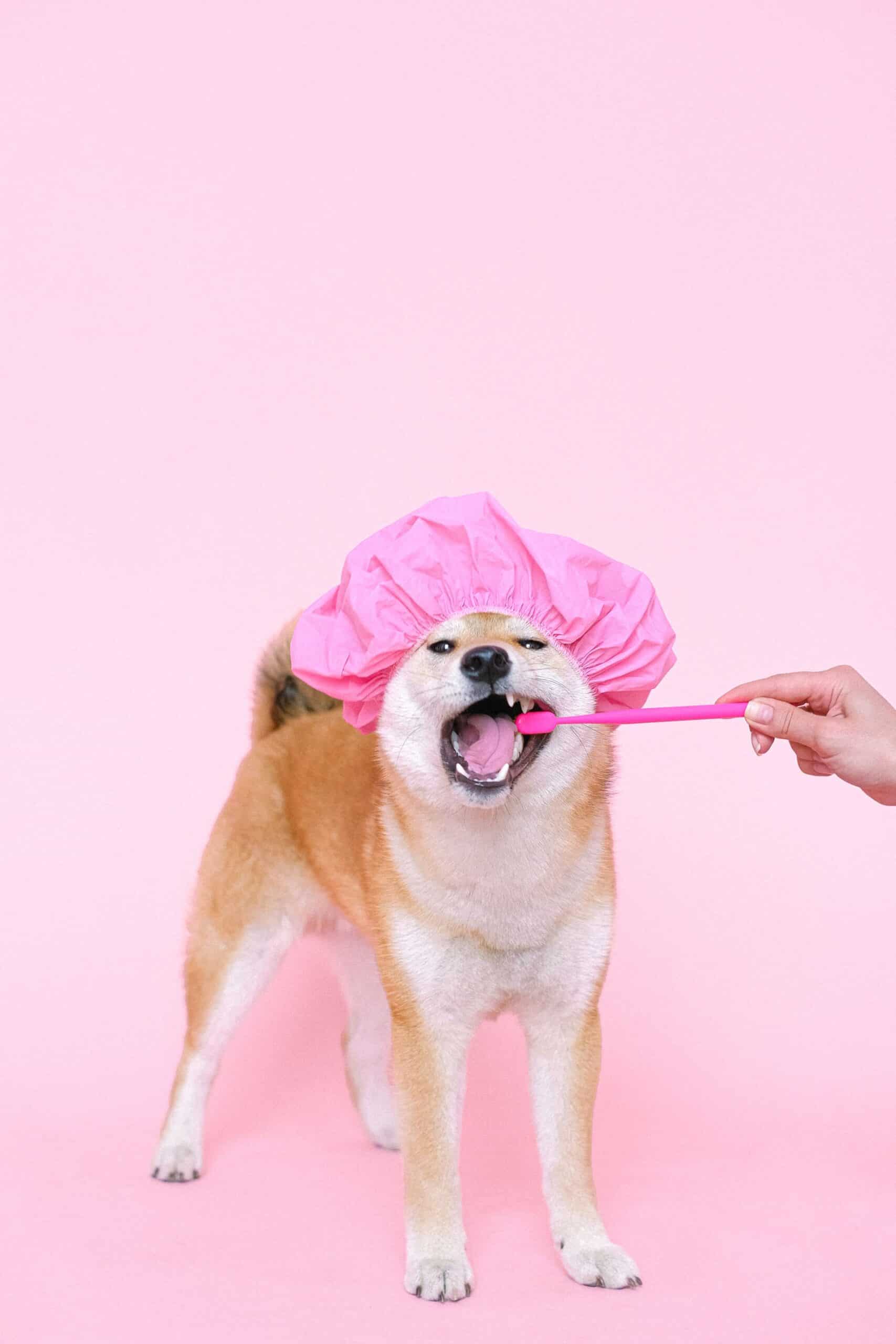
Dental problems are really common in dogs and cats. More common than most people probably realise. And the tricky part? Pets are very, very good at hiding them.
A dog can have a painful tooth and still run to the door when someone comes home. A cat can have sore gums and still ask for dinner. So everything looks fine. Until it isn’t.
That’s why dental disease often gets missed in the beginning. The signs are there, but they’re small. Maybe a pet is eating a little slower. Maybe their breath suddenly smells terrible. Or they don’t want anyone touching their face anymore. Easy things to ignore. But worth paying attention to.
That Bad Breath Might Be Trying to Tell You Something
Dog breath isn’t exactly known for smelling great. Still, there’s normal dog breath. And then there’s something is definitely going on in their breath.
If the smell is strong, unpleasant and just doesn’t go away, bacteria could be building up around the teeth and gums. There may also be plaque, inflammation or an infection starting somewhere in the mouth. And no, giving them a dental chew every now and then probably won’t fix the actual problem. Bad breath is often one of the first signs owners notice. Unfortunately, it’s also one of the easiest to ignore.
Suddenly Taking Forever to Eat?
This one can be confusing because the pet is still eating. So, naturally, everything seems okay. But look a little closer. Are they chewing only on one side? Dropping pieces of food? Walking away from the bowl and then coming back? Taking much longer to finish? Some dogs suddenly stop wanting hard food. Others still eat it, just very carefully.
Cats can make things even harder to figure out. They might go to the bowl like normal but eat less each time. Or seem interested in food, take a few bites and leave. It can look like fussiness. Sometimes it is. Sometimes their mouth just hurts.
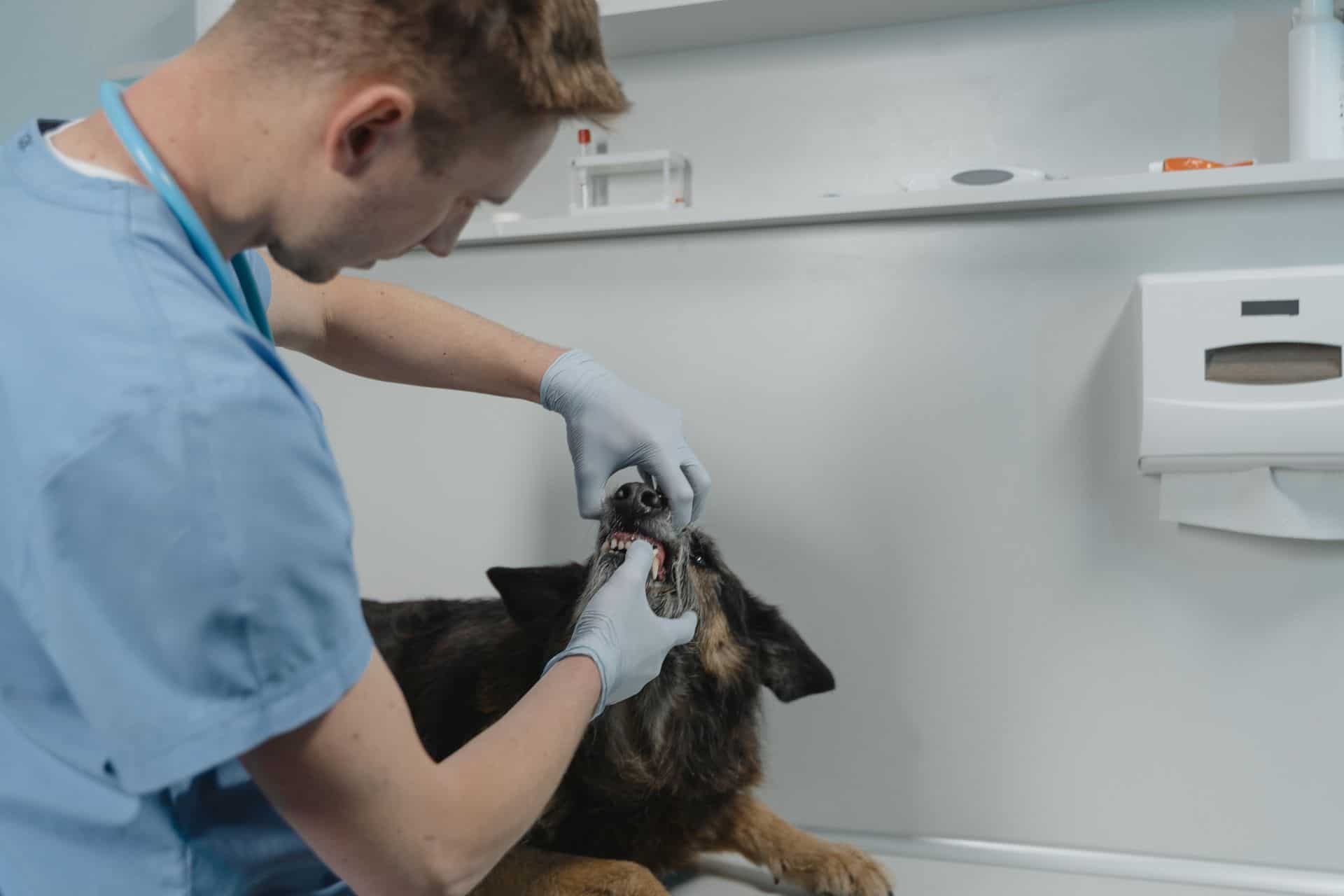
Check the Gums Too
Most people look at their pet’s teeth. The gums? Not so much. But healthy gums should generally look pink. If they’re very red, swollen or bleeding, something may be wrong.
The bleeding might not even be obvious. Sometimes it’s just a tiny pink or red mark on a chew toy. Or a little blood around the gum line. Very easy to miss if nobody is looking for it.
A Messy Coat Can Actually Be a Dental Problem
Especially with cats. Cats are usually pretty serious about keeping themselves clean. So when a cat suddenly stops grooming properly, it’s worth wondering why. And yes, teeth can be the reason.
Grooming means licking. A lot of licking. If moving the mouth or tongue is painful, a cat may simply do less of it. Then the coat starts looking different. A little greasy. Tangled. Messier than usual. It doesn’t immediately scream dental problem. Which is exactly why it gets missed.
They Don’t Want Their Face Touched Anymore
Maybe a dog always loved chin scratches. Now they pull away. Or a cat suddenly gets irritated when someone touches the side of their face. That change matters.
Pets with dental pain can become protective of their mouth and jaw. Some stop playing with chew toys. Others become quieter or start hiding more often. The important thing here isn’t one specific behaviour. It’s the change. You know what’s normal for your pet. When something suddenly isn’t normal anymore, there’s usually a reason.
The Teeth Can Look Fine; That Doesn’t Mean They Are
Here’s another problem. A quick look inside the mouth doesn’t show everything. Actually, quite a lot of dental disease develops below the gum line. So the visible part of the teeth might not look particularly bad. Meanwhile, there can be inflammation or infection underneath.
This is why simply checking the teeth at home isn’t always enough. There’s only so much anyone can see.
And It Doesn’t Always Stay in the Mouth
This is where dental health becomes more serious. It’s easy to think of bad teeth as just that. Bad teeth. But ongoing dental disease means ongoing inflammation and bacteria.
In more advanced cases, bacteria linked to periodontal disease can enter the bloodstream and travel to other parts of the body. Poor dental health has been associated with problems involving organs including the heart, liver and kidneys. Then there’s the pain itself.
Living with a painful mouth every day can affect how much a pet eats, plays and interacts with people. They might become quieter. Sleep more. Stop playing. And with older pets, those changes are often blamed on age. Sometimes too quickly.
So, What Does Food Have to Do with It?
Quite a bit. But also not everything. Good nutrition helps support healthy tissues and normal immune function. Some dental diets are also made with particular kibble shapes and textures that provide a mechanical cleaning effect while a dog chews. That can help.
But there’s a common misunderstanding here. Regular dry food does not automatically clean a dog’s teeth just because it’s crunchy. And changing food won’t magically fix dental disease that’s already there. Still, diet is part of the bigger picture.
Many owners now look beyond price and flavour when they buy dog food. Ingredients matter. Nutritional balance matters. So does choosing food that actually suits the dog’s age, size and individual health needs. Food supports health. It just can’t do the whole job alone.
Yes, Brushing Helps
Probably not the answer most pet owners want to hear. But yes. Brushing is still one of the best things that can be done at home to reduce plaque build-up. Is every dog or cat going to happily sit there while someone brushes their teeth? Absolutely not. Especially at first.
Starting slowly usually makes more sense. Let them get used to having their mouth touched. Then introduce the toothbrush. Then the toothpaste. And always use toothpaste made specifically for pets.
Human toothpaste is for humans. Pets swallow toothpaste, and some ingredients in human products can be unsafe for them.
Dental Chews Are Helpful. But They’re Not Magic
Dental chews can be useful. Some are designed to help reduce plaque as the pet chews. Great. But giving a dog a dental chew doesn’t mean dental care is now sorted forever. Chews are extra help. That’s it. They can’t treat an infected tooth. They can’t remove serious tartar below the gums. And they definitely can’t replace a veterinary examination when something seems wrong.
Don’t Wait Until They Stop Eating
This is probably the biggest mistake. Waiting for an obvious sign. A pet refusing food completely. A swollen face. A loose tooth. Blood. By then, the problem may have been developing for months. Maybe longer.
Regular dental checks give vets a chance to find problems much earlier. And if there’s disease or tartar below the gum line, professional cleaning may be needed. Not exactly fun. But much better than leaving a pet in pain.
It’s Usually the Small Stuff
That’s really what pet dental health comes down to. Noticing small things. The suddenly terrible breath.
The dog that now takes twice as long to eat dinner. The cat whose coat looks a little messy. The favourite chew toy sitting untouched. Pulling away from chin scratches. All of these signs can easily be ignored. Since pets don’t always make it obvious when something hurts. Sometimes they just adjust. Eat differently. Play less. Become quieter. So pay attention to the little changes.
Check their mouth occasionally. Notice how they eat. Brush their teeth when possible. Choose a sensible diet. Keep up with veterinary checks. Nothing complicated. Just small habits. Because when it comes to dental disease, catching the small signs early can save a pet from a lot of pain later.
