Key Takeaways
- Summer programs present unique occasions for youth to learn practical life skills in a supportive and inspiring environment.
- Personal and interpersonal development are core aspects of high-quality summer programming.
- Diverse summer offerings are available for different ages, interests, and learning styles.
Table of Contents
- Importance of Life Skills
- Types of Summer Programs
- Benefits of Participation
- Choosing the Right Program
- Conclusion
Summer offers a unique chance for young individuals to step beyond the classroom and nurture vital life skills, setting a strong foundation for their future. Programs designed for personal development are not only productive ways to spend the break but also create opportunities for growth, independence, and lifelong friendships. Whether youth attend a specialized summer camp or select a summer camp for middle schoolers, the experience promises a range of practical and social benefits that last well beyond the season.
In a world that values adaptability, problem-solving, and emotional intelligence, summer programs provide structured environments where these attributes can be cultivated. Learning outside of a traditional school setting helps instill responsibility and self-reliance, while opportunities to work with peers add another layer of interpersonal development. The diversity of modern programs means every child can find a summer experience that speaks to their interests and challenges them in new ways.
These formative experiences play a significant role in preparing youth for the complexities of adult life. They learn how to set and achieve personal goals, communicate ideas, and adapt to changing circumstances, all skills recognized as essential by leading experts in child and adolescent development. As families seek meaningful ways for children to engage during the summer months, an ever-expanding selection of offerings allows for highly personalized growth experiences.
Understanding the different options and the value each program offers will help parents and young people make the best choice. This guide will explore the importance of life skills, highlight the variety of summer programs available today, break down key benefits, and offer advice on making the right selection for each individual’s needs.
Importance of Life Skills
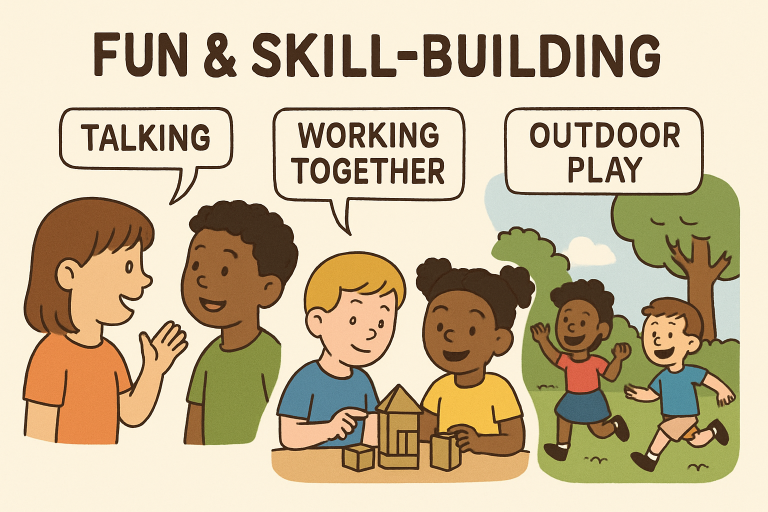
Life skills are crucial competencies, such as communication, emotional regulation, problem-solving, and adaptability, that enable individuals to manage daily challenges and thrive in new situations. Mastering these skills early contributes to greater academic achievement and healthier personal relationships, as noted by the American Academy of Pediatrics. The summer months, free from academic obligations, provide prime opportunities for young people to develop these abilities through meaningful, hands-on experiences.
Summer programs are designed to integrate lessons in self-management, leadership, and teamwork into their activities, giving participants a comprehensive toolkit for navigating growing responsibilities. This blend of personal challenge and social engagement helps foster resilience and equips youth to adapt to both familiar and unfamiliar settings.
Types of Summer Programs
The landscape of summer programs is diverse, offering options for every personality and interest. Here are a few standout examples:
- SuperCamp. An internationally recognized summer camp offering accelerated learning in both academics and life skills. Students focus on communication, relationship-building, and leadership.
- Camp ASPIRE. A virtual summer camp run by clinical psychology graduate students at Arizona State University, it teaches strategies for managing stress and thriving socially.
- Intergenerational Summer Camp. Based in Fullerton, California, this camp connects children with their grandmothers, focusing on cooking, crafts, and intergenerational bonds.
Beyond these, organizations such as the YMCA and 4-H clubs offer additional reputable summer programs that focus on social, emotional, and practical skill development.
Benefits of Participation
Participating in life-skills-focused summer programs offers a wide array of benefits that can positively affect a young person’s future. Some of the primary benefits include:
- Enhanced Social Skills. Young people learn to build friendships, navigate group dynamics, and strengthen their communication skills in a supportive environment.
- Increased Independence. Youth gain confidence by learning how to make daily decisions, complete tasks, and take initiative in unfamiliar settings.
- Improved Self-Esteem. Overcoming new challenges and achieving goals leads to higher self-worth and positive self-image.
- Broadened Horizons. Exposure to new experiences introduces participants to interests and talents they might not discover in their regular routines.
Research consistently shows that youth with strong life skills demonstrate greater resilience and adaptability as adults.
Choosing the Right Program
With so many summer camps and programs to consider, evaluating each option thoughtfully is important. Look for these critical factors when making your choice:
- Interests and Goals. Match the program’s focus to the student’s needs and interests, ensuring they are motivated to participate actively.
- Program Reputation. Investigate testimonials, success stories, and third-party reviews for a clear sense of the program’s strengths and outcomes.
- Qualified Staff. Staff experience and training contribute greatly to participants’ safety and learning.
- Safety Measures. Appropriate policies for supervision, health, and emergency response are essential for peace of mind.
- Cost and Accessibility. Assess the investment required and consider payment plans or scholarships where available. Also, consider logistical factors like program location and session duration.
Discussing expectations and preferences as a family will ensure a positive, rewarding summer experience tailored to each child’s particular needs.
Conclusion
Choosing the right summer program is an investment in a young person’s growth and success. Beyond keeping youth engaged through break, these programs foster independence, leadership, and other core life skills necessary for today’s fast-changing world. With careful planning, summer can become a season of transformative learning, friendship, and lifelong confidence, skills every child deserves to carry into adulthood.
