Key Takeaways
- Regular maintenance helps identify and address minor issues before they escalate into major problems.
- Consistent upkeep enhances vehicle safety and performance.
- Proper care can significantly extend your vehicle’s lifespan and increase its resale value.
Table of Contents
- Introduction
- Importance of Regular Maintenance
- Essential Maintenance Tasks
- Benefits of Consistent Upkeep
- Conclusion
The longevity, safety, and reliability of your car depend largely on regular maintenance. Every vehicle owner knows that unexpected breakdowns are more than inconvenient; they are often expensive and arrive at the most inopportune times. Routine maintenance does more than just help you avoid inconvenient moments; it is essential for maintaining your vehicle’s performance, protecting its safety features, and ultimately retaining its value. Taking action early is key, and sticking to a maintenance schedule is the best way to keep your car on the road while saving money over the long haul. Practicing preventive maintenance can save you from major financial headaches down the line, and the peace of mind that comes with a well-maintained car is invaluable. Learn more about the importance of maintenance solutions and the experts ready to help.
Routine checks and services not only reduce repair risks but also give you genuine peace of mind behind the wheel. Most vehicle problems start small and can be quickly addressed if detected early. When maintenance is neglected, however, those minor issues may grow into major ones, turning an affordable fix into a costly or even dangerous repair. Proactive attention to your vehicle is an investment, not just in its current performance but also in its future reliability. By being attentive to your car’s needs, you ensure safer drives for you and your passengers and significantly reduce the risk of sudden, expensive trouble.
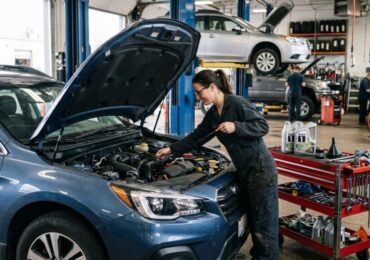
Importance of Regular Maintenance
Staying ahead of major automotive issues begins with routine inspections and timely service appointments. Every component of your car relies on proper care to function safely and efficiently. Skipping even one oil change or forgetting to top off vital fluids can accelerate wear and tear on integral systems, increasing the risk of breakdowns and unexpected bills. According to Consumer Reports, consistent preventive maintenance is one of the most effective ways to keep repair costs in check and maintain your vehicle’s operational integrity.
Minor issues, such as worn brake pads or a weak battery, may seem unimportant when first noticed, but these problems can worsen over time if ignored. For example, an oil change might cost a fraction of what engine repairs do, yet delaying this simple task could put you at risk of catastrophic engine failure that might leave you stranded and facing a hefty repair bill. Furthermore, neglecting maintenance might compromise key safety systems, increasing the risk of accidents caused by faulty brakes, worn tires, or poor visibility due to degraded windshield wipers or low washer fluid. Regular maintenance is not just about mechanical health, it’s about keeping you and your loved ones safe on the road every day.
Essential Maintenance Tasks
There are several essential tasks every car owner should schedule regularly to keep a vehicle running smoothly and reliably. Creating a simple maintenance log and adhering to manufacturer-recommended intervals ensures you remain aware of what needs attention next. Below are some basic, but vital, upkeep measures:
- Oil Changes: Engine oil reduces friction and heat inside the engine. Replacing it every 5,000 to 7,500 miles prevents the buildup of contaminants that can damage internal components. Clean oil also helps engines run more smoothly and prolongs engine life.
- Brake Inspections: Checking brake pads, rotors, and fluid levels ensures your car maintains responsive stopping power when you need it most. Worn pads or low fluid can lead to longer stopping distances and, if not replaced promptly, can cause expensive damage to rotors and calipers.
- Tire Maintenance: Properly inflating your tires, checking for tread wear, and rotating them every 5,000 to 8,000 miles extends their life and improves both fuel efficiency and safety. Poor tire maintenance can lead to alignment issues, uneven wear, or dangerous blowouts.
- Fluid Checks: Besides engine oil, your vehicle relies on several other fluids—such as coolant, transmission fluid, and brake fluid—to operate efficiently. Regularly topping up and replacing these fluids helps avoid overheating and protects mechanical systems from premature wear or failure.
- Battery Maintenance: Testing the battery and cleaning terminals at least a couple of times a year can prevent starting issues and avert electrical malfunctions, especially in extreme weather conditions.
Even modern vehicles with high-tech diagnostic systems still depend on these simple maintenance tasks to avoid costly repairs and hazardous driving conditions. High-tech alerts can be helpful, but they are no substitute for hands-on checks and preventive care.
Benefits of Consistent Upkeep
The most immediate benefit of regular maintenance is clear cost savings. For example, replacing brake pads promptly, which generally costs between $150 and $300, can stop rotor damage that could escalate your repair bill to well over $1,000. Regular checks also keep your manufacturer’s warranty valid, which may save you thousands of dollars on unexpected repairs caused by defects. Keeping up with maintenance doesn’t just save money, it also makes driving less stressful and more enjoyable.
- Cost Savings: Early intervention prevents minor issues, such as small leaks or low fluid levels, from becoming serious repairs, such as engine or transmission replacement. Fixing minor problems is virtually always less expensive than waiting until they become major emergencies.
- Enhanced Safety: Well-maintained vehicles are much less likely to experience mechanical failures that could lead to dangerous situations on the road. Checking systems frequently—especially brakes, tires, and lights—ensures that your vehicle remains safe to operate in all conditions.
- Improved Performance: Cars that receive regular oil changes, air filter replacements, and spark plug inspections deliver smoother rides, better acceleration, and more consistent fuel economy. You’ll also notice that your vehicle is more responsive and less likely to suffer from unexpected power loss or stalling.
- Extended Vehicle Lifespan: Following scheduled maintenance intervals helps your car last longer and retain more of its value. Not only does this maximize the return on your investment, but it also gives you the flexibility to sell or trade in your car at a better price when the time comes.
For those eager to better understand their maintenance schedule, many automakers provide official scheduling tools and clear recommendations in the owner’s manual and on their websites.
Conclusion
Committing to regular vehicle maintenance is the most effective way to avoid costly repairs, stay safe, and ensure your investment lasts for years. Routine service does more than just catch issues early; it keeps your vehicle performing at its best every day and reduces the risk of unplanned breakdowns. By trusting professionals and following manufacturer guidelines, you protect yourself from unexpected troubles and ensure you always have a reliable mode of transportation. With a proactive approach, you’ll gain peace of mind, spend less on repairs, and enjoy the confidence that comes with a dependable vehicle.
