
In today’s business world, an effective online presence is no longer optional. It is essential for growth and reaching your audience. Many businesses, however, still lack a clear plan; nearly 45% lack a defined digital marketing strategy.
Digital marketing uses online channels to connect with potential customers. This includes everything from search engines to social media and email. The scale of this online activity is immense. Nearly 90% of people in North America have internet access, and by 2024, global e-commerce sales are expected to exceed $6.3 trillion. People are also highly engaged on their devices, spending an average of 4 hours and 39 minutes daily on their phones.
Understanding this dynamic landscape is key to success. This extensive guide will help small businesses and brands navigate the digital marketing ecosystem. We will cover core strategies, how to set clear goals, identify high-ROI tactics, and provide a step-by-step guide to strategy development. We will also address common challenges, ensuring you can build a robust, effective online presence through proven methods such as organic-first digital marketing strategies.
A comprehensive digital marketing strategy is built upon several interconnected channels, each playing a crucial role in reaching, engaging, and converting your target audience. Understanding these pillars is fundamental to crafting a robust online presence.
Search Engine Optimization (SEO)
Search Engine Optimization (SEO) is the practice of increasing the quantity and quality of traffic to your website through organic search engine results. It involves optimizing your website’s content, structure, and backlink profile to rank higher in search engines like Google. The goal is to appear prominently when potential customers search for products or services related to your business.
For many businesses, SEO is the bedrock of their digital presence. It drives organic traffic, which is highly valuable because users are actively searching for solutions your business might provide. Unlike paid advertising, SEO-generated traffic is “free” in the sense that you don’t pay per click, making it a sustainable long-term investment. To learn more about this foundational element, explore What is SEO? Who is it a good fit for? Effective SEO strategies often incorporate organic-first digital marketing strategies that prioritize creating valuable, user-centric content designed to naturally attract search engine visibility.
Content Marketing
Content marketing focuses on creating and distributing valuable, relevant, and consistent content to attract and retain a clearly defined audience — and, ultimately, to drive profitable customer action. This can include blog posts, articles, videos, infographics, podcasts, and more. The aim is to educate, entertain, or inspire your audience, establishing your brand as a trusted authority. Instead of directly selling, content marketing tells a story, builds brand authority, and nurtures relationships over time. This approach is a key component of a broader What is Digital Marketing? strategy, providing the substance that fuels other channels.
Email Marketing
Despite the rise of newer channels, email marketing remains one of the most effective digital marketing strategies, with an impressive average ROI of $36 per $1 invested. It allows for direct, personalized communication with your audience, fostering loyalty and driving conversions. From newsletters to promotional offers and transactional emails, personalization is key. For example, a subject line like “Katie, a special offer just for you” can significantly boost open rates. Building an email list is a critical step in How to Create a Marketing Strategy for Your Small Business.
Social Media Marketing
Social media marketing involves using social media platforms to connect with your audience to build your brand, increase sales, and drive website traffic. Platforms like Facebook, Instagram, TikTok, and LinkedIn offer unparalleled opportunities for engagement. In 2023, 86% of industry professionals stated that increased exposure to their company was the leading benefit of social media marketing, with 76% also citing increased website traffic as a major advantage. Our dedicated Social Media page delves deeper into leveraging these platforms effectively.
Affiliate Marketing
The affiliate marketing industry was estimated at $13 billion in 2023, highlighting its significant growth and potential. This strategy involves partnering with individuals or other businesses (affiliates) who promote your products or services and earn a commission on sales or leads generated through their unique referral links. It’s a performance-based marketing channel that leverages influencers’ and content creators’ reach and trust.
Video Marketing
Video content has exploded in popularity, with platforms like YouTube and TikTok dominating consumer attention. Video marketing involves using videos to promote your brand, products, or services. This can range from short, engaging social media clips to longer, informational tutorials or brand stories. Videos are highly effective for capturing attention, conveying complex information, and building emotional connections with your audience.
SMS Marketing
While often overlooked, SMS marketing can be highly effective. More than half of consumers reply to texts within two minutes, and 70% have opted in to receive texts from businesses. This direct communication channel offers high open rates and immediate engagement, making it ideal for time-sensitive offers, appointment reminders, or quick updates.
Here’s a quick comparison of SEO and PPC, two fundamental pillars:
Feature Search Engine Optimization (SEO) Pay-Per-Click (PPC) Advertising Objective Increase organic (unpaid) visibility and traffic Drive immediate, targeted traffic through paid ads Cost Model No direct cost per click; investment in content, optimization, links Pay per click (CPC) or impression (CPM) Time to Results Longer-term strategy (weeks to months for significant impact) Immediate results (ads appear as soon as they are live) Sustainability Sustainable, evergreen traffic once established Requires continuous budget; traffic stops when budget runs out Control Less direct control over ranking algorithms Full control over ad copy, targeting, budget, and placement Credibility Often perceived as more credible by users (organic results) Clearly marked as “Ad”; can still build trust with good targeting Best For Long-term brand building, authority, consistent lead flow Immediate visibility, promotions, testing keywords/offers 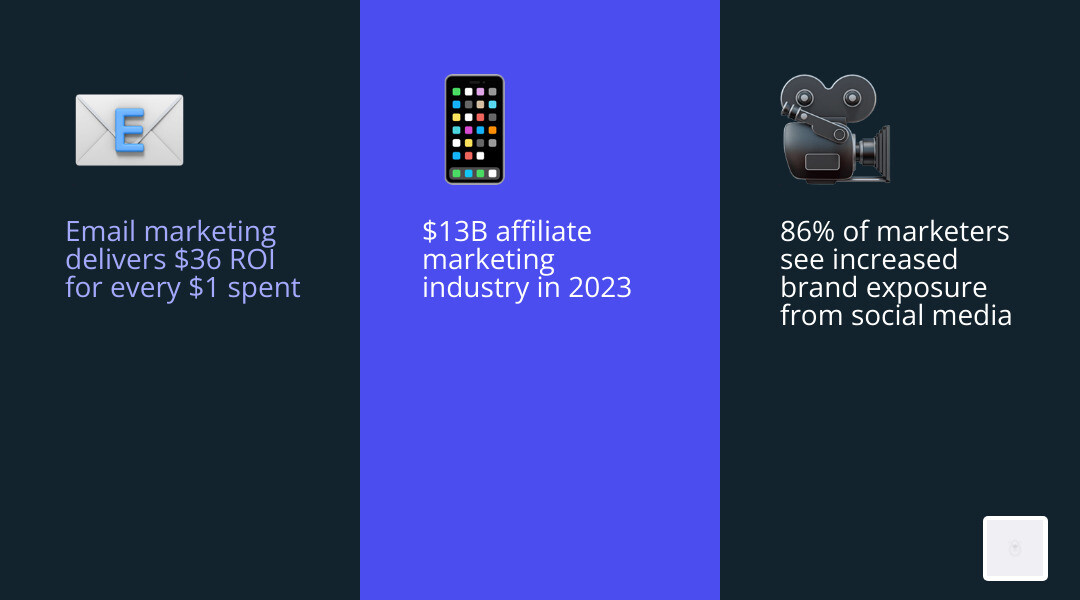
Defining Goals and Measuring Success
A digital marketing strategy without clear goals is like a ship without a compass. To ensure your efforts are effective and yield a positive return, we must define specific objectives and establish measurable key performance indicators (KPIs).
The SMART framework is an excellent tool for setting goals:
- Specific: Clearly define what you want to achieve. Instead of “increase sales,” aim for “increase online sales of product X by 20%.”
- Measurable: Quantify your goals to track progress. How will you know if you’ve succeeded?
- Attainable: Set realistic goals that are challenging but achievable given your resources and market conditions.
- Relevant: Ensure your digital marketing goals align with your overall business objectives.
- Time-bound: Give your goals a deadline. This creates urgency and helps with planning.

Aligning Digital Marketing Strategies with Business Objectives
Digital marketing should never operate in a silo. Its success is intrinsically linked to how well it supports and drives your broader business objectives. Whether your aim is business growth, enhanced brand awareness, consistent lead generation, improved customer retention, or hitting specific revenue targets, your digital strategy must be a strategic mapping of online activities to these overarching goals.
For instance, if a business goal is to expand into a new geographic market, the digital marketing strategy might focus on localized SEO, targeted paid advertising campaigns in that region, and content tailored to the local audience. This alignment ensures that every dollar and hour invested in digital marketing contributes directly to the company’s strategic vision, optimizing resource allocation and maximizing impact. Our guide on How to Create a Marketing Strategy for Your Small Business emphasizes this crucial alignment.
Key Performance Indicators for Tracking Impact
Once goals are set, identifying the right Key Performance Indicators (KPIs) is essential for monitoring progress and making data-driven adjustments. KPIs help us quantify the success of our efforts and identify where improvements are needed.
Common digital marketing KPIs include:
- Click-Through Rate (CTR): The percentage of people who click on your ad or link after seeing it.
- Conversion Rate: The percentage of website visitors who complete a desired action, such as making a purchase or filling out a form.
- Customer Acquisition Cost (CAC): The average cost of acquiring a new customer.
- Return on Investment (ROI): The profitability of your marketing campaigns.
- Customer Lifetime Value (CLV): The total revenue a business can expect from a single customer account.
- Engagement Metrics: Likes, shares, comments, time on page, bounce rate, etc., indicating how users interact with your content.
Leveraging web analytics tools like Google Analytics is crucial for tracking these metrics. Unfortunately, 80% of digital marketing leaders struggle to define a consistent set of metrics and methods for measuring multichannel impact, and 57% of organizations with connected data sources say marketing analytics still hasn’t had the expected impact on decision-making. This highlights the importance of clear KPI definition and consistent data-driven refinement.
High-ROI Tactics for Modern Brands
To truly stand out and achieve significant returns, modern brands must embrace tactics that resonate with today’s digitally native consumers. These strategies often leverage technology and data to create more impactful and personalized experiences.
Personalization and User-Generated Content
Consumers today expect personalized experiences. A staggering 86% of customers welcome some personalized communication. However, there’s a fine line: 55% will stop engaging if it feels invasive, and 40% will disengage if it’s irrelevant. The key is to use data to provide helpful, relevant personalization without crossing into intrusive territory.
User-generated content (UGC) is another powerful tactic. Content created by your customers, such as reviews, photos, or videos, is often perceived as more authentic and trustworthy than brand-created content. Campaigns that encourage users to share their experiences with your products or services can generate significant buzz and social proof. Apple’s “Shot on iPhone” campaign is a prime example, showcasing the power of its camera through user-submitted macro photos, which were then featured across various channels.
Influencer Partnerships and Short-Form Video
Influencer marketing has become a cornerstone of many successful digital strategies. Partnering with influencers, particularly micro-influencers (those with 10k-99k followers), can provide access to highly engaged, niche audiences. Myprotein, for instance, successfully used social media and affiliate marketing by collaborating with fitness influencers to promote exclusive bundles, leveraging the influencers’ credibility and reach.
Short-form video content, popularized by platforms like TikTok and Instagram Reels, offers immense opportunities for rapid engagement and brand visibility. These bite-sized videos are highly shareable and can quickly go viral, making them ideal for product showcases, behind-the-scenes glimpses, or engaging challenges.
Leveraging Data-Driven Digital Marketing Strategies
At the heart of high-ROI digital marketing lies the intelligent use of data. This involves collecting and analyzing first-party data (information collected directly from your customers), consumer insights, and leveraging predictive modeling to anticipate customer behavior. Marketing automation tools can then use these insights to deliver personalized content and offers at scale. This data-driven approach allows for continuous performance optimization and scalability, ensuring that resources are allocated to the most effective channels and campaigns. However, as noted earlier, many organizations struggle to fully realize the impact of their marketing analytics, underscoring the need for robust data infrastructure and analytical capabilities.
Navigating Privacy and Personalization
With growing concerns about data privacy and the introduction of regulations such as GDPR and CCPA, balancing personalization and privacy is paramount. Brands must prioritize consent-based marketing and ensure transparency about how customer data is collected and used. Implementing strong security protocols to protect stored data from breaches and unauthorized access is non-negotiable. The goal is to build trust by providing personalized experiences that feel helpful, not invasive, and that respect consumer boundaries while still delivering value. Our insights into 5 Ways to Use Psychology to Improve Your Digital Marketing Effectiveness can help strike this delicate balance.
A Step-by-Step Guide to Strategy Development
Developing an effective digital marketing strategy requires a methodical approach, starting with a deep understanding of your market and culminating in a flexible, data-driven plan.
Conducting Audience and Competitor Research
The first step in any robust digital marketing strategy is to thoroughly understand who you are trying to reach and who you are competing against.
- Audience Research: This involves creating detailed buyer personas, semi-fictional representations of your ideal customers. Gather both quantitative data (demographics like age, location, income) and qualitative insights (psychographics like interests, motivations, pain points, online behavior). Tools like Google Surveys, Typeform, and Facebook Audience Insights can be invaluable here. Understanding your audience’s search intent and mapping their customer journey will inform every aspect of your strategy.
- Competitor Analysis: Identify your direct and indirect competitors. Conduct a SWOT analysis (Strengths, Weaknesses, Opportunities, Threats) for each. Tools like SimilarWeb and SEMrush’s Traffic Analytics can reveal how competitors acquire visitors, their most popular channels, and their content strategies. This competitor benchmarking helps you identify market gaps and opportunities to differentiate your brand.
Channel Audit and Strategic Planning
Next, evaluate your current digital presence and plan your media mix.
- Channel Audit: Review your owned media (website, blog, social media profiles), earned media (PR mentions, social shares, reviews), and paid media (PPC ads, social media ads). Assess their current performance using tools like Google Analytics. What’s working? What’s not? Where are the opportunities for improvement? This audit helps you prioritize where to invest your efforts and resources. Our Digital Advertising page offers insights into optimizing paid channels.
- Strategic Roadmapping: Based on your audience and competitor research and your channel audit, begin mapping out your strategy. This involves:
- Goal Setting: Revisit your SMART goals.
- Content Plan: Outline the types of content you’ll create for each stage of the customer journey.
- Channel Selection: Decide which digital marketing channels are most appropriate for your goals and audience.
- Budget Allocation: Determine how you will distribute your marketing budget across different channels and campaigns.
- Timeline and Responsibilities: Assign tasks and deadlines to team members.
This systematic approach ensures that your digital marketing efforts are not just random acts of marketing but a cohesive, well-thought-out plan designed for maximum impact.
Overcoming Common Implementation Challenges
Even the most meticulously crafted digital marketing strategies can encounter obstacles during implementation. Anticipating and preparing for these common challenges is crucial for sustained success.
- Budget Constraints: Small businesses often operate with limited marketing budgets. To overcome this, prioritize high-ROI activities such as SEO and content marketing, which drive long-term organic growth. Leverage free tools (e.g., Google Analytics, Google My Business) and focus on highly targeted campaigns to maximize impact. Repurposing existing content and assets can also save costs.
- Skill Gaps: Digital marketing is a vast and rapidly evolving field. If your team lacks expertise in specific areas (e.g., advanced SEO, video editing, data analytics), consider investing in training, hiring freelancers for specialized tasks, or partnering with a digital marketing agency. Continuous learning is non-negotiable for staying competitive.
- Rapid Technological Shifts and Algorithm Changes: Search engine algorithms and social media platform features are constantly changing. This requires an agile approach to your strategy. Regularly monitor industry news, subscribe to updates from key platforms, and be prepared to test new tactics and pivot quickly.
- Data Silos: Information often gets stuck in different departments or tools, making it difficult to get a holistic view of customer behavior and campaign performance. Implement integrated analytics platforms and foster cross-departmental collaboration to break down these data silos. This ensures a single source of truth for decision-making.
- Multichannel Consistency: Maintaining a consistent brand message, tone, and visual identity across multiple digital channels can be challenging. Develop clear brand guidelines and use integrated campaign management tools to ensure all your touchpoints deliver a cohesive customer experience.
- Tool Integration: The digital marketing landscape is flooded with tools. While many are powerful, ensuring they integrate seamlessly to share data and automate workflows is key. Invest in tools that complement each other and streamline your operations, rather than creating more manual work.
By adopting an agile marketing mindset – continuously learning, testing, and adapting – businesses can navigate these challenges effectively and maintain a competitive edge.
Frequently Asked Questions about Digital Marketing
Here we address some common questions businesses have when developing and refining their digital marketing strategies.
What is the most effective digital marketing strategy for a new business?
For a new business, the most effective strategy often involves a combination of foundational elements. Prioritizing Search Engine Optimization (SEO) is crucial for long-term organic visibility, especially local SEO for brick-and-mortar businesses. Simultaneously, investing in content marketing to establish expertise and attract an audience—alongside strategic social media marketing to build brand awareness and engage with potential customers—can yield strong initial results. Many growing brands look to frameworks such as Infinite Digital marketing strategies to align these channels into a cohesive, scalable plan.
Paid advertising (PPC) can provide immediate visibility while organic efforts mature, but it requires careful budget management. Ultimately, the “most effective” strategy will always depend on the specific industry, target audience, and available resources.
What is the difference between a marketing strategy and a marketing tactic?
A marketing strategy is the overarching plan that outlines what a business aims to achieve and why. It defines the long-term goals, the target audience, and the unique value proposition. For example, a strategy might be “to become the leading online provider of sustainable home goods.”
A marketing tactic, on the other hand, is a specific, actionable step or tool used to execute the strategy. Tactics are the “how-to” elements. Following the example above, tactics might include “running Instagram ads targeting eco-conscious millennials,” “publishing weekly blog posts on sustainable living,” or “optimizing product pages for eco-friendly keywords.” Tactics are short-term, measurable actions that align with and support the broader strategy.
How often should a business review and update its digital strategy?
Given the dynamic nature of the digital landscape, a business should ideally review and update its digital marketing strategy at least quarterly. A more in-depth review should be conducted annually. Regular monitoring of KPIs enables continuous, incremental adjustments. However, significant changes in market conditions, competitor activities, technological advancements, or internal business goals may necessitate an immediate strategic reassessment. An agile approach, characterized by ongoing testing, learning, and adaptation, is key to keeping a digital strategy relevant and effective.
Conclusion
Navigating the complexities of the digital world requires more than just an online presence; it demands a well-defined, adaptable, and data-driven digital marketing strategy. We’ve explored the core pillars, from SEO and content marketing to social media and personalization, each offering unique avenues to connect with your audience. Defining clear, SMART goals and tracking relevant KPIs are non-negotiable for measuring success and ensuring your efforts align with overall business objectives.
High-ROI tactics leverage personalization, user-generated content, and data analytics, all while respecting crucial privacy considerations. Developing your strategy involves thorough audience and competitor research, a meticulous channel audit, and a clear strategic roadmap. While challenges like budget constraints and rapid technological shifts are inherent, an agile mindset, continuous learning, and integrated tools can help overcome them.
A successful digital marketing strategy is a living document that constantly evolves with market trends and consumer behavior. By embracing strategic adaptability and focusing on value-driven content, businesses can build a sustainable digital presence that fosters long-term growth and meaningful connections.
