The Core Components of a Modern Digital Marketing Strategy
Building a profitable growth engine requires more than just understanding what digital marketing is; it demands a strategic approach to its core components. We view digital marketing not as a collection of isolated tactics, but as an integrated ecosystem where various channels work in harmony to guide customers through their journey. This holistic perspective, often referred to as omnichannel marketing, is essential for achieving predictable digital marketing growth by ensuring a consistent, seamless experience across all touchpoints.
At its heart, digital marketing is about understanding and influencing the buyer’s journey, which typically progresses through the Awareness, Consideration, and Decision stages. However, in today’s complex digital landscape, this journey is rarely linear. Customers interact with brands across multiple channels, often jumping back and forth, making a nonlinear connected buyer’s journey a more accurate representation of reality. Our strategies must be agile enough to meet customers wherever they are in this dynamic process while maintaining momentum toward measurable, repeatable growth.
It’s also crucial to recognize that different business models require distinct approaches. The strategies for business-to-business (B2B) marketing often differ significantly from those for business-to-consumer (B2C).

Feature B2B Digital Marketing B2C Digital Marketing
Sales Cycle Longer, often complex Shorter, more impulsive
Key Channels: LinkedIn, Email, Content Marketing, SEO, Webinars, Instagram, TikTok, Facebook, and Influencer Marketing.
Content Focus: Educational, logical, ROI-driven, problem-solving. Emotional, aspirational, entertaining, product-focused.
Decision-Making: Multiple stakeholders, logic-driven; Individual, emotion-driven; Search Engine Marketing (SEM)
At the foundation of many digital marketing strategies lies Search Engine Marketing (SEM). This broad category encompasses techniques designed to increase visibility in search engine results pages (SERPs).
Search Engine Optimization (SEO) is the practice of optimizing content, technical setup, and website structure to rank higher organically in search results. It’s a long-term play focused on attracting users actively searching for information about your products or services. We focus on three main pillars:
- On-page SEO: Optimizing individual web pages to rank higher and earn more relevant traffic in search engines. This includes keyword research, content quality, heading structure, and internal linking.
- Off-page SEO: Actions taken outside of your own website to impact your rankings within search engine results pages. This primarily involves building high-quality backlinks from other reputable sites.
- Technical SEO: Ensuring that a website meets the technical requirements of modern search engines with the goal of improved organic rankings. This covers site speed, mobile-friendliness, crawlability, and structured data.
For those looking to deepen their understanding, Moz’s comprehensive SEO guide offers invaluable insights. The importance of SEO cannot be overstated, as a staggering 68% of online experiences begin with organic and paid searches.
Pay-Per-Click (PPC), on the other hand, involves paid advertisements that appear on search engines and other platforms. With PPC, you only pay when a user clicks on your ad. Platforms like Google Ads enable us to create highly targeted campaigns by setting bidding strategies based on keywords, demographics, and user behavior. A key advantage is the ability to tailor campaigns by location, making it incredibly effective for businesses targeting specific geographic areas. PPC provides immediate visibility and can be a powerful driver of traffic and leads, especially when paired with a strong organic strategy.
Content and Social Media Marketing
Beyond search, engaging content and vibrant social media presence are critical for building brand awareness and fostering customer relationships.
Content Marketing is about creating and distributing valuable, relevant, and consistent content to attract and retain a clearly defined audience. This can take many forms:
- Blogs: Informative articles that address customer pain points, offer solutions, or provide industry insights.
- Videos: Engaging visual content, from tutorials and product demos to brand storytelling.
- Ebooks and Whitepapers: In-depth resources that establish expertise and capture leads.
The goal is to build trust and authority, positioning your brand as a thought leader. As Adobe Experience Cloud notes, content marketing is a long-term strategy that creates a library of assets that continuously attracts users. When paired with data-driven digital marketing, this long-term investment becomes even more effective, as performance insights help refine content topics, formats, and distribution over time. The payoff is significant: the content marketing industry is projected to reach $107 billion by 2026.
Social Media Marketing leverages platforms like Facebook, Instagram, LinkedIn, and TikTok to connect with audiences, build communities, and drive traffic. It’s a dynamic channel where authenticity and engagement are key. A data-driven digital marketing approach allows brands to analyze audience behavior, optimize posting strategies, and measure ROI across platforms. Choosing the right platforms depends heavily on your target audience and business objectives—for instance, LinkedIn is ideal for B2B networking, while TikTok excels at reaching younger, visually oriented audiences.
Direct and Relationship Marketing
Building direct customer relationships through personalized communication is another cornerstone of a robust digital marketing strategy.
Email Marketing remains one of the most effective direct marketing channels. It allows highly personalized communication by sending targeted messages to segmented audiences. By collecting email addresses through ethical bribes (like free guides or exclusive content), we can nurture leads and drive conversions. Email marketing consistently delivers a high ROI, often cited as one of the most cost-effective channels. However, it’s crucial to comply with legal requirements, such as the CAN-SPAM Act in the US and the GDPR in Europe, to protect user privacy and maintain trust.
Affiliate and Influencer Marketing involve building strategic partnerships to amplify your brand’s reach. Affiliate marketing recruits external individuals or businesses (affiliates) to promote your products or services in exchange for a commission on sales or leads generated. Influencer marketing, a subset of affiliate marketing, leverages individuals with established social media audiences to endorse your offerings. The power of these channels lies in the trust influencers have built with their followers; indeed, influencer trust significantly impacts purchasing decisions. This market is substantial, with the affiliate marketing industry estimated at $13 billion.
Leveraging Data to Measure and Optimize Performance
In the digital field, what gets measured gets managed. The ability to track, analyze, and interpret data is what transforms digital marketing from an art into a science. It allows us to prove the return on investment (ROI) of our efforts and continuously refine our strategies for optimal results. This iterative improvement cycle is crucial for sustained growth. As a 2022 OKR impact report highlighted, clear goals significantly improve performance visibility, making data-driven decisions indispensable.
To effectively leverage data, we rely on a suite of essential digital marketing tools:
- Web Analytics: Platforms like Google Analytics are indispensable for understanding website traffic, user behavior, and conversion paths.
- SEO/SEM Platforms: Tools such as Semrush provide insights into keyword performance, competitor analysis, backlink profiles, and PPC campaign management.
- Email Marketing Services: Platforms like Mailchimp enable email campaign creation, audience segmentation, automation, and performance tracking (open rates, click-through rates).
- Social Media Management: Tools like Hootsuite allow for scheduling posts, monitoring engagement, and analyzing social media performance across multiple platforms.
Key Performance Indicators (KPIs) for Digital Marketing
KPIs are the vital signs of our digital marketing campaigns. They provide measurable values that demonstrate how effectively we are achieving our business objectives. Here are some of the most critical KPIs we track:
- Website Traffic Metrics:
- Unique Visitors: The number of distinct individuals visiting a website.
- Bounce Rate: The percentage of visitors who steer away from the site after viewing only one page.
- Time on Page: The average amount of time visitors spend on a specific page.
- Conversion Metrics:
- Conversion Rate (CVR): The percentage of visitors who complete a desired action (e.g., making a purchase, filling out a form).
- Cost Per Acquisition (CPA): The total cost of acquiring one paying customer.
- Return on Ad Spend (ROAS): The revenue generated for every dollar spent on advertising.
- Engagement Metrics:
- Likes, Shares, Comments: Indicators of audience interaction on social media.
- Click-Through Rate (CTR): The percentage of people who click on an ad or link after seeing it.
Using robust tools like Semrush and Google Analytics allows us to carefully track these KPIs, providing a clear picture of campaign performance and identifying areas for improvement.
Using Analytics to Refine Your Strategy
Data isn’t just for reporting; it’s for refining. We continuously employ analytics to optimize our strategies:
- A/B Testing Methodologies: We rigorously test different versions of web pages, ads, and emails to determine which elements perform best. This could involve testing headlines, call-to-action buttons, images, or entire page layouts.
- Landing Page Optimization: By analyzing user behavior on landing pages, we identify friction points and optimize elements to improve conversion rates.
- Conversion Funnel Analysis: We map out the customer’s journey through our website or sales process, identifying where users drop off. This helps us pinpoint weak spots and implement targeted improvements.
- Audience Segmentation for Personalization: Data allows us to segment our audience into distinct groups based on demographics, behavior, and interests. This enables us to deliver highly personalized content and offers, increasing relevance and engagement.
- Competitive Analysis and Benchmarking: By comparing our performance data against industry benchmarks and competitor activities, we gain insights into market trends and identify opportunities to gain a competitive edge.
Building a Career and Navigating Challenges in Digital Marketing
The digital marketing landscape offers a dynamic and rewarding career path, with growing demand for skilled professionals. The U.S. Bureau of Labor Statistics (BLS) predicts a 6% increase in the number of advertising, promotions, and marketing managers through 2032, highlighting the continued expansion of this field. Career paths are diverse, ranging from specialists in SEO or social media to broader managerial and strategic roles.
However, the field is not without its challenges. Digital marketers must constantly contend with:
- Keeping Up with Technology: The rapid pace of technological innovation means new platforms, tools, and algorithms emerge regularly, requiring continuous learning.
- Data Privacy Regulations: Evolving regulations such as GDPR and CCPA require careful handling of customer data and transparent practices.
- Algorithm Changes: Frequent updates to search engine and social media algorithms can significantly impact campaign performance, demanding constant adaptation.
- Proving ROI to Stakeholders: Clearly demonstrating the financial return of digital marketing efforts remains a persistent challenge for many.
Essential Skills for a Successful Digital Marketer
To thrive in this environment, a blend of hard and soft skills is crucial:
Hard Skills:
- SEO/SEM: Proficiency in keyword research, on-page optimization, technical SEO, and managing paid search campaigns.
- Data Analysis: The ability to collect, interpret, and act on performance data using analytics tools.
- Content Creation: Strong writing, visual design, and multimedia production skills for various content formats.
- Social Media Management: Expertise in platform-specific strategies, community management, and paid social advertising.
Soft Skills:
- Communication: Articulating strategies, presenting results, and collaborating effectively with teams and clients.
- Creativity: Developing innovative campaigns and engaging content that stands out in a crowded digital space.
- Adaptability: The willingness to learn new technologies and adjust strategies in response to market changes.
- Problem-solving: Identifying challenges, analyzing data, and developing effective solutions.
For individuals looking to enter or advance in the field, certifications can provide a valuable foundation. Consider pursuing recognized credentials such as the Google Analytics Certification, Google Ads Certification, or the HubSpot Content Marketing Certification. Building a professional portfolio showcasing practical experience is equally important.
Ethical Considerations in Modern Digital Marketing
As digital marketing becomes more pervasive, so too does the importance of ethical practice. We must steer several critical considerations:
- Data Privacy and User Consent: Respecting user data and obtaining explicit consent for its collection and use is paramount.
- Transparency in Data Collection: Clearly communicating how user data is being collected and used builds trust.
- Implicit Bias in Algorithms and Ad Targeting: Algorithms, while powerful, can inadvertently perpetuate biases present in their training data. We must actively work to identify and mitigate these biases to avoid discriminatory ad targeting or content delivery.
- Avoiding Stereotypes in Campaigns: Marketing messages should be inclusive and representative, deliberately avoiding harmful stereotypes.
- Brand Safety and the Challenge of Disinformation: Ensuring that ads appear in brand-safe environments and actively combating the spread of disinformation are growing responsibilities for marketers. The concept of digital marketing in the disinformation age highlights the critical need for vigilance and ethical conduct.
The Future of Digital Marketing: Trends and Predictions
The digital landscape is in constant flux, driven by technological advancements and evolving consumer behavior. Staying ahead requires a keen eye on emerging trends. Here’s what we anticipate will shape the future of digital marketing:
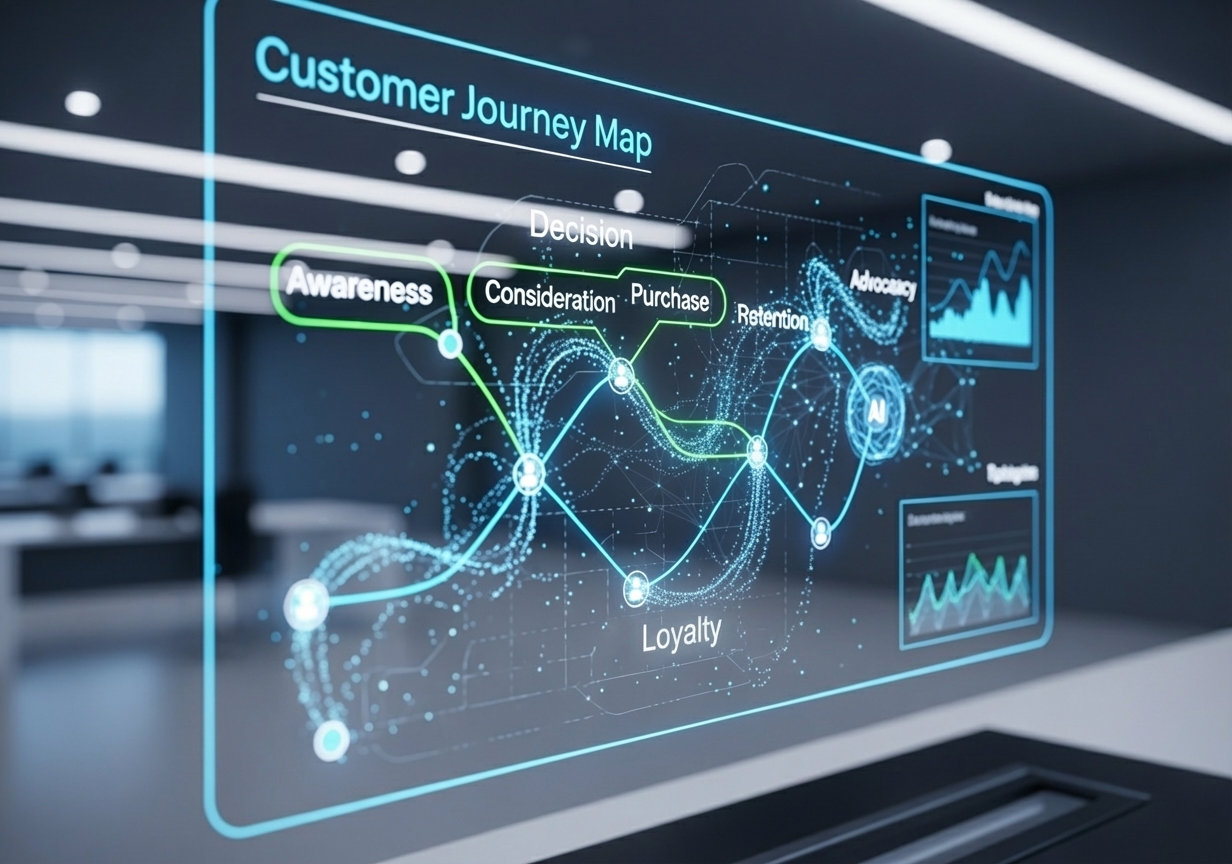
- Artificial Intelligence (AI): AI is no longer a futuristic concept; it’s rapidly becoming an integral part of our marketing toolkit. We’ll see continued growth in:
- Personalization at Scale: AI will enable hyper-personalized content and experiences for individual users across all touchpoints.
- Predictive Analytics: AI-powered tools will better anticipate customer needs and behaviors, allowing for proactive marketing.
- AI-Powered Content Generation: While human creativity remains essential, AI will assist in drafting content, generating ad copy, and even creating basic visuals, freeing up marketers for strategic tasks.
- Voice Search and Conversational Marketing: With the proliferation of smart speakers and AI assistants, voice search is becoming a primary way users interact with information.
- Smart Speakers and Chatbots: Optimizing content for conversational queries and developing sophisticated chatbots will be crucial for customer service and lead generation.
- Natural Language Processing: Understanding the nuances of spoken language will be key to effective voice search SEO.
- Video Marketing and Live Streaming: Video continues its dominance as the preferred content format.
- Short-Form Video (TikTok, Reels): The demand for bite-sized, engaging video content will continue to grow.
- Interactive Video: Features such as shoppable videos and personalized narratives will drive deeper engagement.
- Privacy-First Marketing: The “cookieless future” is upon us, necessitating a fundamental shift in how we collect and use data.
- First-Party Data Strategies: Businesses will increasingly rely on data collected directly from their customers through consent-based methods.
- Improved Transparency: Clearer communication about data use will be essential to building and maintaining consumer trust.
- Augmented Reality (AR) and Virtual Reality (VR): These immersive technologies are ready to transform brand experiences.
- Immersive Brand Experiences: AR/VR will offer new ways for consumers to interact with products and services, from virtual try-ons to interactive product demos.
The rapid evolution of these trends underscores the growing need for tailored digital marketing solutions that can effectively adapt to these changes. Generic strategies will fall short; success will belong to those who can customize their approach to leverage new technologies and meet evolving consumer expectations.
Conclusion: Creating a Sustainable Growth Engine
The journey to building a profitable growth engine with digital marketing is dynamic and continuous. We’ve explored how data-driven digital marketing, grounded in a deep understanding of the customer journey and an integrated omnichannel strategy, forms the bedrock of success. From the foundational elements of SEM and content marketing to the relationship-building power of email and influencer strategies, each component plays a vital role.
Leveraging data through meticulous KPI tracking, robust analytics tools, and continuous optimization allows us to make informed decisions, prove ROI, and iterate for improvement. Furthermore, navigating the ethical landscape and embracing emerging technologies are not just best practices but necessities for sustained relevance.
The ultimate goal is not just to run campaigns, but to build a system for predictable digital marketing growth. This requires embracing data, staying agile, and consistently delivering genuine value to customers at every touchpoint. By doing so, businesses can transform their digital marketing efforts into a powerful, self-sustaining engine for long-term profitability and success.
