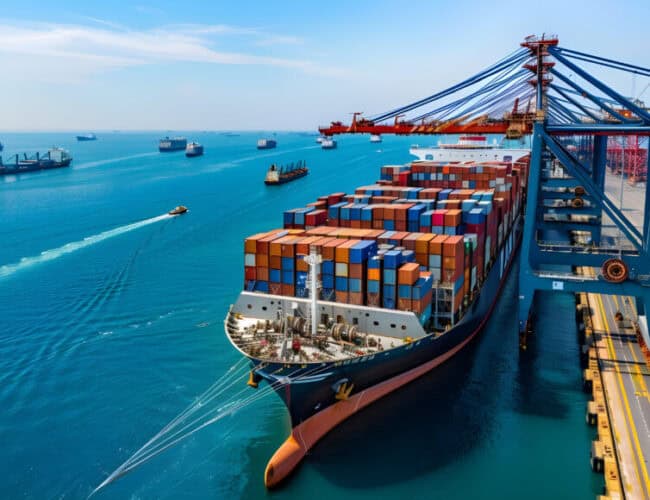
Maritime operations exist at the mercy of both nature and complex logistics, where everyday hazards carry disproportionate financial consequences. Without a deliberate plan, a single event can escalate from an incident to an existential threat. In this article, you’ll learn how to structure an insurance portfolio to ensure your business remains resilient when faced with the inevitable storms of the industry.
Why Maritime Businesses Need Insurance Strategies?
Maritime businesses face a unique convergence of high-value assets, environmental perils, complex liability, and inflationary pressures on repair costs. A single incident can threaten financial survival, making a strategic, layered insurance portfolio fundamental for continuity.
Effective risk management requires navigating specialized policies that align precisely with diverse operational hazards. Coverage must adapt to protect specific assets, from pleasure craft and personal watercraft to commercial vessels, each with distinct exposure profiles.
Partnering with an expert provider, such as Coast Insurance Solutions, is highly recommended because they can craft comprehensive coverage for a full range of vessels. Their tailored approach helps maritime operators build the resilient, strategic protection necessary to navigate an unpredictable industry with confidence.
Below are the different insurance strategies you can implement to protect your maritime business from operational hazards.
1. Ensure You Have Hull & Machinery Insurance
This core property insurance coverage for vessels protects against physical damage resulting from perils at sea. A coastal tug collides with a submerged object, suffering a breached hull and engine room flooding.
Hull and machinery insurance covers salvage, dry docking, and repairs. Insurance companies often use risk-based pricing, adjusting premiums based on vessel age, operational routes, and loss history, which can directly impact a business’s bottom line.
2. Check for Protection & Indemnity (P&I) Coverage
This insurance coverage provides extensive third-party liability coverage, which is crucial when the legal system’s abuse can amplify claims. During cargo loading, a shore-based crane operator is seriously injured due to an alleged failure of the vessel’s gear.
The resulting multi-million dollar claim for medical expenses and lost wages is defended and covered by P&I, protecting the shipowner from financial ruin. This differs fundamentally from standard auto insurance due to its global, collective nature.
3. Add Marine Cargo Liability & Insurance
Maritime businesses must protect against liability for loss or damage in their care. A refrigerated container fails mid-voyage, spoiling a high-value pharmaceutical shipment. The cargo owner’s insurer, after paying the claim, subrogates against the carrier. Marine cargo liability insurance covers the legal defense and damages.
4. Obtain Maritime Employers’ Liability & Crew Coverage
Addressing human capital risk is a key consumer protection aspect in maritime law. A senior engineer suffers severe burns, requiring specialized treatment and repatriation.
Maritime employers’ liability covers these costs and loss of earnings, fulfilling legal duties. This contrasts with other forms, such as Veterans Affairs Life Insurance or whole life policies, as it is a mandatory, commercial insurance coverage tied specifically to employment risk.
5. Prioritize Pollution & Environmental Impairment Liability
A major spill can trigger catastrophic liability. A bunker tank ruptures in port, spilling oil into a sensitive estuary. Beyond oil spill cleanup, regulators impose massive fines and mandate habitat restoration.
Excess pollution liability covers these costs, which can dwarf standard limits. Insurance departments at both state and federal government levels heavily regulate this insurance coverage, and instances of nondisclosure can be construed as insurance fraud.
6. Include Business Interruption & Loss of Hire Insurance
Physical damage is only part of the loss. After a grounding, a vessel under charter requires four months of repairs. The owner loses daily hire income but must still pay fixed costs.
Loss of hire insurance provides a daily indemnity, ensuring cash flow. This business-focused insurance product is as critical to operations as life insurance is to personal financial planning.
7. Consider War Risks & Pacific Piracy Coverage
Operations in high-risk zones require specialized protection. Armed groups board a product tanker, with a multimillion-dollar ransom demanded for the crew and vessel.
These policies cover ransom and crisis costs, which hull policies exclude. This niche coverage may include elements akin to traumatic injury protection for crew members in extreme scenarios.

How to Choose Insurance for Maritime Business
The insurance marketplace has a lot to offer. Selecting the right insurance begins with rigorous vetting of insurance companies. Look for carriers with proven strength and specialized maritime underwriting expertise, particularly those familiar with programs such as the National Guard and Ready Reserve, if your operations support national sealift capabilities.
Equally critical is partnering with insurance professionals who provide honest service, guiding you through the complex regulatory process and ensuring your policies are fully compliant and transparently explained to all insurance policyholders within your organization.
Beyond the policy itself, consider an agency that acts as a strategic partner. The best providers integrate risk mitigation support with core coverage, providing insights into human resources management to enhance crew safety and reduce claims. This holistic approach transforms your insurance from a simple cost into a tool for operational resilience.
The Bottom Line
Think of these insurance strategies as building a strong safety net. Each policy covers a different risk, but they all work together to protect your entire business. To keep this net strong, you should review your insurance plan regularly with a maritime expert. Don’t wait for an accident to find a gap in your coverage. With the right protection in place, you can run your business with greater confidence, regardless of the challenges the water brings.
