Key Takeaways
- An online Bachelor of Science in Respiratory Care (BSRC) offers crucial flexibility for working professionals.
- Graduates gain advanced knowledge in clinical, research, and leadership for career growth.
- The healthcare industry is increasingly requiring bachelor ‘s-level education for respiratory therapists.
- Higher degrees are linked to increased earning potential, management opportunities, and professional recognition.
- Accelerated, fully online options make balancing work, life, and studies achievable.
Table of Contents
- Introduction
- Why Choose an Online BSRC Program?
- Comprehensive Curriculum
- Career Advancement Opportunities
- Increased Earning Potential
- Meeting Industry Standards
- Flexible Learning Options
- Conclusion
Introduction
Respiratory therapists are healthcare professionals who deliver life-saving support to patients of all ages facing cardiopulmonary conditions. As the demand for highly skilled healthcare personnel grows, so does the need for advanced education in respiratory care. Pursuing an online respiratory therapy program allows practitioners to strengthen their clinical foundation and excel in emerging roles, all while maintaining their current work-life commitments.
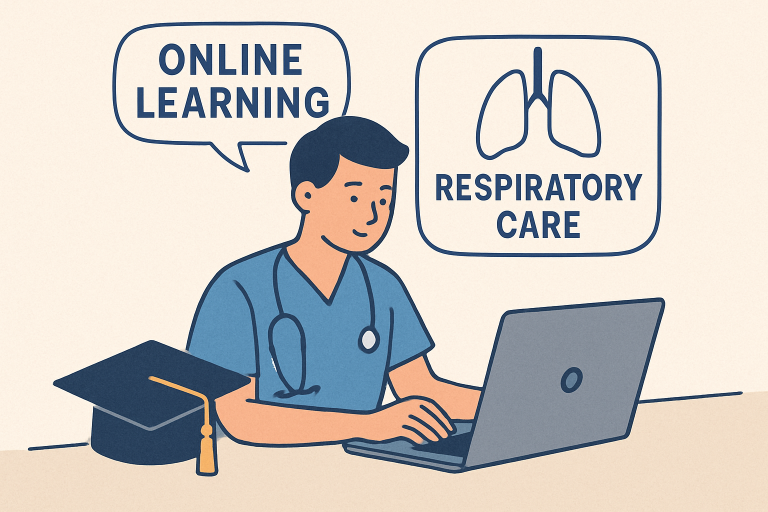
Online Bachelor of Science in Respiratory Care (BSRC) programs cater to busy professionals seeking to elevate their credentials. The digital learning format delivers comprehensive coursework on a flexible schedule, allowing you to continue working while earning your degree. With respiratory therapy at the forefront of patient care—especially during public health crises—an advanced degree enables you to contribute meaningfully to both clinical and leadership discussions within your organization.
These programs are designed not only to expand medical knowledge but also critical-thinking abilities and the skill set needed for evidence-based practice. With a supportive online community and dedicated faculty, students are guided through an immersive educational experience that directly impacts real-world outcomes.
A BSRC equips professionals to meet the evolving health demands, advocate for patients, and play an integral role in interprofessional teams. Increasingly, employers are recognizing the value of bachelor ‘s-level education, making advanced credentials more critical than ever.
Why Choose an Online BSRC Program?
Online BSRC programs offer unmatched convenience and accessibility. Universities such as Northern Kentucky University provide 100% online pathways designed to build on your existing respiratory therapy credentials. These programs offer adaptable schedules and, in many cases, accelerated formats so you can complete your degree in as little as one year. This flexibility is particularly beneficial for working respiratory therapists who wish to further their education without putting their professional responsibilities on hold.
Comprehensive Curriculum
The curriculum in an online BSRC program builds upon your foundational understanding of respiratory therapy. Coursework typically emphasizes advanced respiratory care concepts, leadership development, research methodologies, and specialized practices in neonatal, pediatric, and adult care. LSU Health Shreveport, for instance, highlights topics like clinical leadership and research, which position graduates for advancement both at the bedside and in non-clinical roles. Beyond clinical expertise, these programs frequently incorporate healthcare management, patient education, and healthcare informatics. This broader scope ensures that graduates are versatile and able to adapt to rapidly changing technologies, protocols, and patient needs.
Career Advancement Opportunities
Possessing a BSRC distinguishes you as a candidate for supervisory and management positions within healthcare settings. Employers are increasingly seeking leaders who have demonstrated commitment to their field through advanced education. Completion of a BSRC can lead to opportunities in clinical supervision, respiratory therapy education, research coordination, and healthcare administration, expanding beyond direct patient care roles.
As a bachelor’s-prepared respiratory therapist, it is possible to mentor new therapists, influence evidence-based policy, and represent your department in interdisciplinary initiatives—responsibilities often reserved for those with higher academic achievement. According to the U.S. News & World Report, careers in allied health management and education continue to trend upward, making advanced education a wise investment for stability and versatility.
Increased Earning Potential
Advanced degrees often correlate with higher earning opportunities. The Bureau of Labor Statistics reports that the median annual wage for respiratory therapists is $77,960, with higher earners in supervisory or specialized roles surpassing $100,000 annually. Completing a BSRC program can help position you for these roles, as employers frequently reserve the highest-paying positions for those who have demonstrated advanced clinical knowledge and leadership potential.
Meeting Industry Standards
The evolution of healthcare regulation and industry standards is changing entry requirements for respiratory therapists. A bachelor’s degree in respiratory care is expected to be the minimum requirement for new therapists within the next decade. By upgrading your credentials now, you protect your career’s longevity and ensure that you remain at the forefront of clinical practice.
Flexible Learning Options
Many institutions structure online BSRC programs as either part-time or accelerated options. For instance, Northern Kentucky University offers a program that can be completed in just 12 months, allowing rapid advancement without stepping away from your current role. Flexible and accessible, these programs accommodate the busy lifestyles and professional demands of healthcare workers, fostering a strong environment for adult learners.
Online platforms also enhance accessibility for those living in underserved or rural areas, enabling talented respiratory therapists to pursue their educational goals regardless of location. Programs incorporate multimedia lectures, interactive discussion forums, and around-the-clock access to resources, creating a student-centered approach to advanced healthcare education.
Conclusion
Pursuing an online Bachelor of Science in Respiratory Care provides a transformative opportunity for career advancement, higher earnings, and industry-wide recognition. With tailored curriculum, flexible learning formats, and a growing demand for practitioners, now is the ideal time to seek out and enroll in an online respiratory care program. This education not only meets regulatory trends but also prepares graduates to be leaders in a dynamic, patient-centered healthcare system.
