Key Takeaways
- Understand the traditional placement and significance of lapel pins.
- Explore various types of lapel pins suitable for different occasions.
- Learn styling tips to incorporate lapel pins into your wardrobe effectively.
- Avoid common mistakes to ensure your lapel pin enhances your outfit.
Table of Contents
- Introduction
- Traditional Placement and Significance
- Types of Lapel Pins
- Styling Tips for Different Occasions
- Common Mistakes to Avoid
- Conclusion
Lapel pins offer a unique opportunity to express individual style and tell a personal story through a small yet impactful accessory. Whether heading to a black-tie event or dressing for a smart-casual day, knowing how to integrate lapel pins can elevate your appearance. For a detailed tutorial on proper position and tips, see this helpful lapel pin placement guide.
Traditionally regarded as symbols of achievement, affiliation, or simply a dash of personality, lapel pins have evolved into versatile additions suitable for many occasions. Understanding their correct usage adds polish and confidence to your wardrobe choices.
Today’s range of lapel pins caters to nearly every style, from refined florals for weddings to collectible enamel pins for daily outfits. The key is knowing which type of pin suits the moment and how to wear it seamlessly. Take the time to learn subtle placement details and style choices, and your pins will always look intentional rather than like an afterthought.
Choosing and styling a lapel pin also means avoiding some common missteps. Factors like over-accessorizing or picking pins that clash with your look. Mastering these details ensures your lapel pin enhances your ensemble rather than detracts from it.
For additional inspiration and the latest trends in men’s accessories, check out GQ’s official guide on wearing lapel pins, which provides style examples and photographic references.
Introduction
Lapel pins are small yet impactful accessories that can elevate your attire, whether for formal events or casual outings. Understanding how to wear them properly ensures they complement your style without overwhelming it.
Traditional Placement and Significance
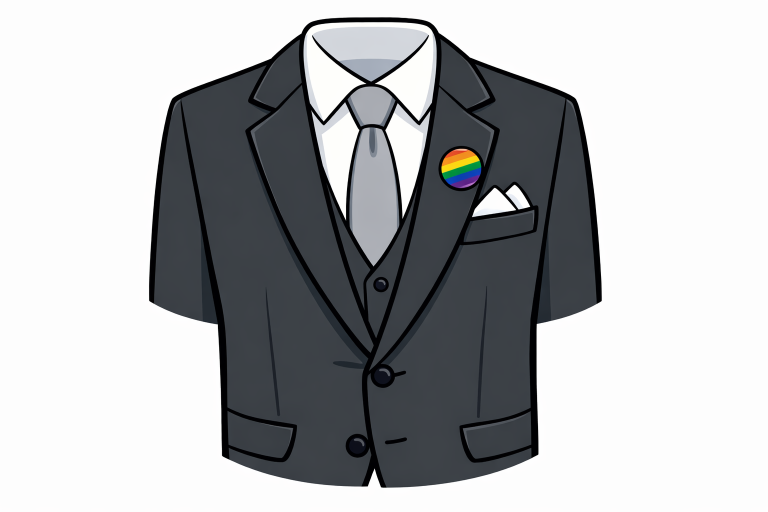
Traditionally, lapel pins are worn on the left lapel of a jacket, positioned near the heart. This placement symbolizes personal significance and is a nod to historical practices where pins denoted affiliation or achievement. For jackets with a buttonhole, the pin is inserted through it; otherwise, it’s placed where the buttonhole would typically be.
Wearing the pin close to your heart is more than mere tradition. It suggests loyalty and pride in the event, organization, or sentiment the pin represents. Military personnel, club members, and honorees have used them for decades as a subtle badge of honor. Understanding this background can help you wear your pin with a sense of meaning.
Types of Lapel Pins
Lapel pins come in various styles, each suitable for different occasions:
- Floral Pins: Often made from fabric or metal, these add a touch of elegance and are ideal for weddings or formal events. Their vibrant colors and lifelike designs often substitute for a boutonnière, providing a longer-lasting alternative.
- Enamel Pins: Featuring colorful designs, enamel pins are perfect for showcasing personal interests or affiliations. Collectors and hobbyists enjoy expressing their individuality with these affordable, creative options.
- Badge Pins: Typically used to represent organizations or causes, these are common in professional settings. Examples include company logos, awareness ribbons, or national flags, giving you a discreet way to make a statement.
- Stick Pins: Featuring a long pin with a decorative top, stick pins offer a classic look suitable for formal attire. Their simple elegance dates to the Victorian era and remains a favorite for traditionalists.
Styling Tips for Different Occasions
Incorporating lapel pins into your wardrobe requires consideration of the event and your outfit:
- Formal Events: Opt for subtle designs like a classic floral pin or a simple metal badge to complement your suit without drawing too much attention. The goal is to enhance your look rather than overpower it. Pastel or metallic tones offer refinement for black tie and wedding attire.
- Business Settings: Choose pins that reflect your professional affiliations or achievements, ensuring they are understated and match your attire. Steer clear of novelty pins in boardrooms or important meetings to maintain a polished image.
- Casual Outings: Feel free to experiment with colorful enamel pins that showcase your personality or interests, adding a fun element to your look. Pair multiple pins with a denim jacket or casual blazer for a playful, yet coordinated appearance.
Remember that lapel pins can also complement accessories like ties, tie bars, and pocket squares. Choose a color palette and scale that coordinate rather than clash, creating harmony across your whole ensemble. For a broader overview of accessory coordination, see the timeless advice in the GQ style guide.
Common Mistakes to Avoid
To ensure your lapel pin enhances your outfit, avoid these common pitfalls:
- Incorrect Placement: Always place the pin on the left lapel to maintain traditional etiquette and avoid looking haphazard.
- Overcrowding: Limit yourself to one pin per lapel to keep your look clean and uncluttered. Too many pins, especially on formalwear, can appear distracting or childish.
- Size Mismatch: Ensure the pin’s size is proportionate to your lapel; overly large pins can overwhelm your outfit, while tiny pins may go unnoticed on broad lapels.
- Clashing Styles: Match the pin’s style and color with your other accessories to create a cohesive look. For instance, a floral pin and a bold, patterned pocket square might compete for attention rather than complement one another.
Another mistake is neglecting the material of your pin in relation to the season and fabric of your jacket. Heavier metal pins are better suited to winter wool blazers, while light fabric pins pair nicely with linen or cotton jackets in warmer months.
Conclusion
Lapel pins are versatile accessories that, when worn correctly, add a distinctive touch to your attire. By understanding their placement, the different types available, and the principles of harmonizing style and scale, you can confidently incorporate them into various outfits and occasions. Whether you are attending a formal event, representing a cause, or simply expressing creativity, the right lapel pin remains a subtle but stylish statement.
