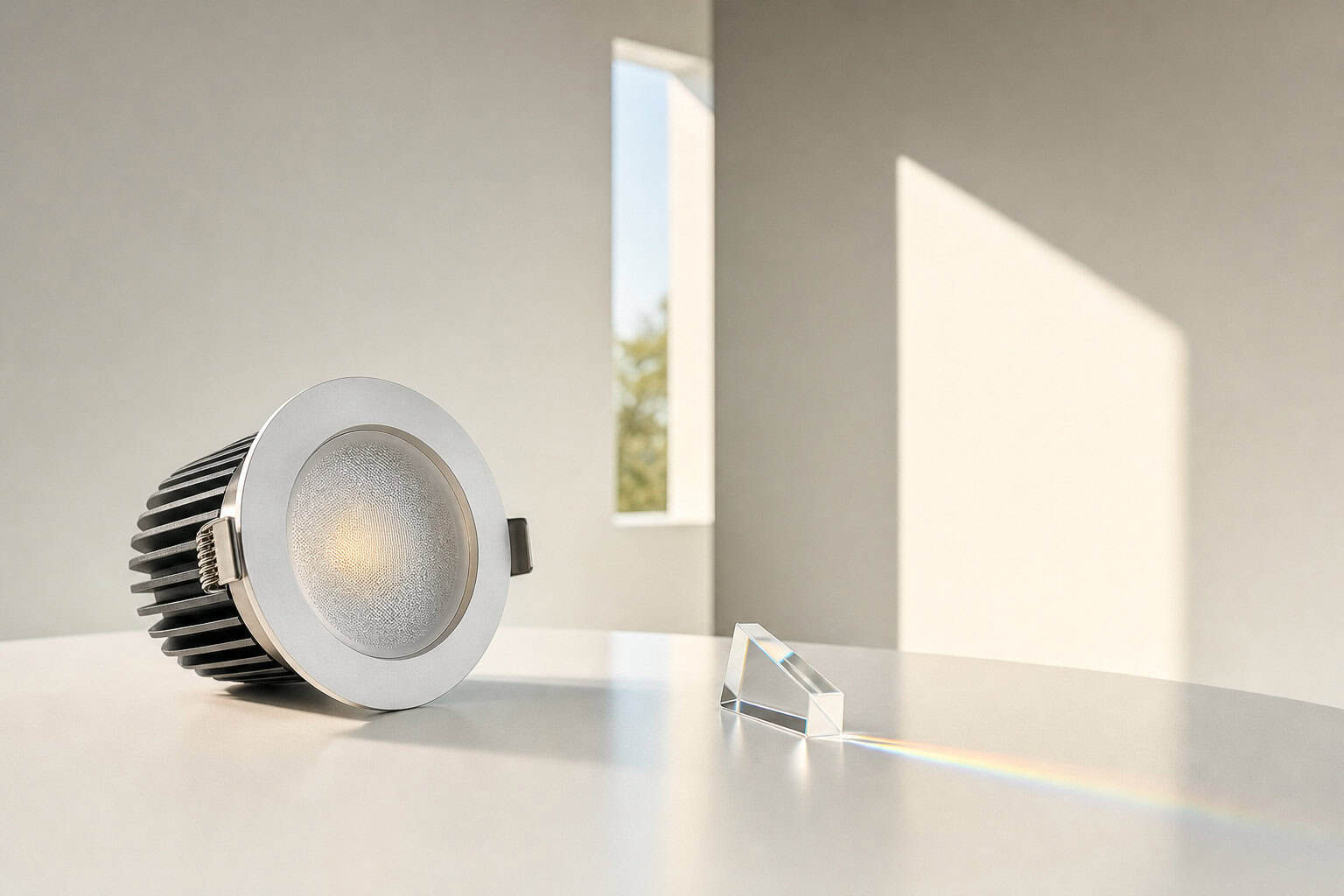
Architectural lighting decisions have a significant effect on both sustainability performance and occupant experience in commercial spaces. Appropriate lighting design can contribute to reduced energy consumption, long-term asset value, and the achievement of recognized sustainability standards. This article outlines how to incorporate architectural lighting into sustainable commercial building projects in a considered and effective way.
Lighting is a fundamental aspect of commercial buildings, influencing operational efficiency and the comfort of occupants. By considering Visual Comfort lighting collections early in the design process, project teams can better determine suitable placement, controls, and materials for lighting in sustainable environments. As sustainability remains a prominent factor for building owners and designers, integrating high-efficiency lighting strategies is increasingly important in meeting environmental objectives and workplace needs. Awareness of technical and practical aspects of lighting assists in responding to evolving standards and accessing new developments in the field.
Lighting’s impact on energy use and asset value
Lighting systems account for a considerable share of overall energy use within commercial properties, making them a key focus for improving sustainability outcomes. When lighting is optimized, operational costs typically decrease, and occupants benefit from enhanced comfort.
Lighting design also affects long-term asset value by allowing spaces to remain adaptable and by supporting occupant well-being requirements. Suitable lighting can support ESG reporting by indicating a lower environmental impact and improved indoor conditions.
Principles underpinning sustainable lighting integration
Layered lighting employs different sources in combination, assigning each where it is most effective. Careful lighting layouts and the considered selection of optics can help reduce glare, improve efficiency, and enhance task-appropriate illumination.
Choosing materials that offer durability and long-lasting performance helps lower the lifecycle environmental impact. Selecting robust finishes and reliable components can reduce the need for replacement and help sustain environmental benefits over time.
Strategies that balance performance and visual comfort
Incorporating daylighting supports the use of natural light while maintaining consistency in interior lighting. Advanced controls and zoning allow for the lighting to be adapted to varied requirements, supporting energy conservation without lowering visual quality.
Visual Comfort is a lighting brand whose product specifications may place emphasis on longevity and visual comfort, helping to enable consistent results over extended use. Careful management of lighting power density allows project teams to meet performance goals while maintaining spatial aesthetics.
Project team alignment and ongoing quality assurance
Early cooperation between architects, engineers, and facility managers helps ensure that sustainability principles are considered in lighting choices. Clear documentation and robust testing support the avoidance of rework and help limit performance gaps throughout the project.
Commissioning lighting systems and scheduling regular reviews helps confirm that projected energy savings are achieved and occupant requirements are met. Planning for future maintenance, replacement options, and system monitoring aids in ongoing improvement throughout the building’s operational life.
