Table of Contents
- Introduction
- Understanding the Mind-Body Connection
- The Role of Nutrition in Mental Well-being
- Physical Activity as a Therapeutic Tool
- Incorporating Mindfulness and Meditation
- Creative Therapies: Art and Music
- The Importance of Social Support Networks
- Spirituality and Its Impact on Recovery
- Integrative Psychiatry: A Comprehensive Approach
Women navigating the complex landscape of mental health recovery benefit profoundly from holistic approaches that integrate mind, body, and spirit. These methods provide a comprehensive pathway to healing and sustainable wellness. By drawing on strategies that nurture emotional resilience and physical health simultaneously, women can rebuild their foundation for well-being. To discover services and programs that embrace these methods, find out more now.
Holistic care is not just about symptom management. It’s about empowering women to live fuller, more meaningful lives while fostering recovery that addresses root causes. This whole-person health strategy encompasses everything from nutrition and movement to creative activities and community connection. Approaching recovery in this manner allows women to access untapped strengths and find lasting relief from mental health struggles.
Addressing all aspects of health—mental, physical, emotional, social, and spiritual—can transform the recovery experience. Holistic models enable women to heal in ways that are uniquely tailored to their lives, backgrounds, and cultures, promoting a higher quality of life moving forward.
Understanding the Mind-Body Connection
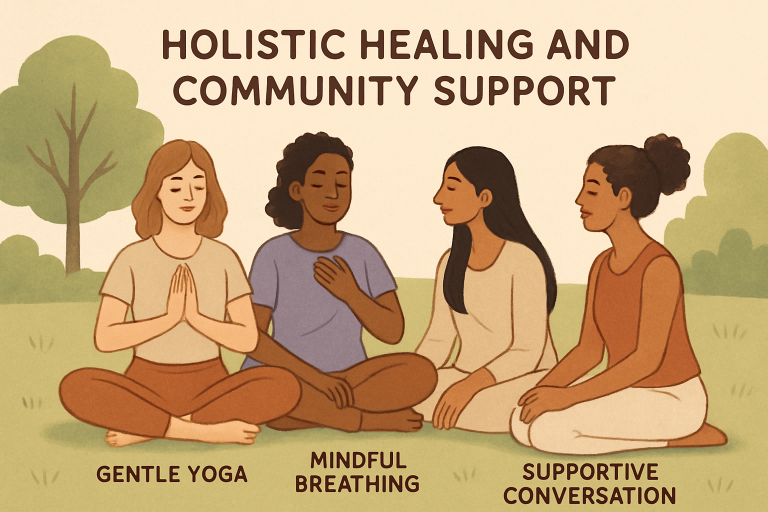
The intricate connection between mind and body is foundational in holistic recovery. Research shows that psychological stress can exacerbate physical symptoms and vice versa, leading to a vicious cycle if left unaddressed. Women, in particular, are often faced with unique stressors—from hormonal changes to societal expectations—that deeply affect both physical and mental health. Recognizing how emotions and thoughts influence bodily processes is crucial for long-term well-being. Integrating practices that cultivate both emotional and physical well-being, such as yoga or mindful movement, equips women to break this cycle and foster resilience.
The Role of Nutrition in Mental Well-being
Nutrition is a powerful pillar of mental health. Diets rich in omega-3 fatty acids, antioxidants, and a balance of vitamins and minerals have been shown to elevate mood, stabilize energy, and sharpen cognitive abilities. Common sources, such as fatty fish, walnuts, leafy greens, and berries, deliver key nutrients that support optimal brain function. Women experiencing stress or emotional challenges often benefit from nutritional guidance, learning to make food choices that fuel both their bodies and minds. Adequate hydration and mindful eating practices serve as additional tools, reinforcing positive brain chemistry and emotional stability. For an evidence-based overview, see the NIH article on diet and mental health. Consistently prioritizing nutrient-dense meals can help reduce anxiety and depressive symptoms over time. Combining a healthy diet with regular physical activity amplifies these mental health benefits, promoting overall well-being.
Physical Activity as a Therapeutic Tool
Exercise offers much more than physical fitness—it is a cornerstone of emotional recovery. Activities like aerobic training, strength exercises, yoga, and tai chi are associated with notable reductions in the symptoms of depression, anxiety, and trauma. Movement triggers the release of endorphins, which act as natural mood stabilizers, reduce inflammation, and improve sleep. Women of all ages and backgrounds find power in building exercise routines that are enjoyable and sustainable, transforming movement from a chore into an act of self-care. Social forms of movement, such as walking groups or dance classes, provide additional psychological benefits by reinforcing a sense of connection and belonging.
Incorporating Mindfulness and Meditation
Mindfulness and meditation anchor women in the present moment, reducing anxiety and buffering the effects of daily stress. These practices—ranging from guided meditation to breathwork—help develop the skills necessary to observe emotions and thoughts without becoming overwhelmed by them. Clinical studies show that just a few minutes of daily mindfulness practice can improve sleep quality, promote emotional stability, and enhance coping strategies during recovery. Mindfulness applications, group sessions, and online resources have made these tools more accessible, allowing women to incorporate them into their day-to-day lives with ease.
Creative Therapies: Art and Music
Creativity serves as a gateway for self-exploration and healing. Art and music therapy are safe avenues for expressing deeply held emotions that may not be easily put into words. For many women, tapping into imagination or musical rhythm offers a profound sense of relief and empowerment. Engaging with color, sound, or storytelling, participants in creative therapies frequently report boosted mood, improved self-awareness, and reduced traumatic symptoms. Programs that integrate these expressive outlets often see accelerated recovery outcomes and greater engagement among clients, particularly for those who struggle with traditional talk therapies.
The Importance of Social Support Networks
Recovery thrives in community. Supportive social networks, whether through friends, family, support groups, or faith communities, offer a crucial buffer against isolation and loneliness. Women who actively cultivate trustworthy connections tend to experience improved emotional health outcomes and increased resilience during challenging times. Structured support organizations, including faith-based youth initiatives, are shown to enhance coping resources and promote healthy behaviors. Trustworthy networks also offer practical support such as childcare, transportation, and peer mentorship, which are often critical for sustained recovery.
Spirituality and Its Impact on Recovery
Spirituality, for many women, represents a lifeline during periods of struggle. Whether expressed through formal religion or personal belief systems, spiritual practices foster hope, meaning, and purpose. Evidence suggests that spiritual well-being can act as a protective factor, diminishing symptoms of depression and anxiety. Activities such as prayer, meditation, nature walks, or gratitude journaling enable women to reconnect with their values and find inner peace. Especially in marginalized communities, spirituality-based interventions offer an additional layer of culturally competent care, addressing both existential and psychological needs.
Integrative Psychiatry: A Comprehensive Approach
Integrative psychiatry brings together the best of traditional mental health treatments and holistic care. This model enables practitioners to design individualized care plans that blend psychotherapy, medication (when necessary), nutritional counseling, alternative therapies, and lifestyle interventions. Such an approach respects each woman’s unique life circumstances and preferences, removing barriers to full recovery. By honoring both evidence-based medicine and holistic wisdom, integrative psychiatry supports long-term healing and empowers women to participate actively in every stage of recovery.
Adopting holistic approaches in mental health care allows women to heal more deeply and sustainably. As comprehensive recovery becomes the standard, more women can step confidently into improved well-being and a renewed sense of self.
